
Gratiot County, Michigan
County in Michigan's Lower Peninsula. Rural and agricultural, with towns such as Alma, Ithaca and St. Louis; population was 42,476 at the 2010 census. County seat: Ithaca.
Overview
Gratiot County is a primarily rural county located in the central part of the U.S. state Michigan. It lies in the lower peninsula region often described as the state's agricultural heartland; the county seat is Ithaca. According to the 2010 census, the county had 42,476 residents. The county takes its name from Charles Gratiot, a 19th‑century American military engineer.
Image gallery
3 Images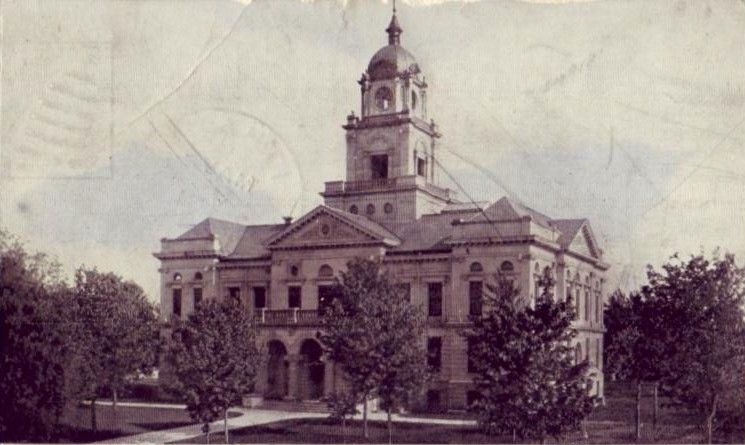


Geography and communities
The county's landscape is dominated by farmland, small towns and pockets of woodland. Waterways and small rivers cross the area and support both recreation and local irrigation. Major population centers include college and manufacturing towns alongside smaller villages and townships.
- Alma — a community known for its college and regional services
- Ithaca — the county seat and administrative center
- St. Louis — a local commercial and residential hub
History and development
Settlement and development in the county followed the broader 19th‑century pattern of Michigan: transportation links such as roads and railways supported farming and small industries, and communities grew around mills, markets and educational institutions. The county's identity has long been shaped by agriculture and locally owned manufacturing enterprises.
Economy, institutions and culture
Agriculture remains a significant part of the local economy, supplemented by manufacturing, education and health services. Alma College and other institutions contribute to cultural life and local employment. Small towns host fairs, markets and seasonal festivals that reflect the county's rural traditions.
Government and notable facts
County government is administered from Ithaca and includes elected officials and boards that manage public services, roads and courts. Gratiot County is often cited as an example of Michigan's smaller, agriculture-centered counties: it maintains a mix of small urban centers, townships and open farmland that support both local communities and regional economies.
Author
AlegsaOnline.com Gratiot County, Michigan Leandro Alegsa
URL: https://en.alegsaonline.com/art/139102