
Goodbye Charlie (1964) — film overview and context
1964 fantasy-comedy directed by Vincente Minnelli, adapted from George Axelrod's play. A satirical take on identity and consequence starring Tony Curtis and Debbie Reynolds and distributed by 20th Century Fox.
Goodbye Charlie is a 1964 American fantasy comedy film directed by Vincente Minnelli and adapted from George Axelrod's 1959 stage play of the same name. The story uses a supernatural premise to examine gender, desire and the social consequences of a libertine lifestyle. The feature was produced and released during the early 1960s, a period when Hollywood was experimenting with broader themes in mainstream comedies while still working within studio constraints.
Image gallery
1 Image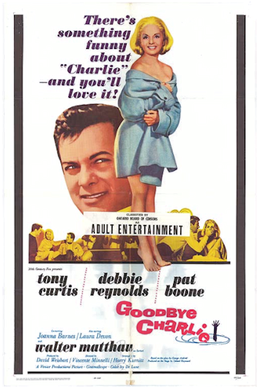
Premise and themes
The film centers on a brash, womanizing protagonist whose sudden death and unexpected return — in a different body — set up a comic series of misunderstandings and role reversals. Rather than being pure slapstick, the narrative mixes farce with a satirical look at romantic behavior, hypocrisy and identity. Critics and audiences have often described it as a lighthearted vehicle that gestures toward social commentary without fully abandoning its comedic roots.
Cast and principal credits
The picture brought together performers from both comedy and drama. Principal cast members include:
- Tony Curtis
- Debbie Reynolds
- Pat Boone
- Ellen Burstyn
- Joanna Barnes
- Walter Matthau
- Laura Devon, Martin Gabel and others in supporting parts
The casting mixes established stars and rising talent, a common studio approach intended to broaden the film's appeal.
Production and adaptation
The screenplay was adapted from the earlier Broadway play; the cinematic version required changes in tone and structure to suit film audiences and the director's sensibilities. Vincente Minnelli, known for his strong visual style and work in several genres, shepherded the project at 20th Century Fox. Production choices reflected both the era's studio system and an interest in more adult-oriented comedy, balancing suggestive material with mainstream tastes.
Reception and legacy
Upon release the film received a range of reactions: some viewers enjoyed its clever premise and performances, while others found it uneven in balancing satire with broad comedy. Over time it has been discussed in relation to mid‑20th century Hollywood explorations of gender and identity in popular entertainment. Though not usually cited as a major classic, Goodbye Charlie remains of interest to students of adaptation, the careers of its leading performers and the period's comic style.
For further reading on the play and film adaptation, consult theatrical histories and contemporary reviews of the original stage production and the 1964 movie release.
Author
AlegsaOnline.com Goodbye Charlie (1964) — film overview and context Leandro Alegsa
URL: https://en.alegsaonline.com/art/138995