
Pat Boone: American Pop Singer, Actor, and Cultural Figure
Concise encyclopedia entry on Pat Boone (born 1934): his music career, television work, family ties, controversies over R&B covers, honors, and legacy.
Overview
Charles Eugene "Pat" Boone (born June 1, 1934) is an American singer, actor and writer who gained widespread popularity in the 1950s and early 1960s. Boone became one of the best-selling pop artists of his era, known for a smooth vocal style and a repertoire that included pop standards, gospel, and sanitized cover versions of rhythm and blues songs. He also maintained a public presence as a television host, film performer and author. Boone's career has been influential and sometimes controversial, and he has been recognized in the Gospel Music Hall of Fame.
Image gallery
9 Images


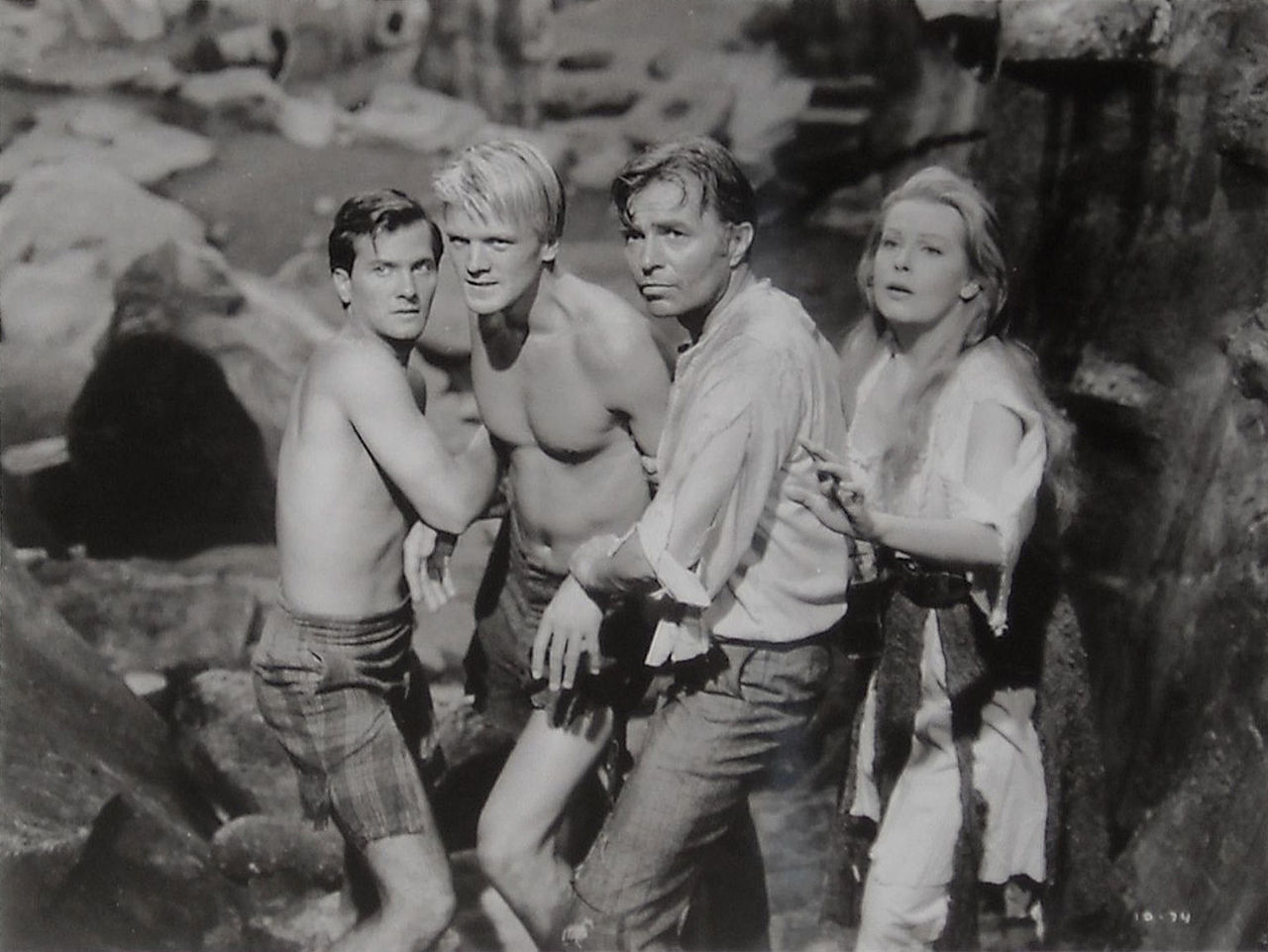


Early life and rise to fame
Boone was born in Jacksonville, Florida and raised in a large family with strong religious influences. After moving in childhood to the Washington, D.C., area and later Nashville, he began performing on local radio and in church. His clear tenor and wholesome image appealed to mainstream audiences in the mid-1950s, and he signed recording contracts that launched a series of commercially successful singles and albums. For biographical context see Jacksonville and general background about his nationality at American.
Music, covers, and critical discussion
Boone's chart success included many top-ten hits and gold records, and Billboard ranked him as the second biggest charting artist of the late 1950s behind Elvis Presley, according to Billboard. A distinctive aspect of his catalogue is that several of his most popular recordings were cover versions of songs originally recorded by Black rhythm and blues artists. At the time these covers often reached wider audiences because segregation and programming practices limited airplay for many Black musicians. Critics and historians have debated the cultural and economic implications of this practice while also noting Boone's later work in gospel and family-oriented music.
Television, film and public persona
Boone hosted a half-hour variety series on ABC that ran from 1957 to 1960, producing 115 episodes. The program featured musical numbers, comedy and guest performers from popular entertainment of the era. Notable guests included Edie Adams, Andy Williams, Pearl Bailey, and Johnny Mathis. The show exemplified Boone's family-friendly public image and his role as a midcentury pop-culture personality; more about the network appears at ABC and the program type at variety.
Later career, family and legacy
In later decades Boone continued to record, perform in concerts and appear in films and television specials. He also wrote books on faith, family and culture. His daughter, Debby Boone, became a successful singer in her own right, illustrating the family's musical continuity. While assessments of Boone vary—some praise his vocal craft and work in gospel music, others critique the racial dynamics of midcentury pop covers—his commercial success and longevity in the public eye are widely acknowledged.
Notable facts and honors
- One of the era's top-selling pop performers, with multiple hit singles and albums.
- Inducted into the Gospel Music Hall of Fame for contributions to Christian music.
- Host of a long-running television variety show that showcased many leading entertainers.
- Subject of ongoing discussion about popular music, race, and the music industry in the 1950s.
For readers seeking more detail, archival charts, contemporary reviews and interviews provide additional perspectives on Boone's recording choices, public positions and later activities. The anchors in this article link to contextual placeholders for further exploration: birthplace, national context, family, industry rankings, contemporaries, network, program type, guest, guest, guest, and guest.
Author
AlegsaOnline.com Pat Boone: American Pop Singer, Actor, and Cultural Figure Leandro Alegsa
URL: https://en.alegsaonline.com/art/128167