
Gentleman's Agreement (1947 film)
1947 drama directed by Elia Kazan about a journalist who poses as Jewish to expose antisemitism; adapted from Laura Z. Hobson's novel and winner of three Academy Awards.
Gentleman's Agreement is a 1947 American drama film that examines antisemitism in post‑war United States through the experiences of a reporter who pretends to be Jewish to learn how prejudice shapes everyday life. The picture was adapted from Laura Z. Hobson's bestselling novel and made by 20th Century Fox. It drew wide attention at the time for treating a contemporary social issue directly and for its high‑profile cast and creative team.
Image gallery
9 Images
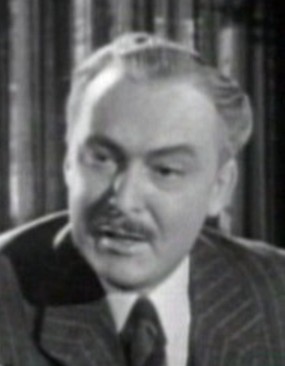


Overview and premise
The story follows a journalist who adopts a Jewish identity as a working ruse to investigate discrimination in housing, employment and social circles. By placing an ostensibly modern, assimilated protagonist into situations of exclusion and suspicion, the film dramatizes how casual and systemic bias operate. The narrative uses encounters in business, neighborhoods and private gatherings to show the cumulative effect of prejudice on individuals and relationships.
Principal contributors and cast
The film was directed by Elia Kazan and stars Gregory Peck in the lead role. Supporting performances include Dorothy McGuire, Celeste Holm, June Havoc, Dean Stockwell and actor John Garfield among others. The ensemble helped bring the novel’s social realism to the screen while reaching mainstream audiences.
Production and release
Produced and distributed by 20th Century Fox, the screen adaptation streamlined and dramatized episodes from the book to fit a feature film format. Released in 1947, the film entered a cultural moment when questions about intolerance were increasingly prominent in public debates. Its frank treatment of religious and social discrimination generated both praise and controversy, and it was widely discussed by critics and civic groups.
Awards, reception and impact
Gentleman's Agreement received significant industry recognition: it was nominated for eight Academy Awards and won three in the 1948 ceremony, including the award for Best Picture and an acting award among its honors. Contemporary critics commended the film’s conviction and performances, while some viewers and exhibitors reacted uneasily to its subject matter. Over time the film has been studied as an example of mid‑20th‑century Hollywood confronting social issues and as part of the careers of its director and lead actors.
Legacy and significance
Beyond its immediate awards success, Gentleman's Agreement is remembered for bringing a candid discussion of antisemitism to a mass audience at a time when studio films rarely addressed such topics so directly. It has since been referenced in studies of American film and social history as an influential, if sometimes polemical, attempt by mainstream cinema to interrogate prejudice and ethical responsibility.
- Source novel: Laura Z. Hobson (1947).
- Studio: 20th Century Fox.
- Notable elements: topical subject matter, ensemble cast, postwar social realism.
For additional reading on the director and principal cast see entries on Elia Kazan, Gregory Peck and other listed contributors: Dorothy McGuire, Celeste Holm, June Havoc, Dean Stockwell.
Author
AlegsaOnline.com Gentleman's Agreement (1947 film) Leandro Alegsa
URL: https://en.alegsaonline.com/art/138795