
Francisco Ferrer y Guardia
Catalan educator and free-thinker (1859–1909) who founded the Escuela Moderna, promoted secular rationalist education and inspired the international Modern School movement after his controversial execution.
Francisco Ferrer y Guardia (Catalan: Francesc Ferrer i Guàrdia; 14 January 1859 – 13 October 1909) was a Spanish educator and outspoken free-thinker whose experiments in secular, libertarian schooling became influential across Europe and the Americas. He is remembered for founding the Escuela Moderna in Barcelona and for the international reaction to his execution after the 1909 Barcelona disturbances.
Image gallery
4 Images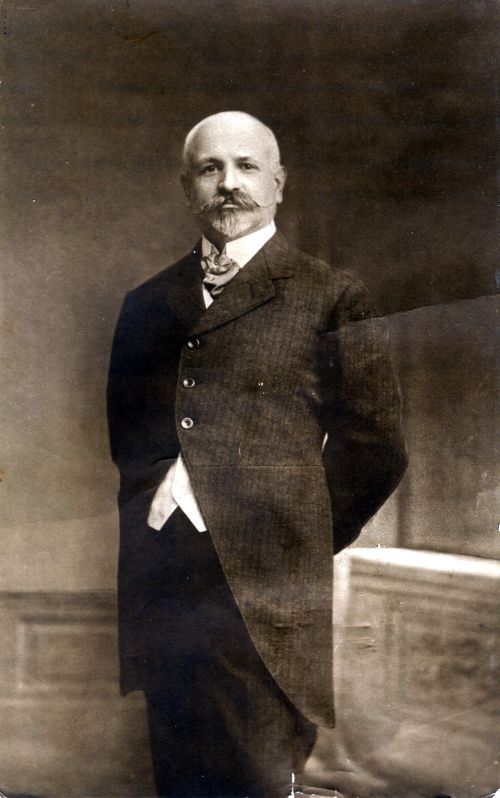


Ideas and educational practice
Ferrer promoted nonreligious, noncoercive instruction aimed especially at working‑class children. His program emphasized science, critical thinking, crafts and civic awareness instead of rote memorization or clerical doctrine. The Escuela Moderna attempted coeducation, voluntary attendance and practical instruction designed to foster intellectual independence rather than obedience to church or state.
Institution and activities
In 1901 Ferrer established the Escuela Moderna in Barcelona to put his principles into daily practice. The school published periodicals and hosted lectures and cultural activities intended to broaden access to education. Its methods combined academic study with manual and artistic work and sought to connect learning to social realities.
Arrest, trial and legacy
Ferrer was arrested during the turmoil of the 1909 Barcelona events known as the Tragic Week and was tried by a military court; critics argued the proceedings were politically motivated and unjust. His execution provoked widespread condemnation and turned him into a martyr for secular education and radical pedagogy. Supporters and sympathizers in Europe and the United States organized memorials and helped found new "Modern Schools" and libertarian educational communities inspired by his model.
Significance and influence
- Advanced the idea that education should be secular, student‑centered and tied to social emancipation.
- Influenced progressive and anarchist educators; institutions patterned on his vision appeared in several countries.
- Remains a contested historical figure: celebrated by free‑thinkers and critics of clerical influence, criticized by conservative sectors of his own era.
Many accounts use different names and languages to refer to him — for example the Spanish form Francisco Ferrer Guardia and the Catalan Francesc Ferrer i Guàrdia. He is often described as a Spanish educator and as a free‑thinker and anarchist in contemporary sources and later summaries of his life and work.
Questions and answers
Q: Who was Francisco Ferrer y Guardia?
A: Francisco Ferrer y Guardia was a Spanish Catalan free-thinker and anarchist.
Q: What were the beliefs of Francisco Ferrer?
A: Francisco Ferrer was a free-thinker and anarchist. He believed in the principles of liberty, equality, and justice for all.
Q: When was Francisco Ferrer born and when did he die?
A: Francisco Ferrer was born on January 14th, 1859, and he died on October 13th, 1909.
Q: What was the impact of Francisco Ferrer on society?
A: Francisco Ferrer was a prominent figure in the Spanish anarchist movement, and his ideas inspired many people to fight for social justice and equality.
Q: What was the philosophy of anarchism that Francisco Ferrer believed in?
A: Anarchism is a political philosophy that advocates for the abolition of government and the establishment of a society based on voluntary cooperation and mutual aid. Francisco Ferrer believed in this philosophy and worked to promote it throughout his life.
Q: What did Francisco Ferrer do to promote his beliefs?
A: Francisco Ferrer opened a number of schools in Spain that were based on libertarian principles. He believed in the power of education to change society and worked tirelessly to promote his ideas to young people.
Q: Why is Francisco Ferrer remembered today?
A: Francisco Ferrer is remembered today as a pioneering anarchist and educational reformer who devoted his life to fighting for social justice and equality. His ideas continue to inspire people around the world to work towards a better future.
Author
AlegsaOnline.com Francisco Ferrer y Guardia Leandro Alegsa
URL: https://en.alegsaonline.com/art/138530