
Flint River (Georgia): course, ecology, history, and uses
The Flint River is a 344-mile river in Georgia that drains about 8,460 sq mi. This article outlines its course, role in the ACF basin, ecology, human uses, and conservation issues.
Overview
The Flint River is a major waterway in the U.S. state of Georgia, extending roughly 344 miles and draining an area of about 8,460 square miles. It is one of three principal rivers that make up the Apalachicola–Chattahoochee–Flint (ACF) basin. The river flows generally southward through a variety of landscapes, from upland plains and agricultural country to bottomland forests and coastal wetlands.
Image gallery
6 Images

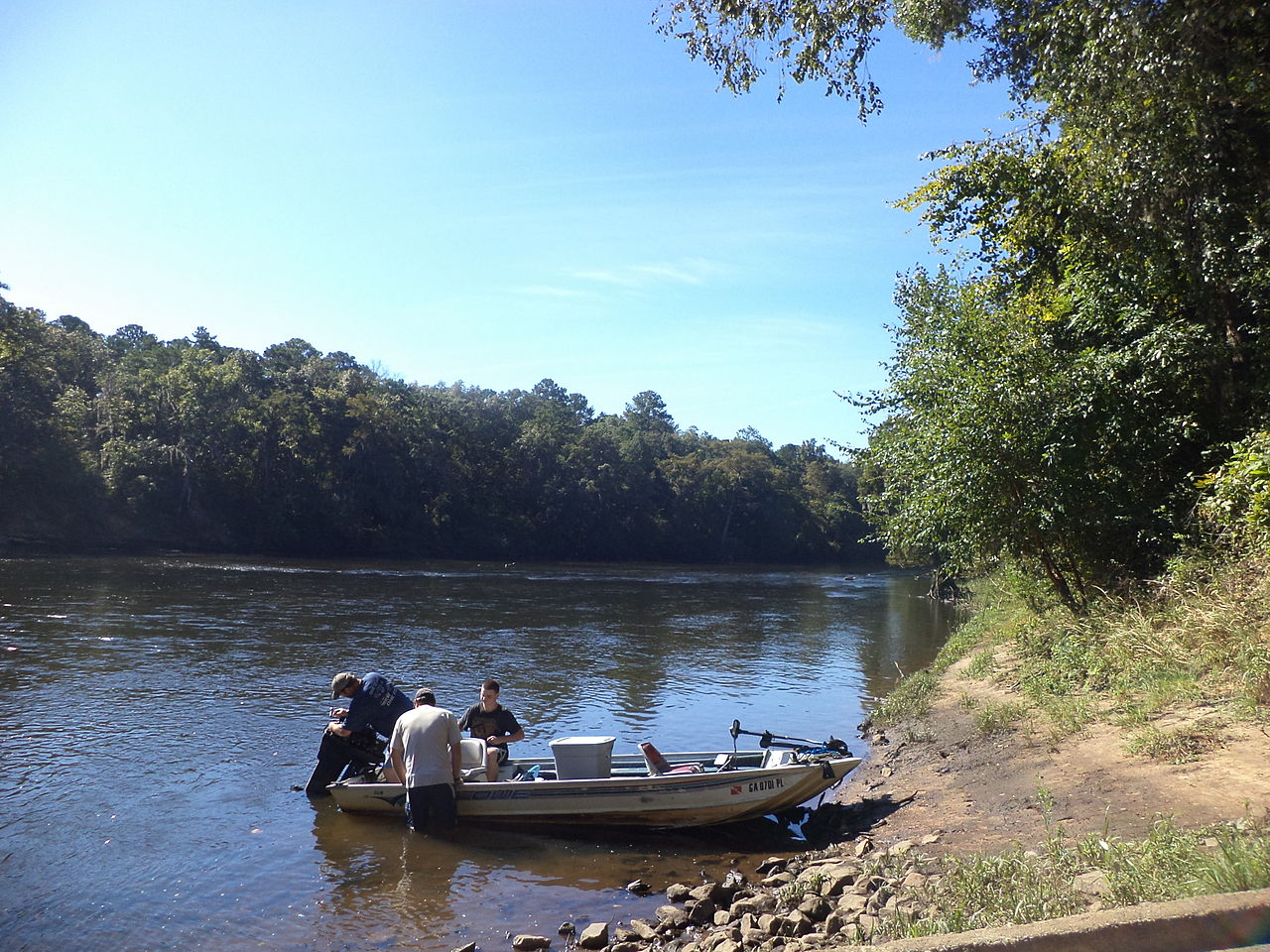

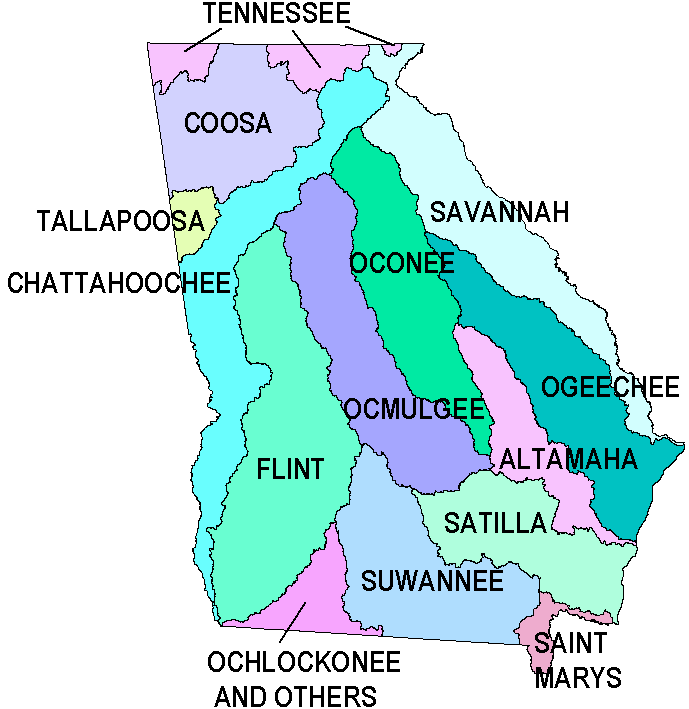

Course and physical characteristics
The Flint rises in west-central Georgia and follows a predominantly southerly route before meeting the Chattahoochee River to contribute to the Apalachicola River system near the Georgia–Florida line. Along its length the Flint includes both relatively free-flowing stretches and stretches altered by reservoirs and impoundments. Its floodplains and swampy lowlands support seasonal flow variation and influence local groundwater recharge.
History and human use
Indigenous peoples long used the Flint's resources for fishing, transportation, and settlement. European settlement brought agricultural development, mills, and towns along the banks; Albany is a notable city on the river. The basin has supported farming, municipal water supplies, and limited industrial uses. Competing demands for water from agriculture, cities, and downstream estuaries have shaped management decisions.
Ecology and conservation
The Flint's corridor includes bottomland hardwood forests, marshes, and habitats important for freshwater fish, amphibians, and migratory birds. Common recreational and sport fish include species such as bass and catfish, while wetlands support waterfowl and wading birds. Conservation concerns center on water quantity and quality, sedimentation, habitat loss, and the impacts of droughts and withdrawals on flow regimes. The river’s role in the broader ACF basin links its health to downstream estuaries that rely on freshwater inflow.
Recreation, towns, and notable facts
- Recreation: paddling, fishing, birdwatching, and riverside hiking are popular along many stretches.
- Towns: several communities lie along the river, including Albany and other small towns that depend on its resources.
- Regional importance: the Flint contributes substantially to the ACF basin, influencing water availability and ecosystem services downstream.
Management of the Flint River balances local water use, recreation, and habitat protection. Ongoing monitoring and basin-wide planning aim to address conflicts over withdrawals, to maintain ecological flows, and to protect the river’s diverse floodplain environments.
Author
AlegsaOnline.com Flint River (Georgia): course, ecology, history, and uses Leandro Alegsa
URL: https://en.alegsaonline.com/art/138404