
Fayette County, Tennessee
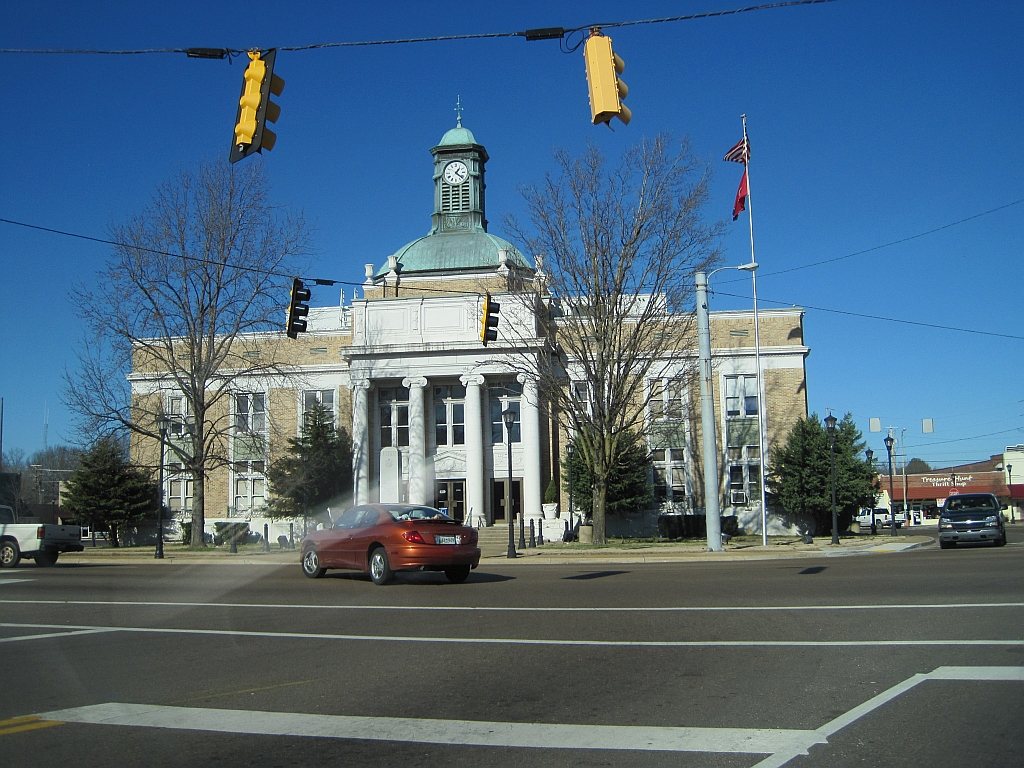
Fayette County is a largely rural county in western Tennessee with Somerville as its county seat. It combines agricultural traditions with growing commuter communities near Memphis.
Overview
Fayette County is a county located in the U.S. state Tennessee. It sits within the broader Memphis metropolitan region and retains a rural character mixed with suburban growth. According to the 2010 census, 38,413 people lived there. The county seat is Somerville, a small town that functions as the local government and commercial center.
Image gallery
6 Images



Characteristics and landscape
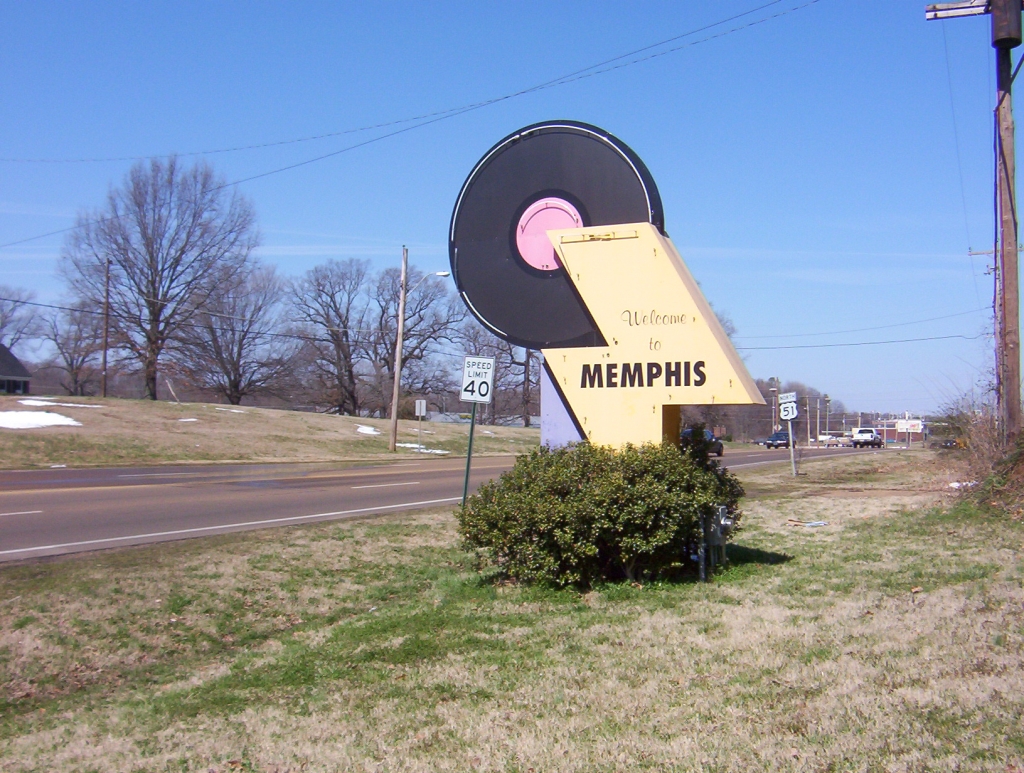
The county landscape is a mix of farmland, woodlands and small towns. Agriculture and open space remain prominent, although areas closer to Memphis have seen residential development as commuters seek lower-density housing. Local roads connect communities to regional highways serving the Memphis area.
History
Fayette County developed in the 19th century as part of Tennessee's westward settlement. It was named in honor of the Marquis de Lafayette, the French general who aided the American Revolution. Like many counties in the region, its early economy depended on farming and landowners established plantation-style operations before the Civil War.
Government and economy
Local government is conducted through elected officials and a county commission, responsible for services such as law enforcement, roads and local courts. The economy combines agriculture, small manufacturing, retail, and service industries; a portion of residents commute to jobs in the nearby Memphis metropolitan area for employment and commerce.
Communities and culture
Somerville is the administrative center and hosts civic events, courts and county offices. Other small towns and unincorporated communities provide schools, churches and recreational opportunities. The county maintains historic buildings, community festivals and outdoor activities that reflect its rural heritage.
Notable facts and distinctions
- Fayette County is part of the greater Memphis economic region and balances rural identity with suburban growth.
- Its name honors a prominent figure from the American Revolution and reflects early 19th-century naming traditions.
- Residents rely on both local resources and nearby urban centers for employment, healthcare and higher education.
For further local details and resources, see regional planning documents and county government pages that describe services, property records and community events. The county's position near a major metropolitan area influences development patterns while preserving substantial agricultural land and small-town character. Regional information provides context for transport, economy, and demographics.
Author
AlegsaOnline.com Fayette County, Tennessee Leandro Alegsa
URL: https://en.alegsaonline.com/art/138332