
Ernest McFarland: Arizona statesman who led in all three branches
Ernest W. McFarland (1894–1984) was an American Democratic politician from Arizona who served as U.S. Senate Majority Leader, governor of Arizona, and Chief Justice of the Arizona Supreme Court.
Ernest William "Mac" McFarland (October 9, 1894 – June 8, 1984) was an American politician and public figure who held unusually broad power in both federal and state government. Over the course of several decades he attained the highest office in each of the three branches most relevant to an American political career: federal legislative, state executive, and state judicial leadership.
Image gallery
3 Images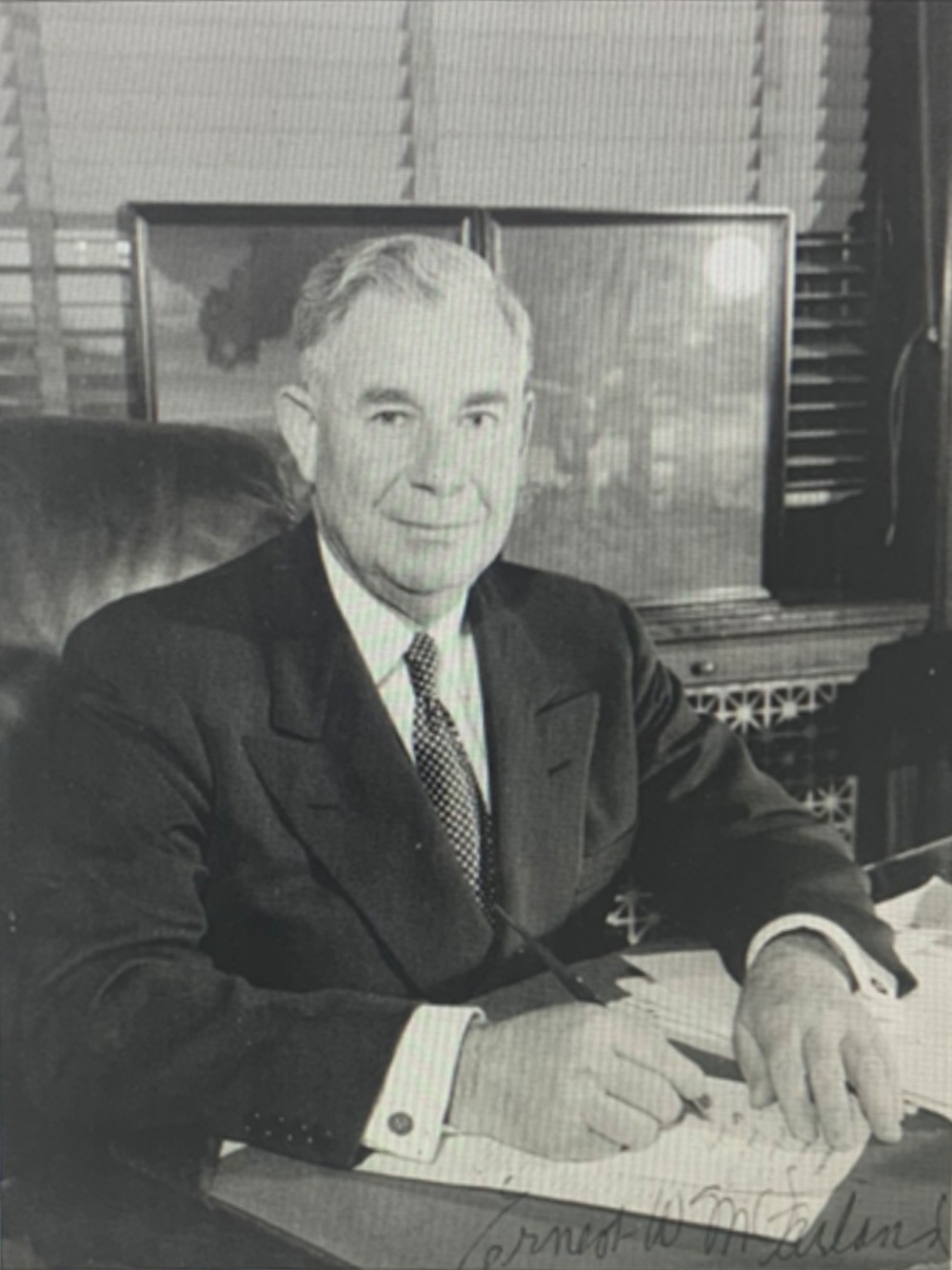


Overview
McFarland was a member of the Democratic Party. He represented Arizona in the United States Senate from 1941 until 1953, rising to the position of Senate Majority Leader from 1951 to 1953. After a return to Arizona politics he served as the state's governor from 1955 to 1959 and later presided as Chief Justice of the Arizona Supreme Court in 1968. He remains the only Arizonan to have reached the top office in all three branches named above.
Career highlights
Across his public career McFarland was known for steady institutional leadership during a period that encompassed World War II, postwar growth, and mid-century state development. In Washington he played a national role in Senate organization and legislative management as Majority Leader. As governor he led the executive branch of a rapidly growing southwestern state. On the bench he served at the apex of Arizona's judiciary.
Offices held
- United States Senator from Arizona, 1941–1953 — including Senate Majority Leader 1951–1953.
- Governor of Arizona, 1955–1959 — chief executive during a period of economic and demographic change.
- Chief Justice, Arizona Supreme Court, 1968 — presided over the state's highest court.
For summaries of his legislative record and later judicial service see senate material and state judicial references at Arizona archives. A general biographical outline is available via biographical resources.
Significance and legacy
McFarland's career is notable for its breadth: few American politicians have held top-level leadership in both a national legislative body and in two different branches of a single state's government. That rare combination gave him an unusual perspective on the interactions between federal lawmaking, state administration, and state judicial review. Histories of Arizona politics often cite him as a central mid‑20th century figure whose public service spanned lawmaking, executive management, and judicial oversight.
Because he served at pivotal moments — wartime and postwar federal politics, and a period of substantial state growth — his record is frequently reviewed by students of institutional history and by those studying Arizona's political development. McFarland's example is also used to illustrate how one career can bridge the separate roles of legislator, governor, and jurist within American federalism.
Author
AlegsaOnline.com Ernest McFarland: Arizona statesman who led in all three branches Leandro Alegsa
URL: https://en.alegsaonline.com/art/138108