
Eradication of infectious diseases
Eradication is the permanent reduction of a disease's incidence to zero worldwide. This article explains the concept, criteria, history, methods, challenges, and distinctions from elimination.
Overview
Eradication of an infectious disease means interrupting transmission so that the disease no longer occurs in the global population and no further control measures are required. It is a higher goal than regional or national elimination, which refers to stopping transmission in a defined area but not worldwide. Successful eradication ends both natural cases and the need for routine interventions targeted at that disease.
Image gallery
9 Images






Key characteristics and criteria
Not every disease can be eradicated. Public health programs typically assess feasibility using several factors, including:
- Biological suitability: the pathogen has no nonhuman reservoir or the reservoir can be controlled.
- Effective intervention: a reliable, safe, and widely deliverable prevention or cure exists (for example, a vaccine or treatment).
- Detectability: cases can be detected and reported promptly to stop chains of transmission.
- Political and financial commitment: sustained resources and global coordination are required.
History and notable examples
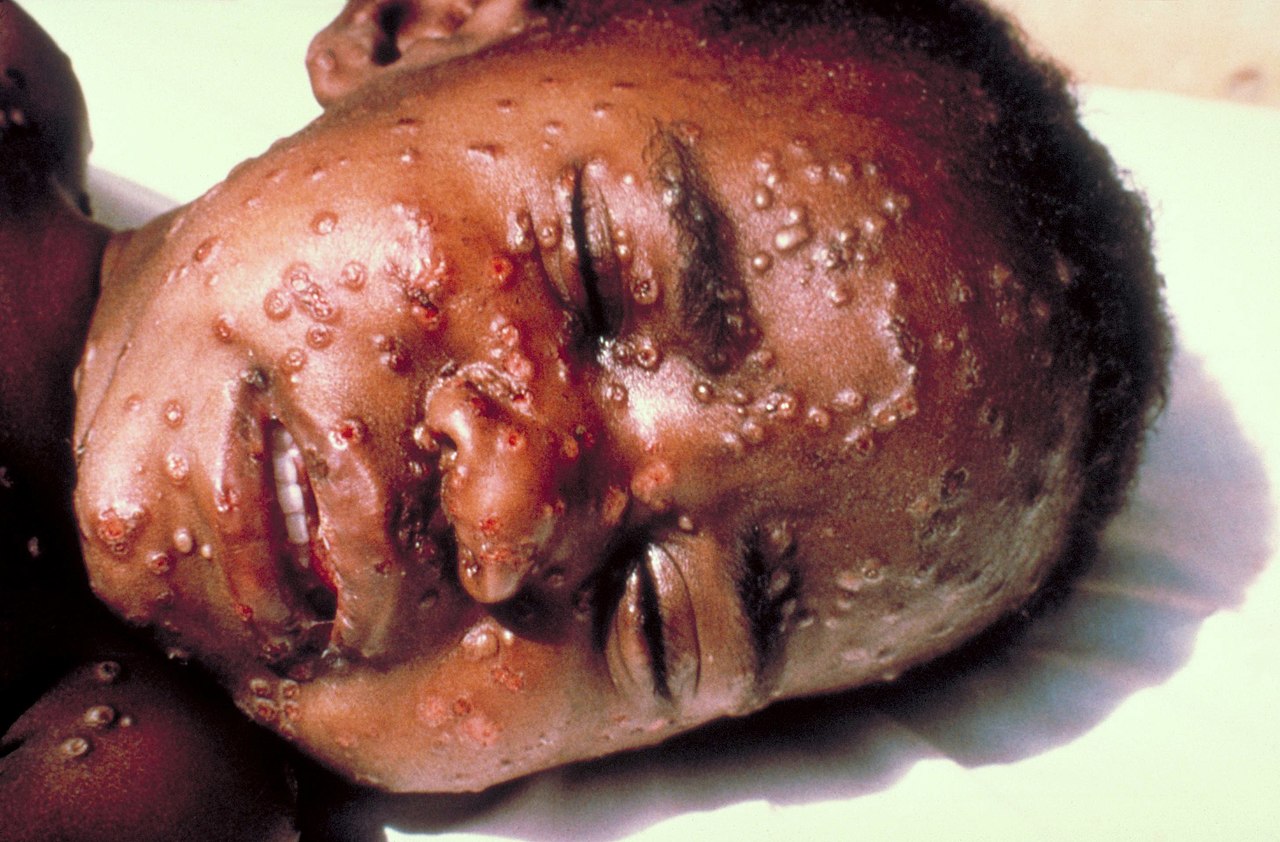
Smallpox is the best known human disease eradicated from the wild; coordinated global vaccination and surveillance led to certification of eradication in the late twentieth century. Animal disease eradication has also been achieved—for example, the viral cattle disease rinderpest was declared eradicated after international campaigns. Current global campaigns target other diseases considered eradicable or near-eradicated.
Methods and practical steps
A successful eradication program combines widespread prevention (often vaccination), active surveillance to find every case, rapid response to outbreaks, and public communication to achieve high coverage and trust. Laboratory capacity and case verification are essential so that suspected cases can be confirmed or ruled out. International coordination ensures that progress in one region is not undone by importation from another.
Challenges, costs and ethical considerations
Eradication campaigns can be costly and long-running. They may divert resources from other health priorities and raise ethical questions about consent, equity, and how to manage rare adverse events from interventions. Political instability, weak health systems, distrust of authorities, and pathogen evolution are practical obstacles. Decisions about pursuing eradication balance long-term benefits against short-term burdens.
Distinctions and certification
Elimination differs from eradication in scale: elimination is zero incidence in a region, eradication is zero worldwide. Certification of eradication is granted by independent experts after exhaustive evidence is reviewed. For more background on public health definitions, see host and transmission concepts and read historical summaries such as the account of smallpox eradication.
Author
AlegsaOnline.com Eradication of infectious diseases Leandro Alegsa
URL: https://en.alegsaonline.com/art/138086