
Emil Adolf von Behring — pioneer of serum therapy and Nobel laureate
German physician and immunology pioneer (1854–1917) who developed antitoxin serum therapy for diphtheria and tetanus and received the first Nobel Prize in Physiology or Medicine (1901).
Emil Adolf von Behring (15 March 1854 – 31 March 1917) was a German medical researcher and clinician who played a central role in early immunology. He is best known for developing antitoxin serum therapies that neutralized bacterial toxins and for receiving the 1901 Nobel Prize in Physiology or Medicine. He is often described as a founder of serum therapy and an important figure in the reduction of childhood deaths from infectious disease.
Image gallery
6 Images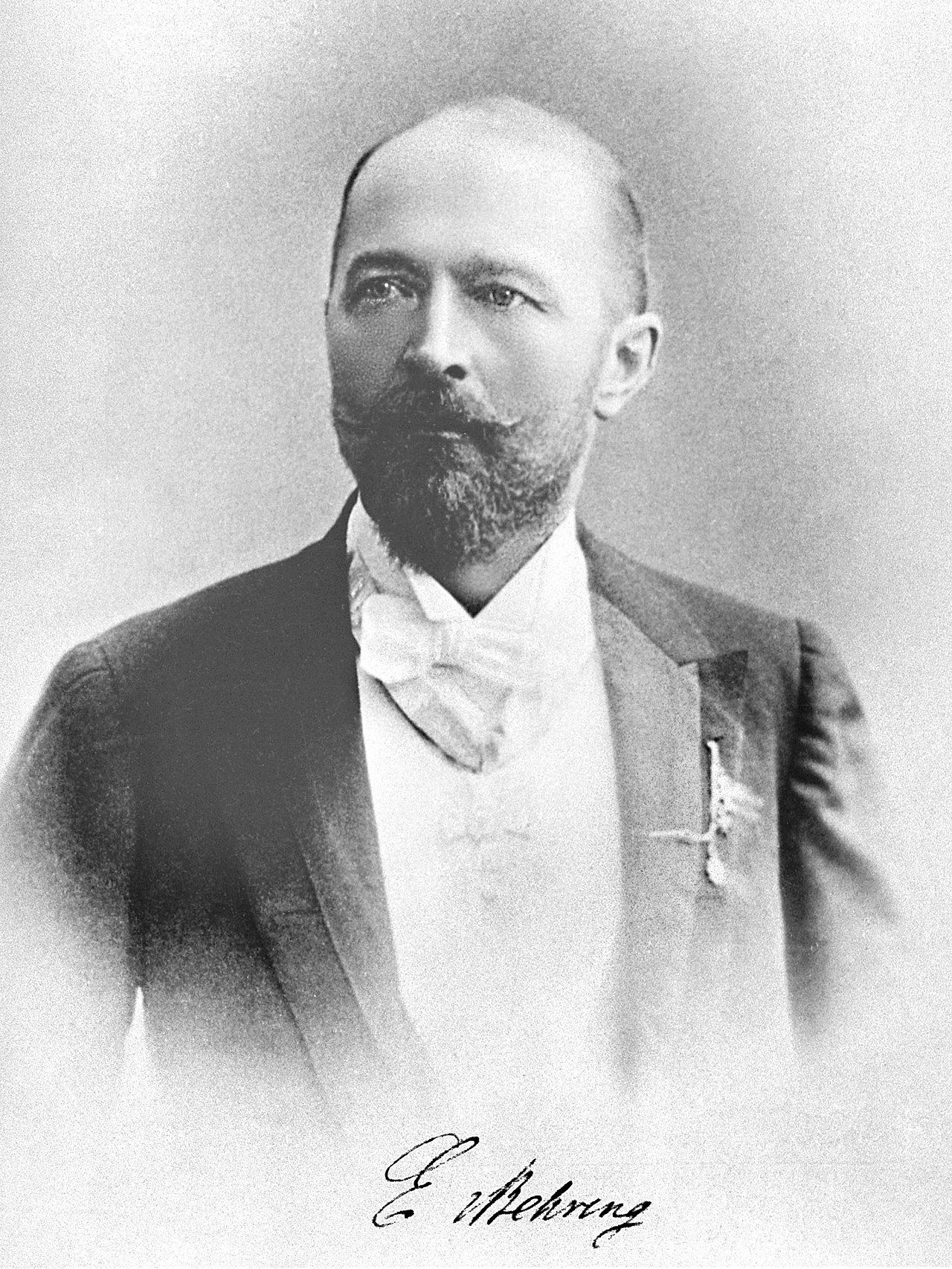
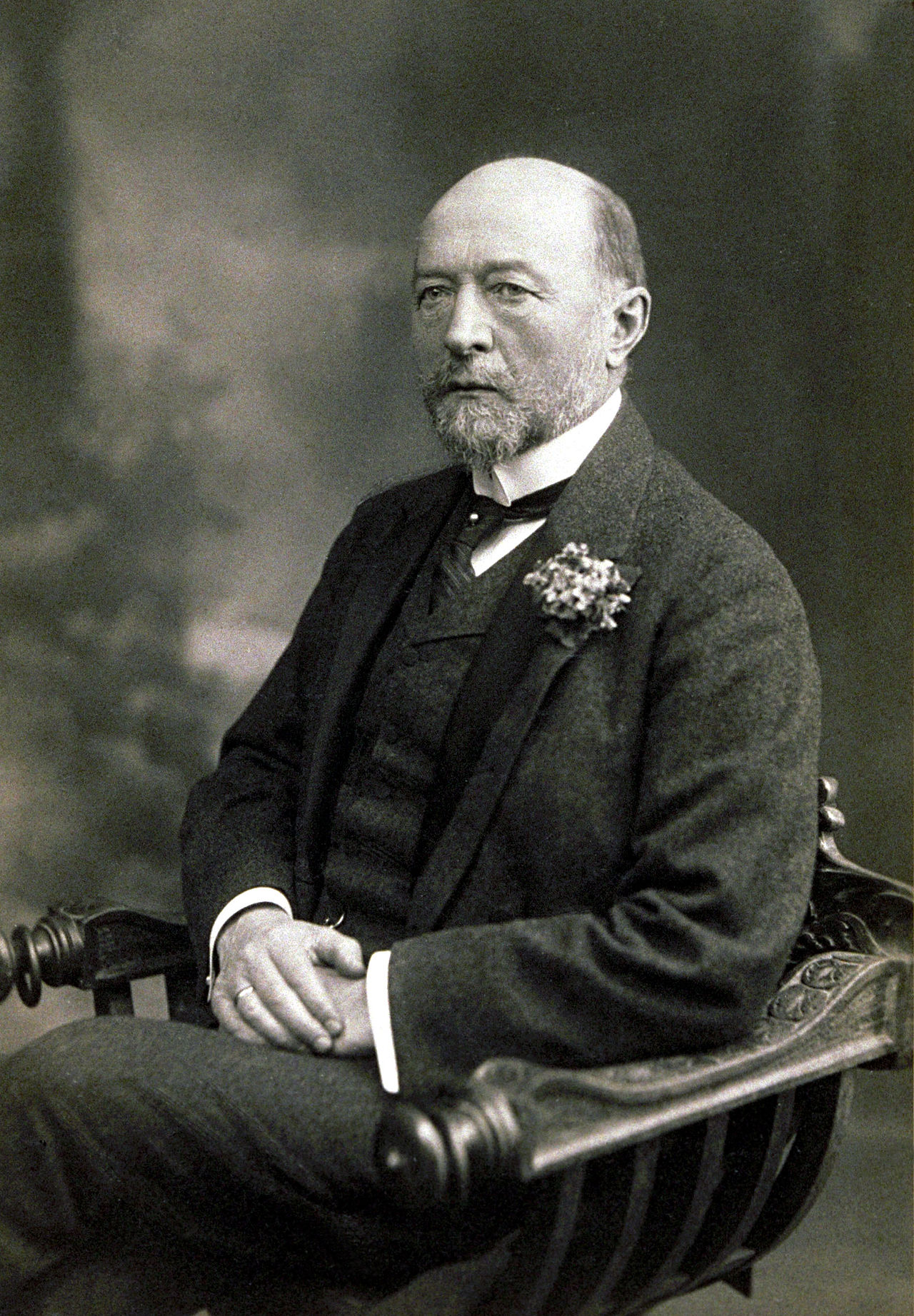


Overview and significance
Trained as a physician, Behring combined clinical observation with experimental study to address lethal infections. Working with colleagues, he devised methods to produce protective sera from animals that could be given to sick or exposed patients to neutralize toxins. This approach introduced the practical use of antitoxin serum and established principles of passive immunity that influenced later vaccine development.
Major contributions
- Development of antitoxin treatment for diphtheria, which dramatically lowered mortality in affected children and became a standard therapy.
- Application of similar methods against tetanus toxins, extending the value of serum approaches to other infectious conditions.
- Promotion of laboratory-to-clinic translation and large-scale production of therapeutic sera, helping create early public health measures against infectious disease.
Research and collaborations
Behring’s experiments built on bacteriology and toxin research of his time. In collaboration with other researchers he demonstrated that blood serum from immunized animals contained substances capable of neutralizing bacterial toxins, a discovery that inspired both academic and commercial efforts to produce lifesaving sera. His work is commonly associated with the emergence of modern immunology and infectious-disease treatment.
Recognition and later life
For his achievements Behring received the 1901 Nobel Prize in Physiology or Medicine. In recognition of his contributions he was ennobled and became widely known by the name Emil von Behring. His career influenced clinical practice, laboratory medicine and the manufacture of biological therapies.
Legacy and notable facts
Behring’s methods established the concept of passive immunization and paved the way for preventive and therapeutic uses of immune sera and vaccines. He remains a significant historical figure in the control of infectious diseases and is frequently cited in accounts of the development of immunology and public-health interventions. For more on his background and work see sources on his life as a German physician and researcher and the history of serum-based therapies.
Author
AlegsaOnline.com Emil Adolf von Behring — pioneer of serum therapy and Nobel laureate Leandro Alegsa
URL: https://en.alegsaonline.com/art/138033