
El Dorado (1988 film)
El Dorado is a 1988 Spanish–French–Italian dramatic film directed by Carlos Saura, featuring an international ensemble led by Omero Antonutti and Lambert Wilson and noted for its art‑house sensibility.
Overview
El Dorado is a 1988 drama film directed by Spanish filmmaker Carlos Saura. A co‑production between Spain, France and Italy, the film assembles an international cast and reflects Saura's continued interest in psychological and historical themes. It is commonly described in sources as part of Saura's late 20th‑century oeuvre that balances intimate character study with broader cultural concerns.
Image gallery
1 Image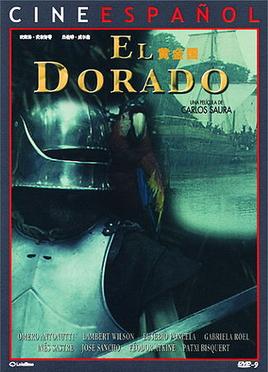
Cast and production
The principal cast includes Omero Antonutti, Lambert Wilson, Eusebio Poncela, Gabriela Roel, Inés Sastre, José Sancho and Féodor Atkine. The film was produced with European partners and presented in multiple languages during production and release, a typical arrangement for continental co‑productions of the period. Technical credits and collaborators reflect the multinational nature of the project.
Themes and style
While avoiding a simple genre label, the film is generally approached as a drama that interweaves personal conflict with historical or symbolic resonance. Critics and scholars tend to note Saura's stylistic markers—attention to mood, carefully composed visuals and an emphasis on character psychology—without reducing the work to a single theme. The film's pacing and aesthetic place it within the director's art‑house output rather than mainstream commercial cinema.
Reception and legacy
Upon release, El Dorado received attention primarily in European film circles and at festival screenings. Responses highlighted the performances of the multinational cast and Saura's direction, while discussion of the film's themes contributed to broader appraisals of his career. Over time the film has been looked at in relation to Saura's other works from the same era and to European co‑production practices of the 1980s.
Notable aspects
- International ensemble cast combining established actors from Spain, France and Italy.
- Part of Carlos Saura's body of work that moved between historical reflection and intimate drama.
- Example of late‑20th century European co‑production and cross‑border collaboration in cinema.
For readers seeking more detail on the director or principal performers, consult dedicated filmographies and authoritative reference sources that document the film's production history and critical reception.
Author
AlegsaOnline.com El Dorado (1988 film) Leandro Alegsa
URL: https://en.alegsaonline.com/art/138012