
Carlos Saura
Carlos Saura (born 1932) is a Spanish film director, photographer and writer known for psychologically rich dramas, innovative music-and-dance films, and his influence on postwar Spanish cinema.
Overview
Carlos Saura Atarés (born 4 January 1932 in Huesca) is a Spanish film director, photographer and writer whose career spans more than half a century. He is widely regarded, alongside Luis Buñuel and Pedro Almodóvar, as one of the most important figures in contemporary Spanish cinema. Saura’s work moves between intimate psychological drama and ambitious stagings that combine cinema with music, dance and the visual arts.
Image gallery
3 Images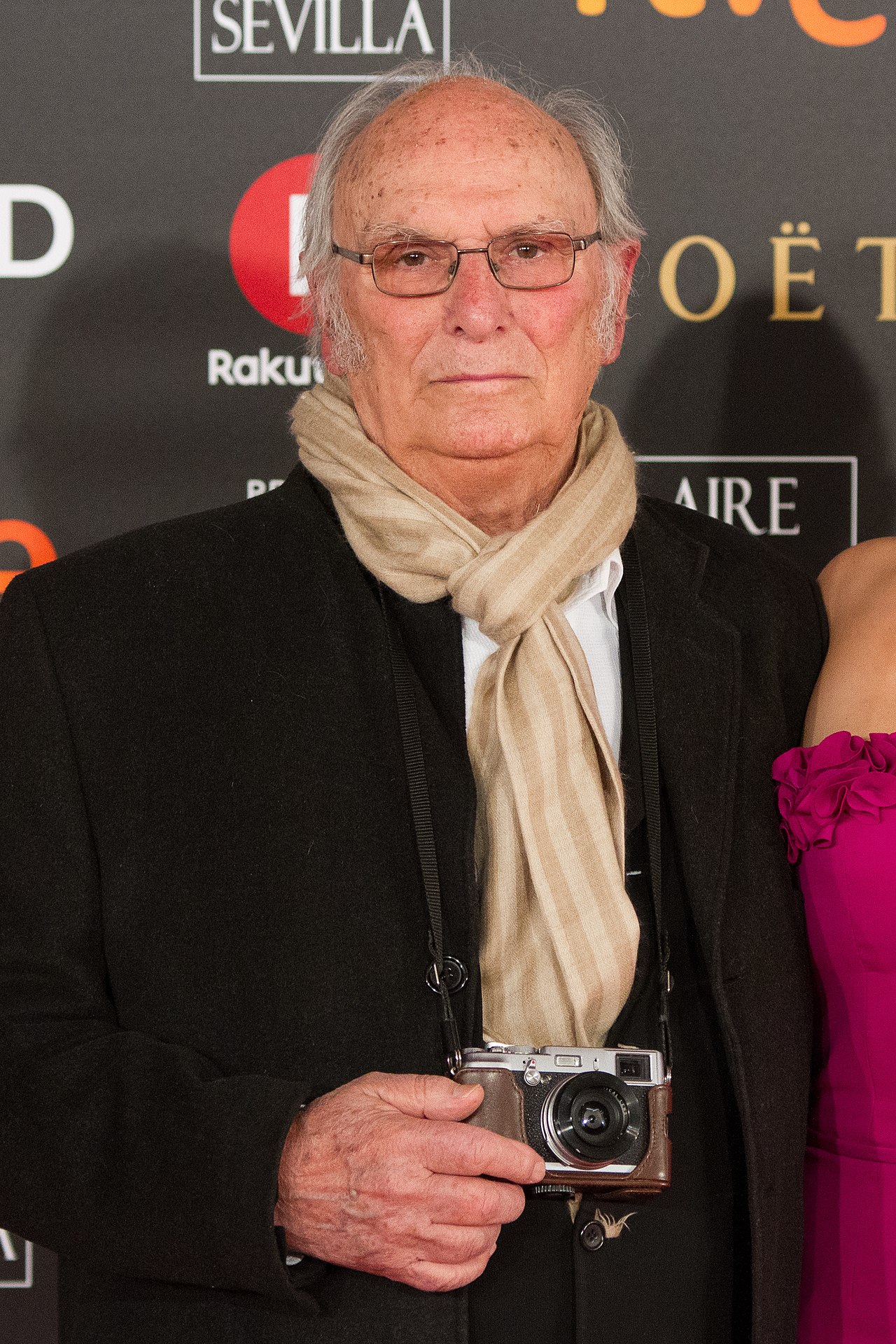


Style and recurring themes
Saura is known for films that explore memory, repression and the residue of Spain’s recent history through elliptical narratives and layered symbolism. Early works rely on realist observation and tight character studies, while later films experiment with theatrical presentation, choreographed sequences and metafictional devices. He frequently uses music, flamenco and choreography as means of psychological exploration rather than mere spectacle.
Career and collaborations
Beginning his professional life as a photographer, Saura moved into filmmaking in the late 1950s and 1960s. He developed a reputation for films that challenged social norms and evaded direct censorship through allegory. Between 1967 and 1979 he maintained both an artistic and personal partnership with actress Geraldine Chaplin, who appeared in several of his important films (Geraldine Chaplin). Throughout his career Saura worked with a variety of actors, musicians and dancers and later turned to filmed musicals and dance films, collaborating with leading choreographers and performers.
Selected films and recognition
- Los Golfos
- La Caza
- Peppermint Frappé
- Ana and the Wolves
- La Prima Angélica
- Cría Cuervos
- Elisa, vida mía
- Deprisa, Deprisa
- Carmen
- Tango
- Goya in Bordeaux
Saura received national and international honors for his work, including multiple Goya Awards; in 1991 he was awarded two Goya Awards, recognizing his continuing impact on Spanish film. His films have been presented at major festivals and retrospectives, and his blending of narrative cinema with performance has influenced subsequent generations of filmmakers and choreographers.
Legacy and notable facts
Saura’s films are valued for their formal inventiveness and psychological depth. He combined a documentary eye with theatrical sensibilities, often using mise-en-scène to reveal character and social tension. As a photographer and writer as well as a director, Saura contributed to the wider cultural conversation in Spain during a period of political change, and his films remain central to studies of Spanish cinema and cultural memory.
Luis Buñuel, Pedro Almodóvar and Spain are frequently mentioned in relation to Saura’s place in film history; his early links to Huesca and his collaboration with Geraldine Chaplin are notable elements of his biography.
Author
AlegsaOnline.com Carlos Saura Leandro Alegsa
URL: https://en.alegsaonline.com/art/136121