
Edgar D. Whitcomb: 43rd Governor of Indiana and mid‑20th century public figure
Edgar D. Whitcomb (1917–2016) was an American Republican politician who served as Indiana's 43rd governor from 1969 to 1973. He was born in Hayden, Indiana, and died at age 98.
Edgar Doud Whitcomb (November 6, 1917 – February 4, 2016) was an American politician best known for serving as the 43rd Governor of Indiana from 1969 to 1973. A member of the Republican Party, Whitcomb was part of the cohort of mid‑20th century state leaders who governed during a period of social change and administrative modernization.
Image gallery
2 Images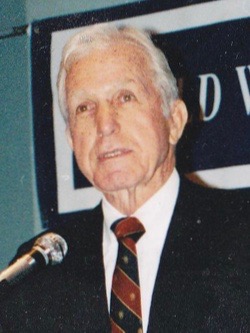

Early life and background
Whitcomb was born in Hayden, Indiana, in 1917. His early years were spent in rural Indiana, where he developed ties to local communities that shaped his later public service. He served in the United States military during World War II, an experience that influenced his outlook on leadership and civic responsibility. Details of his pre‑elective career include work in both public and private roles, which provided the practical experience he later brought to statewide office.
Political career and governorship
Whitcomb won the governorship and held office for a single four‑year term from 1969 until 1973. As governor he confronted the routine tasks of running state government: managing budgets, overseeing state agencies, and responding to the needs of citizens across urban and rural areas. His administration took part in the broader, ongoing efforts of the period to streamline government operations and adapt state services to changing demographic and economic conditions.
Public image and later life
After leaving the governor's office, Whitcomb remained a private figure who occasionally appeared in public discussions of state history and civic affairs. He lived most of his life in Indiana and was regarded by many as a representative of a generation that combined military service with civic engagement. In his later years he continued to be remembered for his role in state government and for his long life.
- Born: November 6, 1917, Hayden, Indiana
- Governor of Indiana: 1969–1973
- Political party: Republican
- Died: February 4, 2016, in Rome, Indiana, from heart failure at age 98
Whitcomb's life spans a wide arc of 20th‑century American experience—rural upbringing, military service, and leadership in state government. For readers seeking additional contemporary documents or primary sources about his administration, state archives and historical societies hold legislative records, executive papers, and media coverage from his term in office.
Author
AlegsaOnline.com Edgar D. Whitcomb: 43rd Governor of Indiana and mid‑20th century public figure Leandro Alegsa
URL: https://en.alegsaonline.com/art/137861