
East Ham, London
East Ham is an urban district in the London Borough of Newham, about 8 miles east of Charing Cross. A Major Centre in the London Plan, it is a diverse residential and commercial area with notable parks and transport links.
East Ham is a district in the east of London within the London Borough of Newham, lying roughly eight miles east of Charing Cross. Identified in the London Plan as a Major Centre, East Ham combines a busy town centre of shops and services with large residential neighbourhoods. The area is home to a substantial and diverse population, with many languages, faiths and cultural communities represented.
Origins and administrative history
The place-name East Ham derives from an Old English element meaning a low-lying homestead or land by water. For many centuries it was a small settlement in the county of Essex. Rapid urban growth followed the 19th-century arrival of railways and suburban housing. In 1965 local government reorganisation transferred the area into Greater London and it became part of the newly formed London Borough of Newham.
Image gallery
5 Images


Features and landmarks
- Town centre: East Ham Central contains shopping streets, markets and civic buildings focused around the high street and station approach.
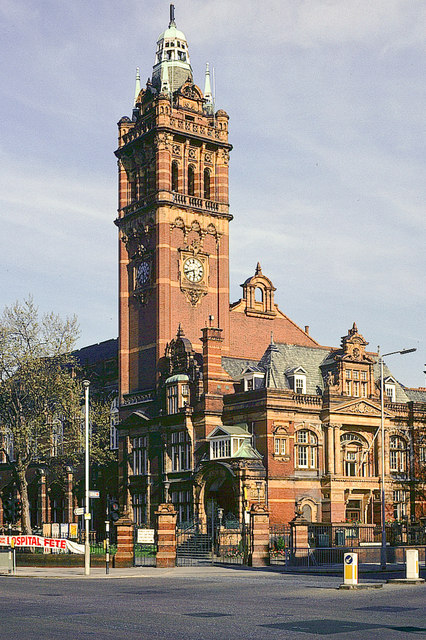
- Civic buildings: historic town hall and community centres that serve local cultural and public services.
- Parks: several public parks and green spaces provide recreation for residents and local events.
- Sporting connection: the area sits close to Upton Park, the former site associated with West Ham United football club in the neighbouring district.
Transport and access
East Ham is well served by public transport. East Ham Underground station is on the District and Hammersmith & City lines, and a network of bus routes links the district to central London and other suburbs. Good road connections and public services make it a practical base for commuters and businesses.
Community, economy and development
The local economy mixes independent shops, small businesses and public-sector services. East Ham's population is ethnically and culturally varied, which is reflected in shops, restaurants and places of worship. Like many parts of London, the area has been the subject of redevelopment and regeneration initiatives aimed at improving housing, retail space and public realm while retaining local character.
Notable distinctions
East Ham's identity combines suburban Victorian housing, post-war development and contemporary urban change. Its designation as a Major Centre recognises the role it plays as a focal point for retail, services and community life in this part of east London.
Author
AlegsaOnline.com East Ham, London Leandro Alegsa
URL: https://en.alegsaonline.com/art/137818