
E. L. Doctorow (1931–2015) — American novelist of historical fiction
E. L. Doctorow was an American novelist known for blending historical events and invented lives in works such as Ragtime, The Book of Daniel, and Billy Bathgate.
Edgar Lawrence "E. L." Doctorow (January 6, 1931 – July 21, 2015) was an American novelist widely recognized for his inventive approach to historical fiction. Over a career spanning several decades he produced a series of acclaimed novels that combine imagined characters with real historical figures and events, probing American identity, politics, and social change.
Image gallery
4 Images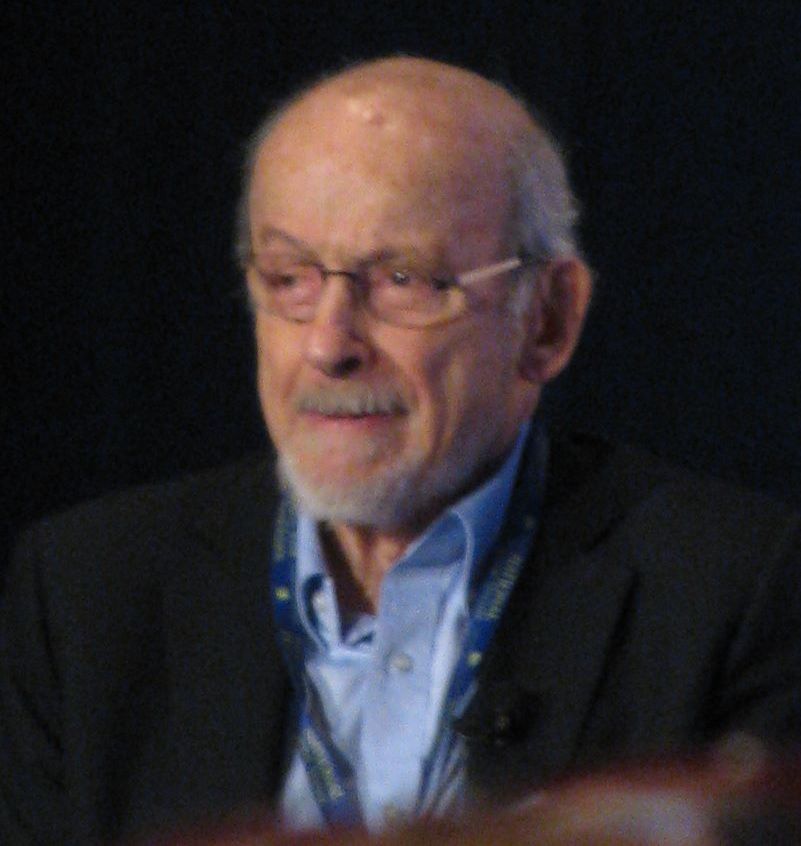


Background
Doctorow was born in New York City and raised in the Bronx in a family of Eastern European Jewish background. He began publishing in the mid-20th century and worked in a number of literary roles, including writing and editorial positions, while developing a reputation for novels that rewrite or reframe familiar epochs of American life.
Style and themes
Doctorow's fiction is noted for blending archival detail with imaginative invention. He frequently uses historical settings as a lens through which to examine moral ambiguity, power, and personal identity. His narratives often shift perspective and voice, moving between close personal drama and wider social panoramas.
Major works
- Ragtime — A novel that interweaves the lives of fictional characters with prominent turn‑of‑the‑century figures to explore race, class, and modernity.
- The Book of Daniel — A politically charged work shaped by the legacy of mid‑20th‑century American radicalism and family tragedy.
- Billy Bathgate — A coming‑of‑age narrative set in the world of organized crime, told from the perspective of a young protagonist.
These titles illustrate Doctorow's interest in using narrative invention to illuminate historical forces and personal consequences. His books have been widely read, taught, and adapted for stage and screen.
For further information, see a concise biographical overview or a catalog of his works and adaptations at further resources. Doctorow's novels remain influential for their melding of history and imagination and for their probing questions about American life and storytelling.
Author
AlegsaOnline.com E. L. Doctorow (1931–2015) — American novelist of historical fiction Leandro Alegsa
URL: https://en.alegsaonline.com/art/137781