
Draft evasion: forms, history, legal issues, and social impact
Draft evasion is the act of avoiding compulsory military service. This article explains methods, historical context, legal consequences, conscientious objection, and distinctions from related concepts.
Overview
Draft evasion refers to efforts by individuals to avoid compulsory military service imposed by a state. It can range from lawful alternatives and official exemptions to illicit acts that violate conscription statutes. The term covers behavior directed at escaping duties to the military forces of a country and is often discussed alongside the broader institution of conscription.
Image gallery
10 Images


Common methods and characteristics
Methods of evading a draft vary in intent, legality and visibility. Some approaches exploit formal exemption systems, while others deliberately break the law. Typical examples include:
- Failing to register with draft authorities or refusing to respond to induction notices.
- Pursuing medical or psychological exemptions, sometimes legitimately and sometimes through fraud.
- Claiming conscientious objection to seek alternative civilian service.
- Leaving the country or going into hiding to avoid conscription.
- Using forged documents, false identities, or bribery to obtain discharge papers or deferments.
History and notable patterns
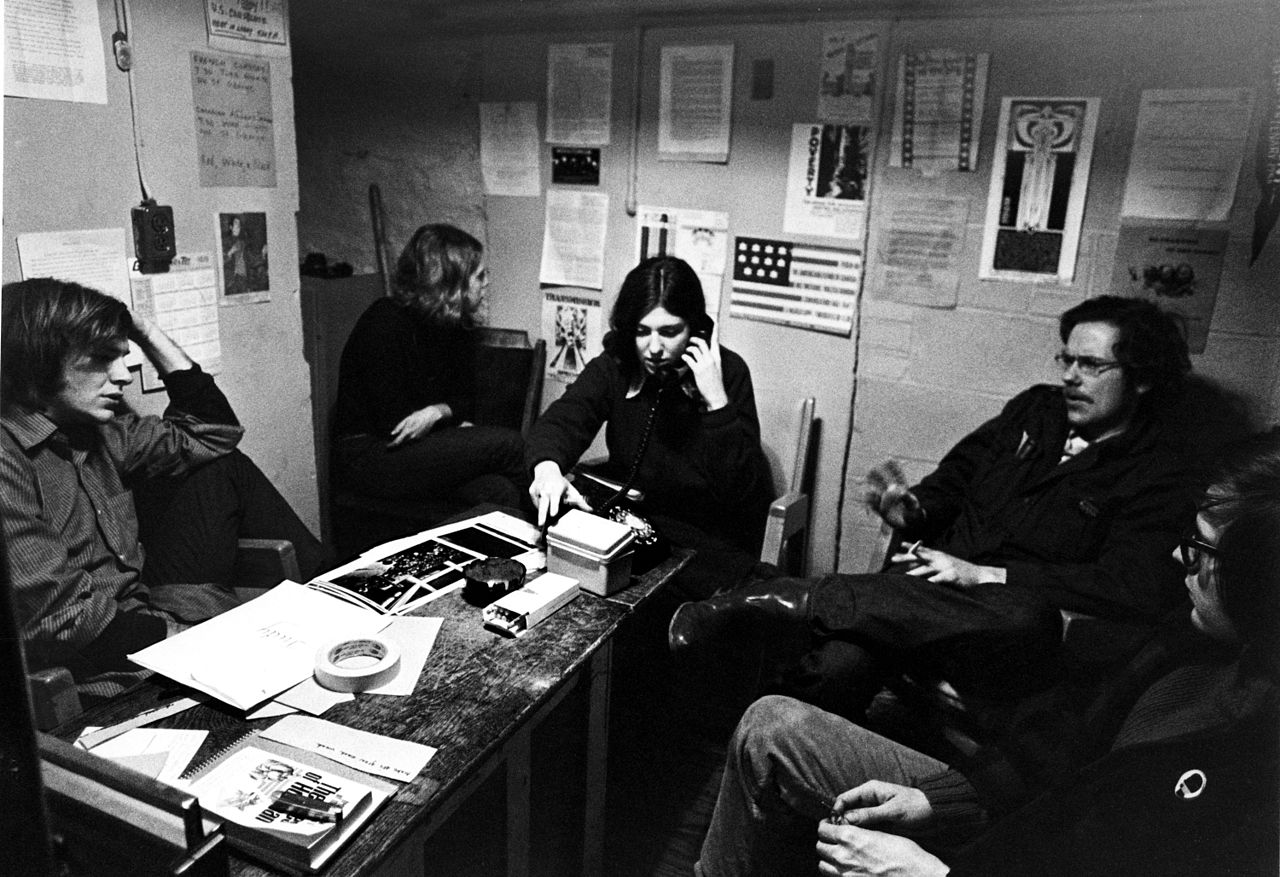
Draft evasion has accompanied conscription systems throughout modern history and became particularly visible during large-scale wars of the 20th century. In several conflicts, mass resistance and organized avoidance affected manpower and public debate. Movements of draft resistance have taken many forms: individual desertions, organized counseling networks, legal challenges, and public protest. Awareness of these patterns shaped later policies on deferment, conscientious objection, and alternative service.
Legal consequences and social context
In most jurisdictions, unlawful draft evasion is a criminal offense, which can carry fines, imprisonment, loss of civil rights, or other penalties. Enforcement varies widely: some states pursue prosecutions vigorously, while others give clemency or amnesty under political pressure. Social responses may include stigma, support from anti-war groups, or political campaigns that produce legislative change.
Distinctions, alternatives and important considerations
It is important to distinguish draft evasion from related but distinct concepts. Conscientious objection is a recognized legal status in many countries that allows noncombatant or civilian service for those refusing military service on moral, religious, or philosophical grounds. Desertion refers to abandoning a post after induction, rather than avoiding induction in the first place. Draft resistance can be nonviolent and organized as civil disobedience, while evasion may be private and law-breaking.
Why it matters
Debate over draft evasion touches on questions of individual conscience, state authority, equality of burden, and national security. The phenomenon influences military policy, shapes public perceptions of conflicts, and interacts with legal systems that balance civic duty against human rights. Understanding its forms and consequences helps clarify broader conversations about compulsory service and democratic accountability.
Author
AlegsaOnline.com Draft evasion: forms, history, legal issues, and social impact Leandro Alegsa
URL: https://en.alegsaonline.com/art/137685