
Downton Abbey: overview, setting, production, and cultural impact
British historical drama by Julian Fellowes about the Crawley family and their servants, set early 20th century. Explores social change, class, war and modernity; aired 2010–2015 and spawned feature films.
Downton Abbey is a British historical drama series created and co-written by Julian Fellowes that follows the aristocratic Crawley family and their domestic staff in an English country house during the early decades of the 20th century. The story opens amid events that reshape Britain’s social order and continues through World War I and the interwar years. The series first aired on ITV in the United Kingdom in 2010 and was introduced to American audiences by PBS in 2011. Its television run concluded with a sixth series and a final Christmas special broadcast in 2015.
Image gallery
10 Images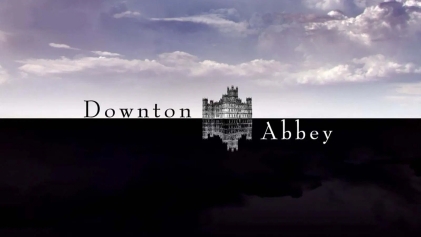


Setting and themes
Set primarily at the fictional Downton estate, the drama contrasts life "upstairs" with life "downstairs," drawing attention to the interdependence and tensions between the landed gentry and their servants. Major themes include class and social mobility, changing gender roles, the impact of technology and modernity on traditional institutions, and the human consequences of war and economic change. The series is known for blending personal melodrama with historical events that shape characters’ choices and fortunes.
Characters, cast and production
Downton Abbey features a large ensemble cast portraying both the family and household staff. Key figures include the Earl of Grantham and his wife, their daughters and heirs, alongside senior servants such as the butler and housekeeper. Performances by veteran and emerging actors contributed to the show’s popularity. Production made frequent use of country-house locations, most famously Highclere Castle as the principal exterior, period-appropriate costumes and sets, and a musical score that underscored the series’ dramatic tone.
Broadcast history and adaptations
The original television series ran for six seasons, ending in 2015 with a special episode presented at Christmas. Following the series’ conclusion, the story continued on the big screen: a feature film adaptation was released in 2019 and a sequel film opened in 2022. These films brought several principal cast members back and introduced new characters while retaining the show’s period atmosphere and focus on social shifts.
Reception and legacy
Downton Abbey achieved broad popular and critical success, attracting international audiences and prompting renewed interest in costume drama. Its detailed production design, strong ensemble performances, and high-profile guest appearances were frequently cited in reviews. The show and its cast received numerous awards and nominations, and its influence helped spur similar historical dramas and a wider appreciation for stories that examine class and social change through personal narratives.
Notable distinctions and cultural impact
- Blend of historical events and intimate family drama that makes national history visible at a household level.
- High production values—sets, costumes and music—established a benchmark for contemporary period television.
- Successful transition from television to cinema, demonstrating continued audience interest in the characters and setting.
While rooted in a particular era, Downton Abbey continues to be discussed for the way it dramatizes social transformation, the responsibilities of privilege, and the changing meanings of work and service. Its balance of soap-opera elements with historical detail helped secure a lasting place in popular culture and in the revival of prestige period drama.
Author
AlegsaOnline.com Downton Abbey: overview, setting, production, and cultural impact Leandro Alegsa
URL: https://en.alegsaonline.com/art/137666