
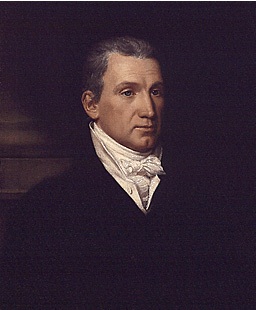
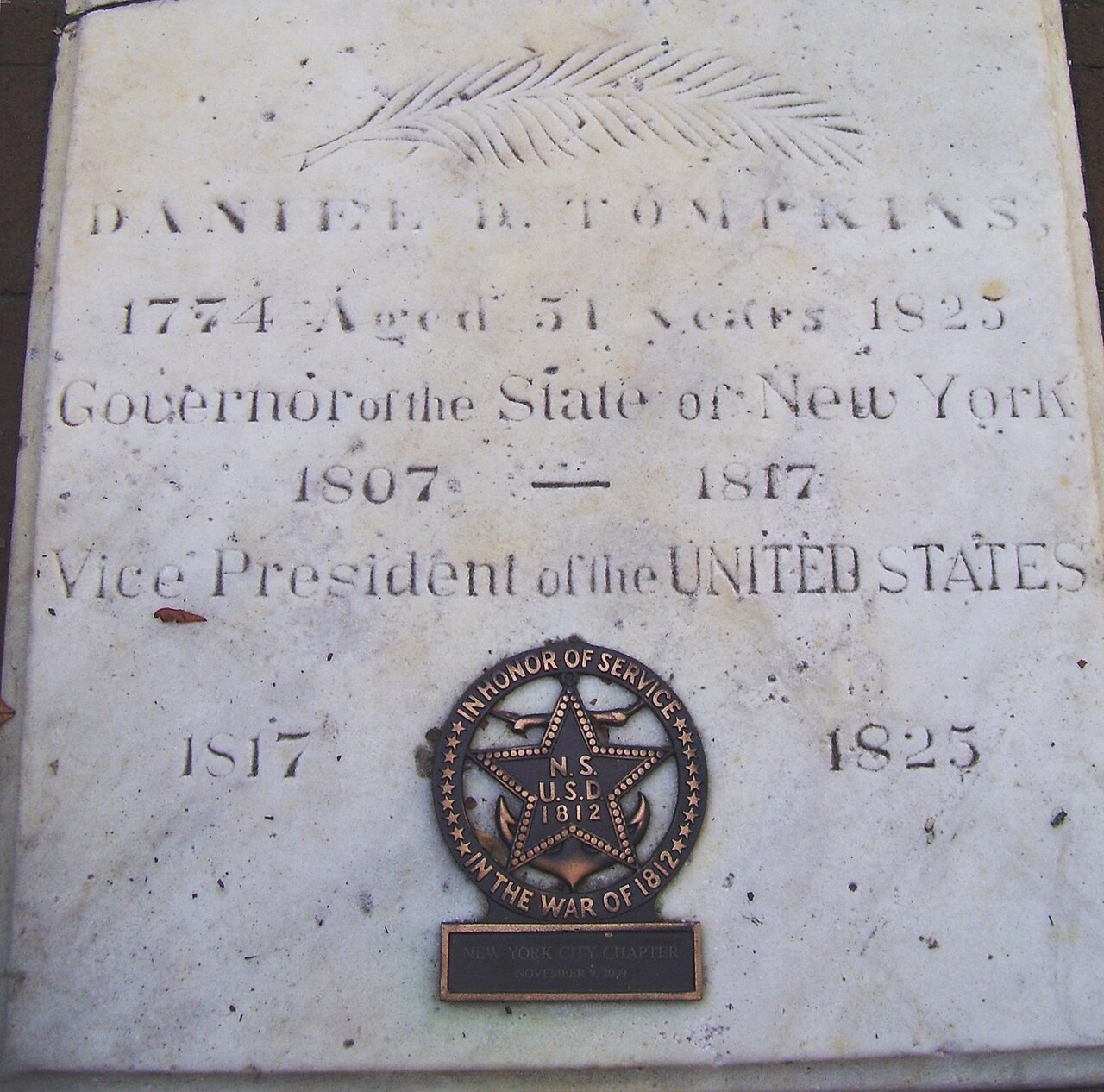
Daniel D. Tompkins (1774–1825), Governor of New York and U.S. Vice President
American lawyer and politician who served as governor of New York (1807–1817) and as the sixth U.S. vice president under James Monroe (1817–1825); noted for War of 1812 service and later financial troubles.
Overview
Daniel D. Tompkins (June 21, 1774 – June 11, 1825) was an American lawyer and statesman who played a prominent role in New York and national politics in the early 19th century. A member of the Democratic-Republican Party, he served as governor of New York and later as vice president of the United States during James Monroe's administration. His career combined legal work, elective office, and active involvement in state defense during the War of 1812.
Image gallery
5 Images


Early life and career
Tompkins trained in the law and entered public life at a relatively young age. He built a reputation as a capable jurist and public servant before winning statewide office. His legal background informed his approach to governance and legislative matters, and he was known for his organizational abilities as well as his political alliances within the dominant party of the era.
Governor and the War of 1812
As governor of New York (elected in the years leading up to and during the War of 1812), Tompkins focused on state defense and the mobilization of militia forces. Contemporary accounts emphasize his strenuous efforts to organize troops and supplies when British forces threatened the Atlantic coast and the Great Lakes region. Those efforts contributed to a later controversy about personal expenditures and state reimbursements.
Vice presidency (1817–1825)
Tompkins served two terms as vice president under President James Monroe. In that role he presided over the Senate and supported his party's national agenda during the Era of Good Feelings. His tenure as vice president was marked by periods of poor health and intermittent attendance, which limited his public activity in the nation's capital in his later years.
Legacy and notable facts
Tompkins's public life left a mixed legacy: he is remembered for wartime leadership and for holding high office, but also for financial difficulties that followed his service. Several places were later named in his honor, reflecting his prominence in New York. His career illustrates the close link between state and national politics in the early republic.
- Primary roles: entrepreneur, jurist, congressman, governor and ultimately U.S. vice president.
- Commemorations: Tompkins County and other local landmarks bear his name.
- Personal matters: his postwar finances and declining health attracted public attention and later historical study.
For readers seeking more detail, contemporary biographies and state histories provide fuller accounts of his gubernatorial policies, his role during the War of 1812, and the financial claims that affected his final years in public life.
Author
AlegsaOnline.com Daniel D. Tompkins (1774–1825), Governor of New York and U.S. Vice President Leandro Alegsa
URL: https://en.alegsaonline.com/art/137230