
Communication Studies: theory, methods, and practical applications
Overview of Communication Studies: core areas, common methods and courses, historical roots, career paths, and how it differs from related fields like journalism and media studies.
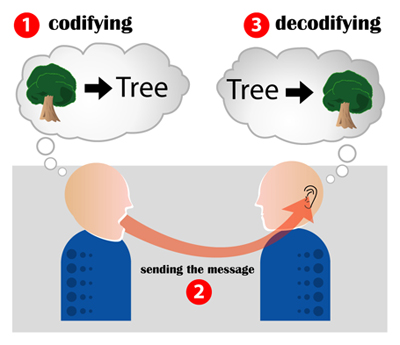
Communication Studies is the academic field devoted to examining how people create, send, receive and interpret messages in varied contexts. It treats communication as a process that depends on senders and receivers, channels, symbols and social context. Programs combine theory and practice to explore interpersonal interaction, group dynamics, organizational exchange, intercultural contact and public discourse. For a basic definition of the broader practice see communication.
Image gallery
2 Images
Core topics and courses
Typical curricula cover a range of topics and practical skills. Common course types include:
- Foundations of interpersonal communication and conflict management
- Public speaking and presentation techniques (speech study)
- Organizational and leadership communication
- Intercultural communication and diversity
- Mass communication, media literacy and digital platforms (media)
Methods and theoretical approaches
Scholars in the field use diverse methods: qualitative approaches such as interviews, ethnography and discourse analysis; quantitative tools like surveys and experiments; and critical or cultural studies that examine power, representation and ideology. Theoretical frames come from rhetoric, social psychology, sociology and cultural studies, allowing researchers to address both micro-level interactions and large-scale media effects.
Historically, the discipline traces its lineage to classical rhetoric and public argument, later expanding with the rise of mass media, radio and television. In the twentieth century communication coalesced as an interdisciplinary academic program combining humanities and social science techniques. Technological change — from printing presses to social networks — has continually reshaped its questions and methods.
Applications and careers
Communication studies graduates apply their skills across many sectors. Common career paths include public relations, corporate communication, advertising, journalism, broadcasting, human resources, health communication and policy analysis. Professionals use theory to design campaigns, manage crises, improve workplace flow and craft persuasive messages for public education or political engagement.
Distinctions worth noting: communication studies differs from journalism or film studies in emphasizing process, relationships and theory rather than primarily producing media content. It combines research and applied practice, training students in writing, presentation, critical thinking and ethical persuasion. For program details, course lists and professional resources, search institutional offerings or introductory guides on communication and related areas like media.
Author
AlegsaOnline.com Communication Studies: theory, methods, and practical applications Leandro Alegsa
URL: https://en.alegsaonline.com/art/136875