
Coal City, Illinois
Coal City is a small village in Illinois, United States, historically linked to coal mining and now a residential community with local businesses, schools, parks and community events.
Coal City is a village in Illinois, in the United States. Its name reflects the community's origins as a center for coal mining and for decades the settlement grew around mines, rail lines and related industries. Today it functions as a small, mixed residential and commercial community with local services and a sense of regional history.
Image gallery
3 Images
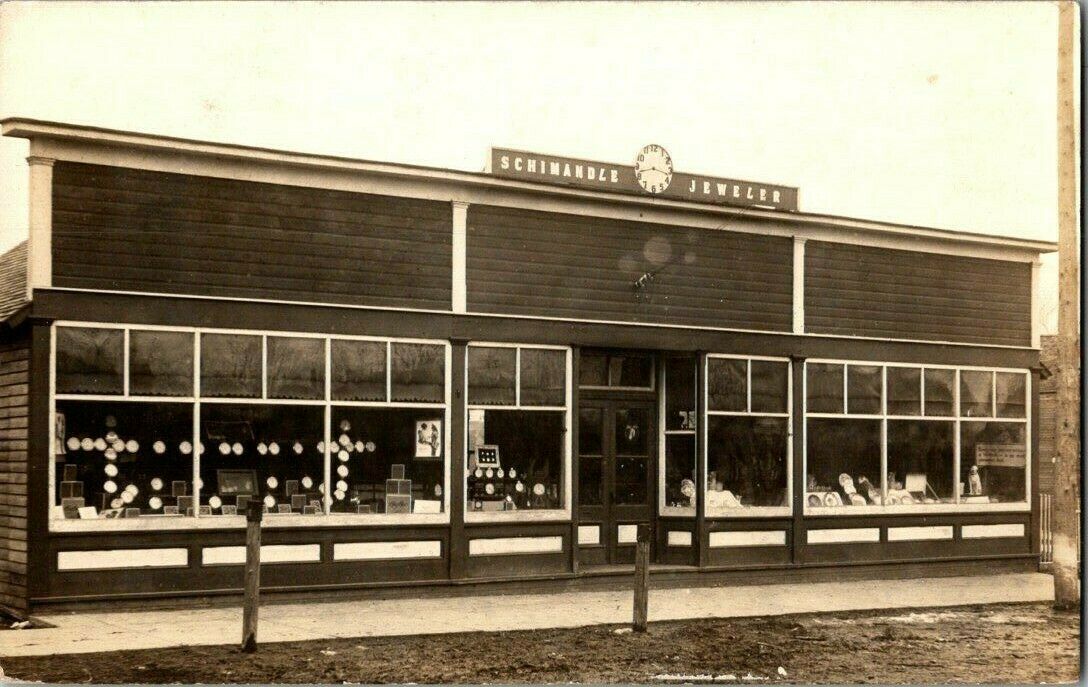

Overview and character
The village has a compact downtown, residential neighborhoods and recreational areas. Housing ranges from older, modest homes tied to the town's industrial past to newer subdivisions built as the area attracted commuters and families. Public amenities commonly include parks, athletic fields, a library branch and municipal services managed by a village board or similar local government.
History and development
Coal City developed in the 19th century when coal deposits in the region were exploited for local use and shipment to larger markets. Mining shaped the early economy, population patterns and transportation links. Over time, as mining declined, the community diversified into other trades, small manufacturing and service industries, while many residents commuted to jobs in nearby urban centers.
Economy, institutions and activities
Local life centers on small businesses, schools, churches and civic organizations. Public schools provide primary and secondary education; community events, parades and seasonal festivals mark the civic calendar and reinforce local identity. Recreation options typically include parks, walking trails and sports leagues that serve families and youth.
Notable aspects and distinctions
- Heritage: The town's name and local place names recall its coal-mining past.
- Community scale: It retains a village atmosphere with close-knit civic life rather than large-city anonymity.
- Local governance: Decisions are made at the village level, often by an elected board and municipal staff.
For those researching regional history, urban change or the legacy of extractive industries in the Midwest, Coal City is a representative example of a small American village that transitioned from resource extraction toward a more varied local economy while preserving elements of its past.
Author
AlegsaOnline.com Coal City, Illinois Leandro Alegsa
URL: https://en.alegsaonline.com/art/136751