
Brăila — Danube port city in eastern Romania
Brăila is a historic port city on the Danube in eastern Romania, capital of Brăila County. Known for river trade, 19th–20th century architecture, industrial activity and cultural institutions.
Overview
Brăila is a city in the historical region of Muntenia, located in the eastern part of Romania. It serves as the administrative center of Brăila County and sits on the left bank of the Danube River. Long established as a river port and commercial hub, Brăila has been an important point for shipping, agriculture trade and regional transport. As recorded in the 2002 census, about 216,300 people were living in Brăila.
Image gallery
10 Images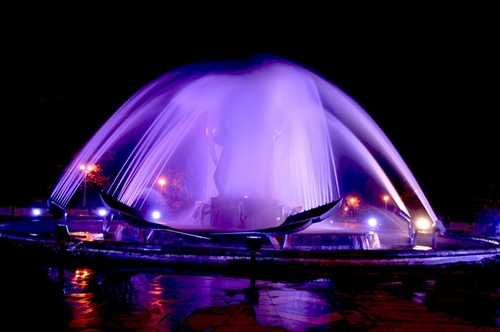


Geography and economy
The city lies on a broad, low plain beside a major navigable stretch of the Danube. This position shaped its economy: port facilities, grain and bulk cargo handling, ship repair and light industry have been central activities. Surrounding farmland supplies agricultural goods processed or exported through Brăila, while urban services and small manufacturing complement the local economy.
History and development
Brăila has medieval origins and rose in importance during Ottoman and later 19th-century phases when Danube trade expanded. In the 1800s the city grew rapidly as grain and commodity exports increased, producing a boom in commercial buildings and infrastructure. Through the 20th century industrialization and modernization altered the urban fabric but Brăila retained its role as a regional transport node.
Culture, architecture and public life
Brăila's urban centre features a mix of 19th- and early 20th-century architecture, including merchant houses, civic buildings and promenades along the riverfront. Cultural life includes theaters, museums and festivals that reflect local history and Danube traditions. Public spaces near the quay remain focal points for recreation and commerce.
Transport and port facilities
- Danube port operations handle bulk freight, general cargo and river shipping important to inland and international routes.
- Road and rail links connect Brăila to other Romanian cities and to Black Sea corridors, supporting logistics and passenger travel.
- Ferries and smaller river services maintain links across and along the Danube for nearby communities and industry.
Today Brăila is regarded as one of Romania's larger river ports and a city with a layered history of commerce and cultural life. Its riverside setting and historic core continue to shape local identity and economic roles in the region.
Related articles
Author
AlegsaOnline.com Brăila — Danube port city in eastern Romania Leandro Alegsa
URL: https://en.alegsaonline.com/art/13652
Sources
- insse.ro : Population of counties, municipalities and towns