
Caroline County, Virginia: overview, history, and key facts
Caroline County is a largely rural county in the U.S. Commonwealth of Virginia. This article summarizes its geography, population, history, economy, and notable features, including the county seat Bowling Green.
Overview
Caroline County lies in the eastern part of the Commonwealth of Virginia and is one of the many local jurisdictions of the United States. It is characterized by farmland, small towns and stretches of forested countryside that link larger urban centers. According to the 2010 census, the county had 28,545 residents, a figure that reflects its predominantly rural settlement pattern.
Image gallery
4 Images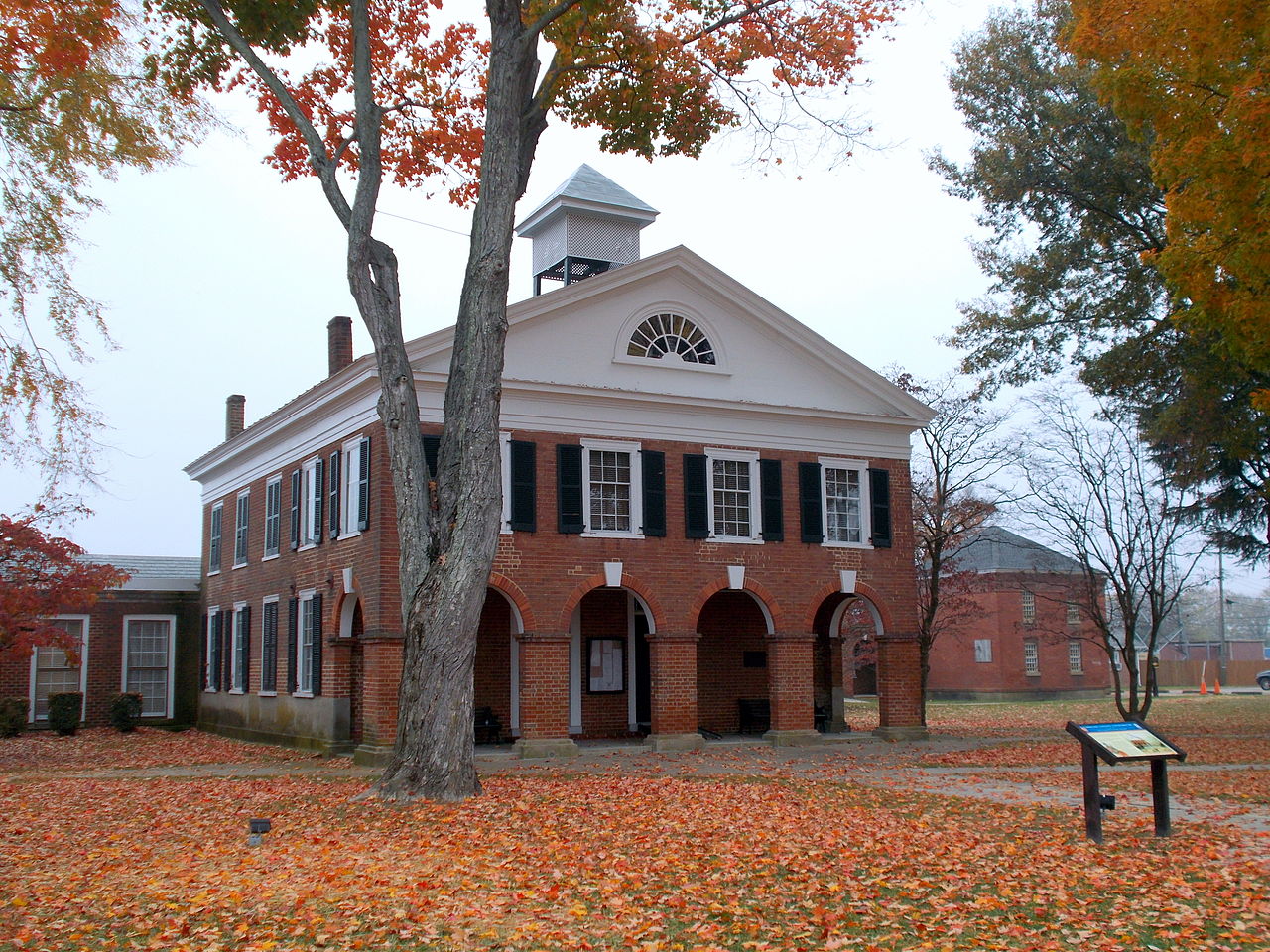


Geography and communities
The county’s landscape combines agricultural fields with river valleys and wooded areas. The administrative center and principal town is Bowling Green, which serves as the county seat. Many inhabitants live in small unincorporated communities and on working farms, and the county functions as a link between nearby metropolitan areas while retaining a distinctly rural character.
History
Caroline County was established in the colonial era and carries a history typical of Virginia’s inland counties: early settlement, agricultural development, and gradual changes through the 19th and 20th centuries. Its name commemorates a member of the British royal family, reflecting colonial-era naming practices. Historic homes, churches and rural roads attest to the county’s long-settled landscape.
Economy, transportation and notable features
The local economy relies on agriculture, small businesses, and services that support residents and commuters. Major highways passing through the county connect it to larger job centers, and military and recreational installations in the region influence local activity. Protected natural areas and community events contribute to local identity and quality of life.
Why it matters
- Serves as a rural link between larger cities and contributes agricultural products to regional markets.
- Contains historical and cultural resources that reflect Virginia’s colonial and agricultural past.
- Offers recreational and natural spaces valued by residents and visitors.
Author
AlegsaOnline.com Caroline County, Virginia: overview, history, and key facts Leandro Alegsa
URL: https://en.alegsaonline.com/art/136149