
Clube de Regatas do Flamengo (Flamengo)
Brazilian sports club from Rio de Janeiro best known for its football team; a major cultural institution with a large national following and a long history in multiple sports.
Overview
Clube de Regatas do Flamengo, commonly called Flamengo, is a multi-sport club based in the Gávea neighborhood of Rio de Janeiro. Founded as a rowing club, Flamengo is internationally best known for its professional football side and for being one of the most widely supported clubs in Brazil and the Americas. Its identity is strongly associated with the red-and-black colors and the interlaced monogram that appears on the club crest.
Image gallery
10 Images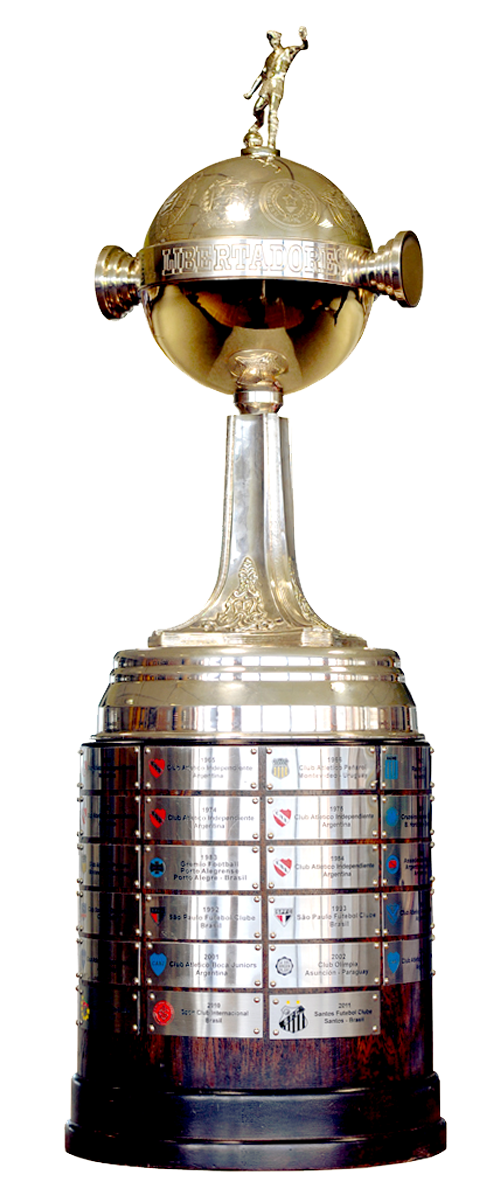


History and development
Flamengo began as a rowing organization in the late 19th century and later added football and other sports. Over the 20th century the club grew into a major sporting and social institution in Rio, expanding its activities, youth programs and stadium presence. Flamengo's football department became a flagship, producing celebrated teams and players and competing at the highest levels nationally and internationally.
Identity, stadium and supporters
The club is commonly known by nicknames such as Mengão and Rubro-Negro. Flamengo traditionally wears red and black horizontal stripes. While the club's official training and social facilities are in Gávea, its football matches are frequently played at large venues around the city, most notably the Maracanã. The club commands a very large and passionate fanbase across Brazil.
Sports, departments and development
Although football is the most prominent department, Flamengo remains active in rowing and supports other sports such as basketball, volleyball, and athletics. The club runs youth academies and community outreach programs, focusing on talent development and local engagement. Its organizational model blends professional sport management with broad social activities.
Achievements and notable figures
Flamengo has won multiple national championships and important continental competitions, establishing itself among Brazil's most successful clubs. Over the years it has featured influential players and coaches who contributed to Brazilian and world football. The club continues to attract high-profile players and to compete for top honors in domestic and international tournaments, maintaining a significant presence in continental competitions like the Copa Libertadores professional football circuit.
Distinctions and cultural impact
Flamengo's cultural influence reaches beyond sport: it is part of Rio's social fabric, linked to music, popular culture and civic life. Rivalries with other big Rio clubs are central to local sporting culture and generate major public interest. The club's badge, songs and matchday rituals are widely recognized symbols of popular passion for football in Brazil.
- Founded: late 19th century (originally as a rowing club)
- Colors: red and black
- Nicknames: Mengão, Rubro-Negro
- Main sport: football (professional and youth)
Author
AlegsaOnline.com Clube de Regatas do Flamengo (Flamengo) Leandro Alegsa
URL: https://en.alegsaonline.com/art/135944