
Club Atlético Huracán
Argentine sports club from Parque Patricios, Buenos Aires, best known for its football team 'El Globo', historic Estadio Tomás Adolfo Ducó, early 20th‑century origins and its 1973 Metropolitano title.
Overview
Club Atlético Huracán is a historic sports club based in the Parque Patricios district of Buenos Aires. Founded on November 1, 1908, the organisation is best known for its professional football team, which has spent much of its history in the top tier of Argentine competition, the Primera División. The club is commonly referred to as "Huracán" and nicknamed "El Globo" (the Balloon), a reference embedded in its crest and public image.
Image gallery
10 Images



Origins and name
Huracán was established in the early 20th century in the Nueva Pompeya area and later consolidated its home in Parque Patricios. The club's name and emblem derive from a balloon flown by the pioneer Jorge Newbery in 1909; that aeronautical association gave rise to the "Globo" motif that remains central to the club's identity (Huracán balloon). Supporters are often called "los Quemeros" (the Burners), a nickname linked to the historical use of nearby land for refuse burning before the neighbourhood was redeveloped.
Stadium, colours and crest
Huracán's traditional home is the Estadio Tomás Adolfo Ducó, known colloquially as "El Ducó". The ground sits in Parque Patricios and is an established local landmark. The team's colours are predominantly white with a red diagonal sash, and the balloon symbol features prominently on club badges, flags and matchday banners. These visual elements are important to the club's identity and local culture.
Sporting history and honours
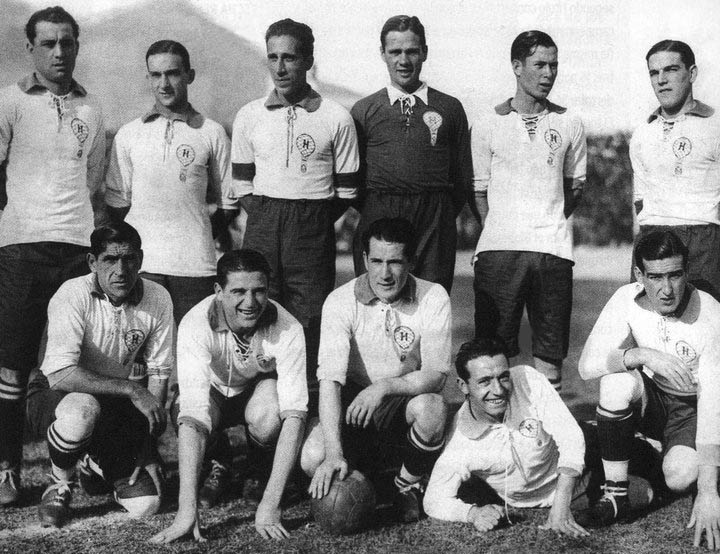
During the amateur era Huracán won several national championships in the 1920s, with league successes frequently cited among the club's proudest achievements. In the professional era the club's most celebrated title is the 1973 Metropolitano championship. Huracán has also finished as runner‑up on multiple occasions and, according to historical records, was runner‑up five times during the professional period, most recently in the 2009 Clausura tournament.
Style and notable figures
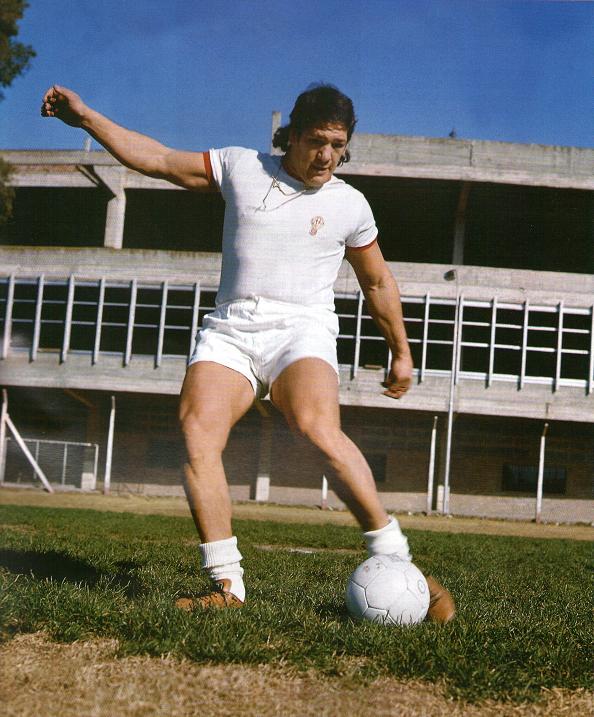
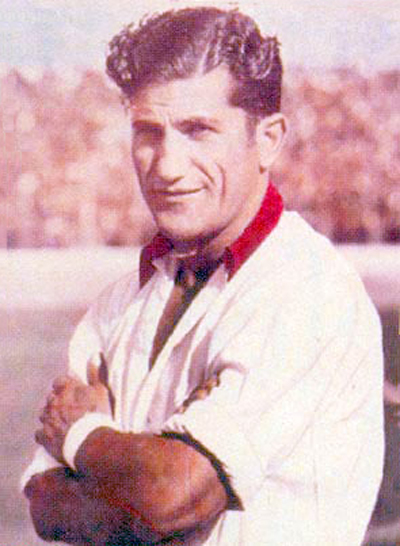
Huracán teams are often remembered for an attractive, attacking style of play, especially during periods of on‑field success. Over the decades the club has been associated with several players who achieved national recognition and represented Argentina at international level. Among these figures are locally revered players who are regularly mentioned in accounts of the club's sporting legacy.
Rivalries and supporters
The club maintains intense local rivalries, the most prominent being with neighbouring San Lorenzo de Almagro. Matchdays can be passionate affairs, with a distinctive supporter culture made visible through chants, banners and neighbourhood traditions. Huracán fans are notable for their loyalty and for activities that connect the club to the Parque Patricios community.
Community role and other sports
Beyond professional football, Huracán operates as a broader sports club and maintains amateur teams, youth development programs and social initiatives aimed at local residents. The club's facilities and outreach projects contribute to grassroots sport and community life in Parque Patricios and across Argentina.
Organisation and youth development
Like many traditional clubs in the country, Huracán places emphasis on its youth academy as a source of talent and community engagement. The academy has historically provided players for the senior squad and, at times, supplied players to other professional clubs and national youth teams. Developmental work remains a central part of the club's sporting strategy.
Legacy and cultural significance
Huracán occupies a distinctive place in Buenos Aires football culture. Its emblematic balloon, the white-and-red sash, and the longstanding presence of the Estadio Tomás Adolfo Ducó combine to make the club a recognizable symbol of its neighbourhood. The club's history reflects broader themes in Argentine sport: local identity, the transition from amateur to professional competition, and the social role of football clubs in urban communities.
Honours (selected)
- Primera División (professional era): Metropolitano 1973.
- Primera División (amateur era): championships in the 1920s, commonly listed for 1921, 1922, 1925 and 1928.
- Multiple runner‑up finishes during the professional era, including a noted second place in the 2009 Clausura.
Further information
For season-by-season records, current squad lists and recent results, official club communications and national competition archives are the most reliable sources. Contemporary histories and analyses of Argentine football provide additional context on Huracán's sporting and social contributions to Buenos Aires.
Related links: Parque Patricios, Argentina, football, Huracán balloon, Primera División, San Lorenzo.
Questions and answers
Q: Where is Club Atlético Huracán located?
A: Club Atlético Huracán is located in the Parque Patricios neighbourhood of Buenos Aires, Argentina.
Q: In which league does the Huracán football team play?
A: The Huracán football team currently plays in the Primera A, the first level of the Argentine football league system.
Q: What is the name of the Huracán home stadium?
A: The Huracán home stadium is the Estadio Tomás Adolfo Ducó.
Q: When was Huracán founded?
A: Huracán was founded on November 1, 1908, in the Nueva Pompeya neighbourhood of Buenos Aires.
Q: What is the origin of the club's name and nickname?
A: The club's name and nickname (Globo, literally "Balloon") come from the Huracán balloon flied by Jorge Newbery in 1909.
Q: Why are the club supporters called los Quemeros?
A: The club supporters are called los Quemeros ("the Burners") because the stadium is in a former garbage burning area.
Q: How many first division titles has Huracán won during the professional era?
A: During the professional era, Huracán won the Primera División title just once (the 1973 Metropolitano).
Author
AlegsaOnline.com Club Atlético Huracán Leandro Alegsa
URL: https://en.alegsaonline.com/art/135925