
Bunkyō (Bunkyō-ku): Tokyo ward known for universities, parks, and culture
Bunkyō is one of Tokyo's 23 special wards. A compact, academically oriented district, it hosts historic gardens, major universities and cultural sites and calls itself “Bunkyo City.”
Overview
Bunkyō (文京区, Bunkyō-ku) is one of the 23 special wards of Tokyo, Japan. Its Japanese name—literally "literary capital"—reflects a long association with education, publishing and cultural institutions. The municipal government uses the English name "Bunkyo City" in its communications.
Image gallery
10 Images



Geography and character
Occupying a relatively small area in central Tokyo, Bunkyō combines quiet residential neighborhoods with busy academic precincts and pocket parks. Streets near university campuses display cafes, bookstores and student housing, while other districts feature a mix of local shops, municipal offices and green spaces that serve nearby residents.
History and development
The modern ward was created in the postwar reorganization of Tokyo in 1947 by merging older administrative areas. Over the 20th century Bunkyō evolved from feudal-era estates and temples into an urban district shaped by higher education, research institutions and cultural preservation—factors that continue to influence planning and identity today.
Notable institutions and landmarks
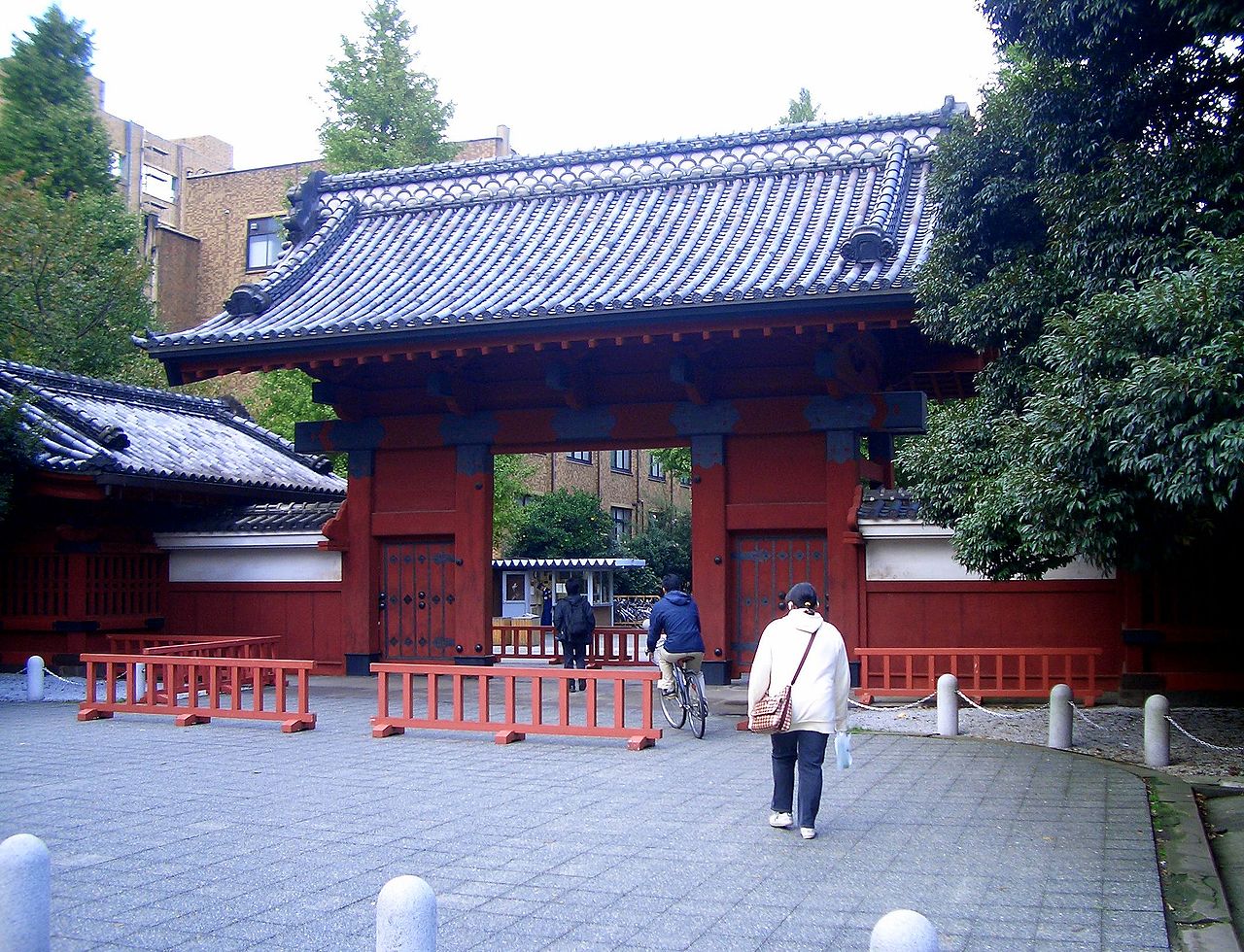
- University of Tokyo (Hongo campus) — a major national university whose historic campus anchors academic life in the ward.
- Tokyo Dome and Korakuen area — a large entertainment and sports complex adjacent to shopping and leisure facilities.
- Koishikawa Korakuen and Rikugien Gardens — two well-preserved traditional gardens popular for seasonal viewing and cultural events.
- Museums, small publishers and research institutes that reflect the ward’s scholarly reputation.
Transport links are dense: several subway and commuter rail lines serve the ward, making it convenient for students, workers and visitors. The local economy leans on education, culture, municipal services and small-to-medium businesses rather than heavy industry.
For administrative matters and visitor information, the ward office provides services and online resources; see the municipal site often labeled as Bunkyo City for official announcements and practical details. Bunkyō’s mix of tradition, learning and urban life makes it one of Tokyo’s distinctive inner wards.
Author
AlegsaOnline.com Bunkyō (Bunkyō-ku): Tokyo ward known for universities, parks, and culture Leandro Alegsa
URL: https://en.alegsaonline.com/art/135840