
Brazos River
Major river of the south-central United States, flowing from New Mexico through Texas to the Gulf of Mexico; known for its length, drainage basin, history, and role in regional water use and ecology.

The Brazos River is a principal watercourse of the south-central United States that rises on the high plains and empties into the Gulf of Mexico. Historically called the Río de los Brazos de Dios by Spanish explorers, it measures about 1,280 miles in length and drains roughly 45,000 square miles. Its headwaters originate near Blackwater Draw in Curry County, New Mexico and the river follows a generally southeastward path to its mouth at the Gulf of Mexico; for context about its terminus see this reference and the broader coastal setting at the Gulf. The river's watershed is described in region-wide overviews of drainage basins here.
Image gallery
9 Images


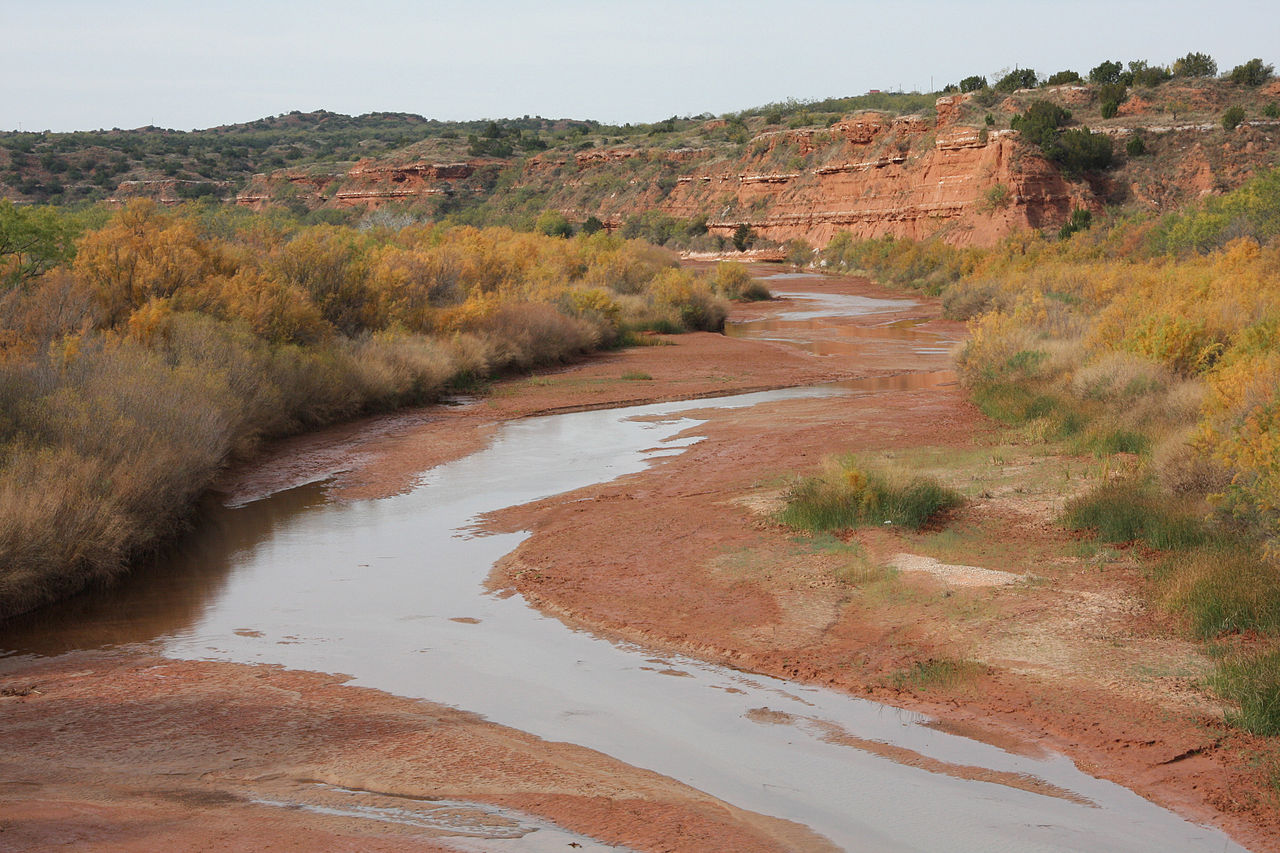


Course and physical characteristics
The Brazos flows from the Llano Estacado and across broad plains into coastal lowlands. Along its route the channel alternates between relatively narrow, incised stretches and wide, meandering floodplains. Seasonal rainfall and upstream runoff produce substantial variation in discharge, which contributes to periodic flooding in low-lying reaches and affects sediment transport. Human alterations such as reservoirs and channel works have modified flow patterns for flood control, municipal supply and recreation.
History and cultural significance
Native American groups used the Brazos and its tributaries for hunting and seasonal camps long before European contact. Spanish explorers named the river in the 16th–18th centuries, and it later served as a geographic landmark during Anglo-American settlement of Texas. Towns and agricultural districts developed along the river because of the access to water and fertile alluvial soils.
Uses and management
Today the Brazos supports multiple uses: municipal and agricultural water supply, recreation (boating, fishing, wildlife viewing) and limited navigation in some reaches. Reservoirs and detention basins on the river and its tributaries provide storage for droughts and flood control. Water-resource managers and conservation groups work to balance human demands with ecological needs, addressing issues such as water quality, habitat loss and invasive species.
Ecology and notable facts
- Riparian corridors along the Brazos support a range of habitats, from riparian woodlands to coastal wetlands, and sustain fish and bird populations.
- The river is among the longest in the United States and is one of Texas's major river systems.
- Its variable flow regime and extensive floodplain make it important for regional groundwater recharge and wetland function, while also posing management challenges for flood mitigation and development.
Understanding the Brazos requires attention to its physical geography, historical role in settlement and commerce, and contemporary importance for water supply and conservation. Ongoing monitoring and management aim to sustain the river's services for people and wildlife across a large and diverse watershed.
Author
AlegsaOnline.com Brazos River Leandro Alegsa
URL: https://en.alegsaonline.com/art/135623