
Boonville, Missouri
Boonville is a small city on the Missouri River in Cooper County, Missouri. It serves as the county seat, had a population of 8,319 at the 2010 census, and is known for 19th‑century river history and Civil War ties.
Overview
Boonville is a city in Cooper County, Missouri, United States. It serves as the county seat and had a population of 8,319 at the 2010 census. The community lies along the Missouri River and developed as a river port and regional market town in the 19th century. Its location near major transportation routes has shaped its economy and role in the region.
Image gallery
6 Images


History and development
Boonville grew up in the early 1800s as settlers moved westward and river traffic expanded. The town takes its name from the Boone family, early American frontierspeople associated with the region. Boonville's riverfront and flatlands made it a practical stop for steamboats, and it later connected to inland trade routes and highways. During the American Civil War the town was the scene of a small but significant engagement in 1861 that helped set control of central Missouri early in the conflict.
Characteristics and economy
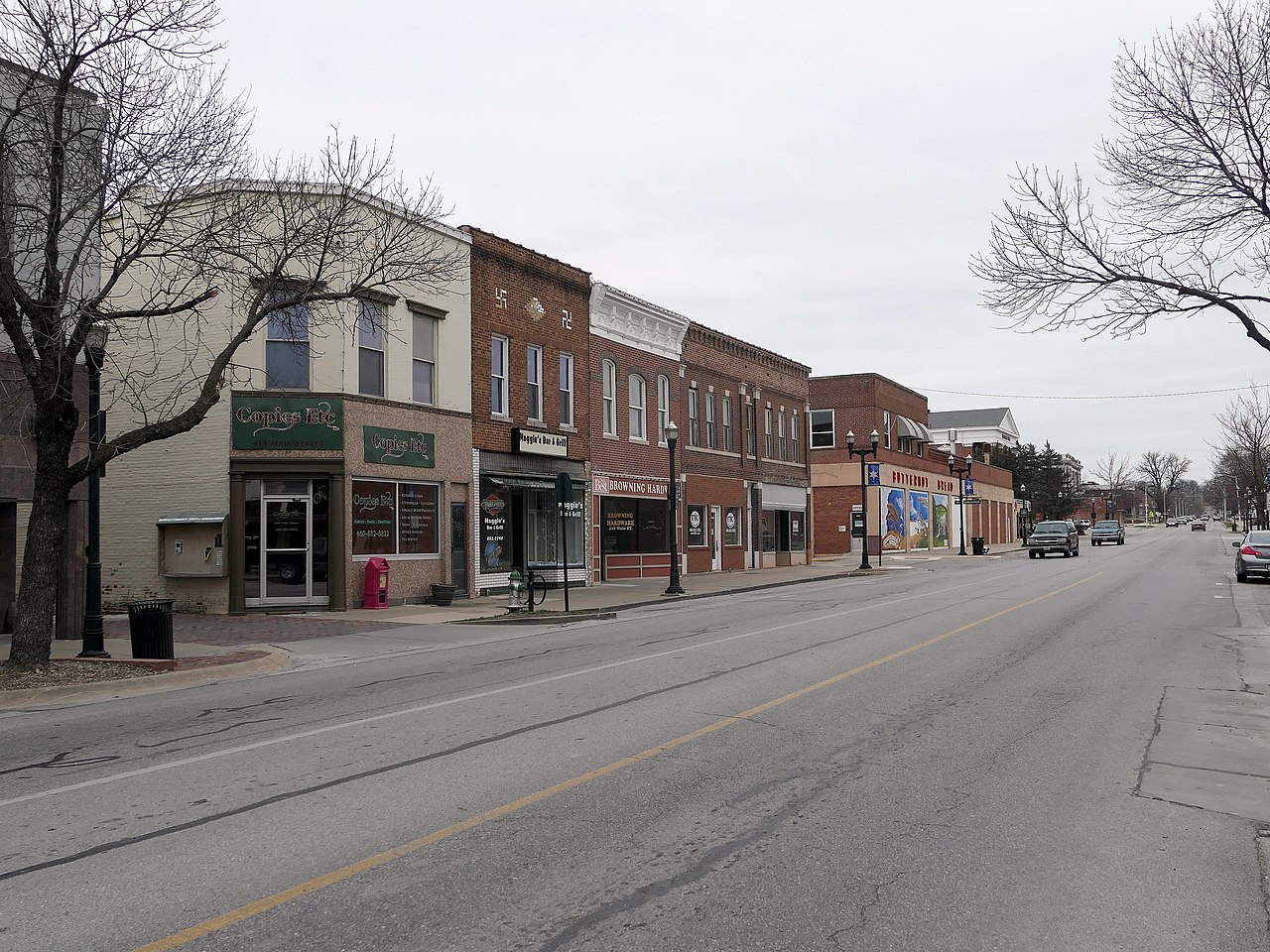
The city features a mix of historic brick downtown buildings, residential neighborhoods, and civic structures such as the county courthouse. Agriculture and light manufacturing play roles in the local economy, alongside services that support county government and regional commerce. Proximity to the Missouri River and recreational corridors has encouraged tourism and outdoor activities.
Points of interest
- Historic downtown district with 19th‑century architecture and local shops.
- Cooper County Courthouse and other civic landmarks reflecting regional history.
- Access to the Katy Trail and riverfront areas popular with cyclists and anglers.
- Museums and markers that interpret the town's river and Civil War heritage.
Notable facts and distinctions
Boonville is widely recognized for its early role as a Missouri River port and for the Civil War engagement that bears the town's name. Today it balances preservation of historic sites with contemporary community life, hosting events and serving as an administrative center for Cooper County. Visitors often come for outdoor recreation on the nearby trail and river, for local history, and for the compact character of its downtown.
Author
AlegsaOnline.com Boonville, Missouri Leandro Alegsa
URL: https://en.alegsaonline.com/art/135514