
Andrew Bonar Law — British Conservative leader and short‑term Prime Minister
Andrew Bonar Law (1858–1923), Conservative leader and UK Prime Minister (Oct 1922–May 1923); born in New Brunswick, entered Parliament in 1900, led Conservatives out of the wartime coalition, resigned because of throat cancer.
Andrew Bonar Law (16 September 1858 – 30 October 1923), usually referred to simply as Bonar Law, was a leading British Conservative politician who served briefly as Prime Minister of the United Kingdom. He is remembered for his role in reorganizing the Conservative Party in the early 20th century, for helping to end the wartime coalition of David Lloyd George, and for a short premiership cut short by illness. For a concise overview see summary sources.
Image gallery
10 Images


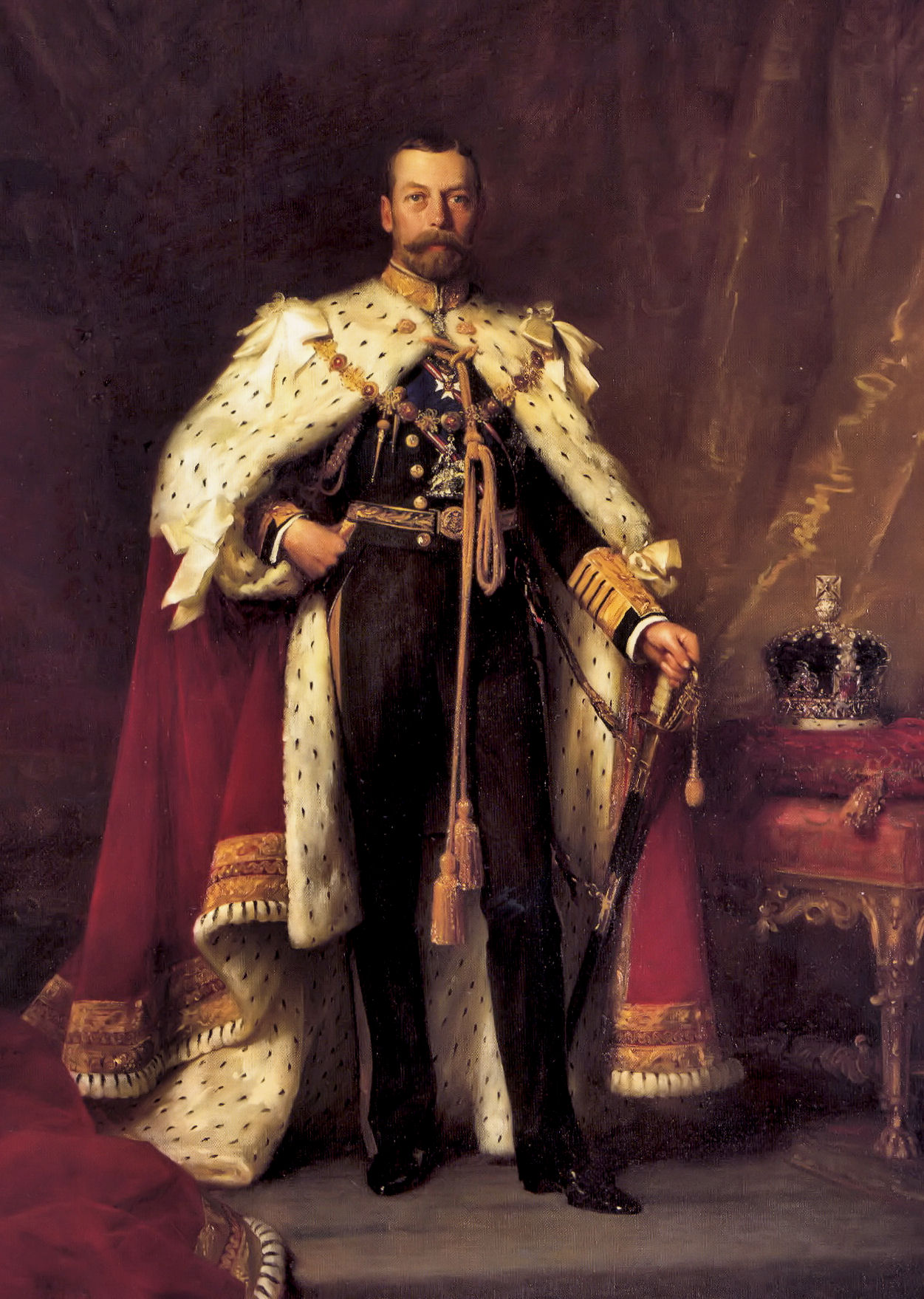

Early life and entry into politics
Bonar Law was born in what was then British North America (Rexton, New Brunswick) and later moved to Britain to pursue a business career before entering politics. He won a seat in the House of Commons at the general election of 1900, marking the start of a parliamentary career that would bring him to the leadership of his party. His background outside the British Isles made him one of the few 20th‑century British leaders born abroad. More on his parliamentary beginnings can be found via biographical sources.
Conservative leadership and wartime role
After rising through party ranks, Bonar Law became leader of the Conservative Party in 1911. During the First World War, the UK government formed coalition ministries to manage the national war effort; Bonar Law played a prominent part in these wartime political arrangements and in coalition discussions. He earned a reputation as an effective organizer and an able negotiator within his party, shaping Conservative positions on national defence, trade and imperial questions. Contemporary material and analyses are available at party histories and accounts of the period.
The break with Lloyd George and the 1922 reunion
In 1922 Bonar Law presided over a decisive Conservative withdrawal of support from the coalition government led by David Lloyd George. The decision, often associated with the Carlton Club meeting, ended the wartime alliance and paved the way for a Conservative administration. That political turning point is frequently cited in studies of interwar British politics; see commentary at related analyses.
Prime ministership and policies
Appointed Prime Minister in October 1922, Bonar Law led a government focused on post‑war economic readjustment, fiscal consolidation and restoring Conservative organization after the strains of coalition government. His time in office was short but concentrated on stabilizing public finances and addressing domestic issues left unresolved by the war years. For contemporary records of his administration and its priorities consult archival summaries.
Key points about his premiership include:
- Duration: October 1922 to May 1923.
- Emphasis on party unity and post‑war economic management.
- Limited time to enact wide‑ranging reforms because of declining health.
Illness, resignation and legacy
Shortly after taking office Bonar Law developed a serious illness that was later diagnosed as throat cancer. His health deteriorated rapidly, forcing him to resign in May 1923. He died in October of the same year. Historians often note the contrast between his strong role as a party organiser and his curtailed tenure as Prime Minister; had he remained in office longer, he likely would have left a larger imprint on Conservative policy in the 1920s.
Bonar Law's career is significant for several reasons: his management of party affairs at a turbulent time, his instrumental part in ending the Lloyd George coalition, and his brief stewardship of the country in the difficult post‑war era. For further reading and primary documents consult the linked resources above.
Author
AlegsaOnline.com Andrew Bonar Law — British Conservative leader and short‑term Prime Minister Leandro Alegsa
URL: https://en.alegsaonline.com/art/135481