
Bob Armstrong (Joseph Melton James) — American professional wrestler
American professional wrestler (1939–2020) known for a 50-year career in the National Wrestling Alliance, regional championships across the U.S. Southeast, and induction into the WWE Hall of Fame.
Overview
Bob Armstrong, born Joseph Melton James (October 3, 1939 – August 27, 2020), was an American professional wrestler whose career spanned roughly five decades. He worked primarily within the National Wrestling Alliance (NWA) system and became a well-known figure in the territorial era of professional wrestling. In recognition of his career, he was inducted into the WWE Hall of Fame in 2011.
Image gallery
2 Images
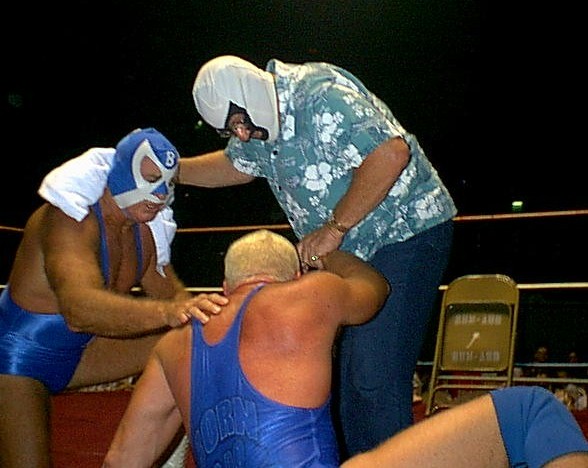
Career and in-ring style
Armstrong competed mainly in the Southeastern United States and developed a reputation for durability and adaptability. His matches included singles competition, tag team bouts, and regional title feuds typical of the NWA territories. While not a national television megastar in the modern sense, he was a respected performer who drew crowds across multiple promotions and maintained relevance through changing eras of the industry.
Championships and notable accomplishments
Over a career of about fifty years, Armstrong collected numerous regional championships and was repeatedly featured in headline programs throughout the Southeast. His accomplishments are often cited in histories of the territorial period as representative of a successful regional veteran who helped sustain local wrestling territories into the 1980s and 1990s.
- Long-standing presence in NWA-affiliated promotions.
- Multiple regional title reigns across southeastern states.
- Induction into the WWE Hall of Fame as recognition of lifetime contribution.
Personal life and legacy
Armstrong was born in Marietta, Georgia; his connection to the region remained a defining aspect of his career and identity. His family continued his wrestling legacy: his four sons — Joseph, Robert Bradley, Steve and Brian — all entered the professional wrestling business. That family tradition contributed to his standing as a patriarchal figure in regional wrestling circles.
Death and remembrance
Armstrong died on August 27, 2020, in Pensacola, Florida, after a battle with bone cancer. Obituaries and tributes recalled his work ethic, influence on peers and younger performers, and his role during the territorial era. For further background on his life and career, see additional sources and biographical summaries here and geographical references for his early life here.
Author
AlegsaOnline.com Bob Armstrong (Joseph Melton James) — American professional wrestler Leandro Alegsa
URL: https://en.alegsaonline.com/art/135448