
Blood, Sweat & Tears — American jazz‑rock band formed in 1967
American jazz‑rock ensemble formed in 1967, known for blending brass‑driven arrangements with rock, pop and jazz; major late‑1960s hits and a rotating lineup that shaped jazz‑fusion’s mainstream reach.
Blood, Sweat & Tears is an American band that rose to prominence in the late 1960s by fusing jazz sensibilities with rock and pop. Formed in 1967 in New York, the group combined a conventional rock rhythm section with a prominent horn ensemble and arrangements drawn from jazz, blues and classical sources. For an overview see band profile.
Image gallery
2 Images
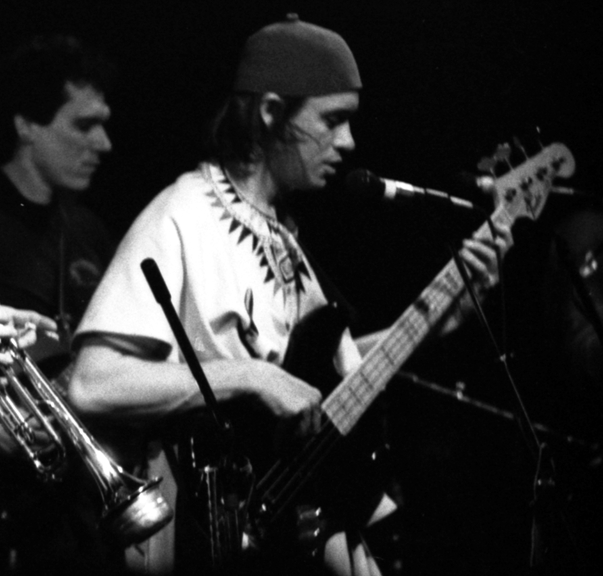
Musical approach and characteristics
The band is noted for its brass-driven sound: trumpet, trombone and saxophone parts play a central role alongside electric guitar, bass and keyboards. Their arrangements often alternate tight ensemble unison, big‑band harmonies and moments of improvisation. This synthesis of styles helped make complex jazz textures accessible to a broader rock and pop audience and is commonly associated with the wider jazz fusion movement.
History and development
Originally organized by musicians interested in blending genres, the group’s personnel changed substantially early on. The first album reflected one founding lineup; subsequent releases featured new singers and arrangers who steered the band toward greater commercial success. Their late‑1960s recordings brought them widespread radio play and large concert audiences.
Notable recordings and songs
- Several late‑1960s singles became mainstream hits and receive continued airplay.
- Key tracks showcase the band’s mix of rock hooks and brass textures.
- Studio albums from that era solidified their reputation as one of the best‑known jazz‑rock acts.
The group’s catalog includes both original compositions and reinterpretations of songs from other genres, presented with sophisticated horn charts and studio production that aimed to bridge jazz artistry and pop accessibility.
Legacy and distinctions
Blood, Sweat & Tears played a significant role in bringing jazz‑influenced arrangements into mainstream rock and pop contexts. They influenced later jazz‑rock and fusion acts and demonstrated how large brass sections could function within a popular music format. Over decades the band continued to record and tour with a rotating roster of musicians, a notable feature that kept the name active even as personnel evolved.
For further reading or resources, consult the linked overview pages above to explore discography, personnel timelines and contemporary assessments of the band’s place in late‑20th‑century music history.
Author
AlegsaOnline.com Blood, Sweat & Tears — American jazz‑rock band formed in 1967 Leandro Alegsa
URL: https://en.alegsaonline.com/art/135405