
Best, Netherlands: overview, history, and local features
Best is a municipality and town in the Dutch province of North Brabant, near Eindhoven. This article summarizes its location, population, history, economy, transport links and notable features.
Best is a municipality and town in the Netherlands located in the southern part of the country. Administratively it is part of the province of North Brabant and governed as a local municipality. In 2019 the population was about 29,821, making Best a small but compact community often associated with the Eindhoven metropolitan area.
Image gallery
8 Images

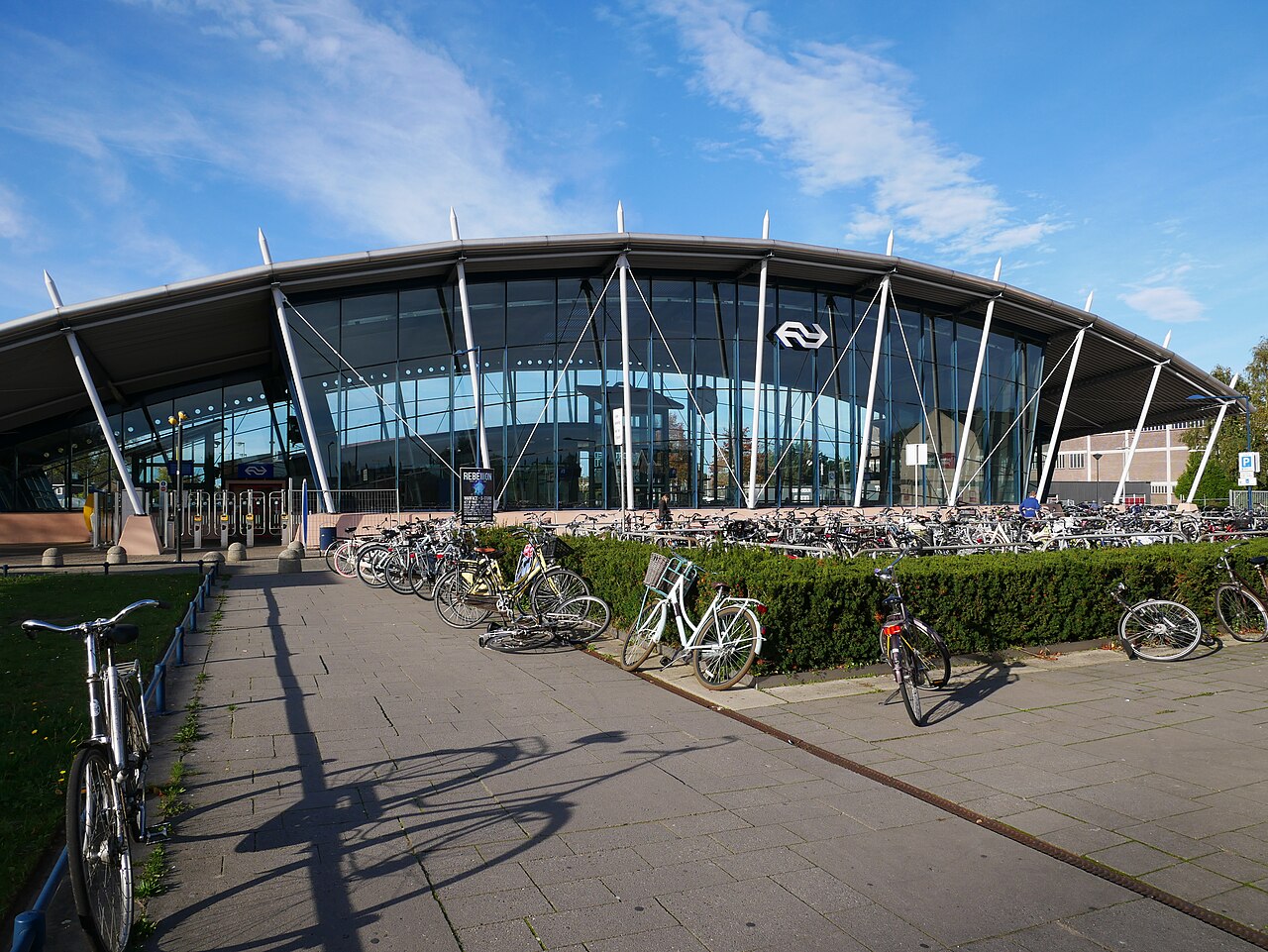

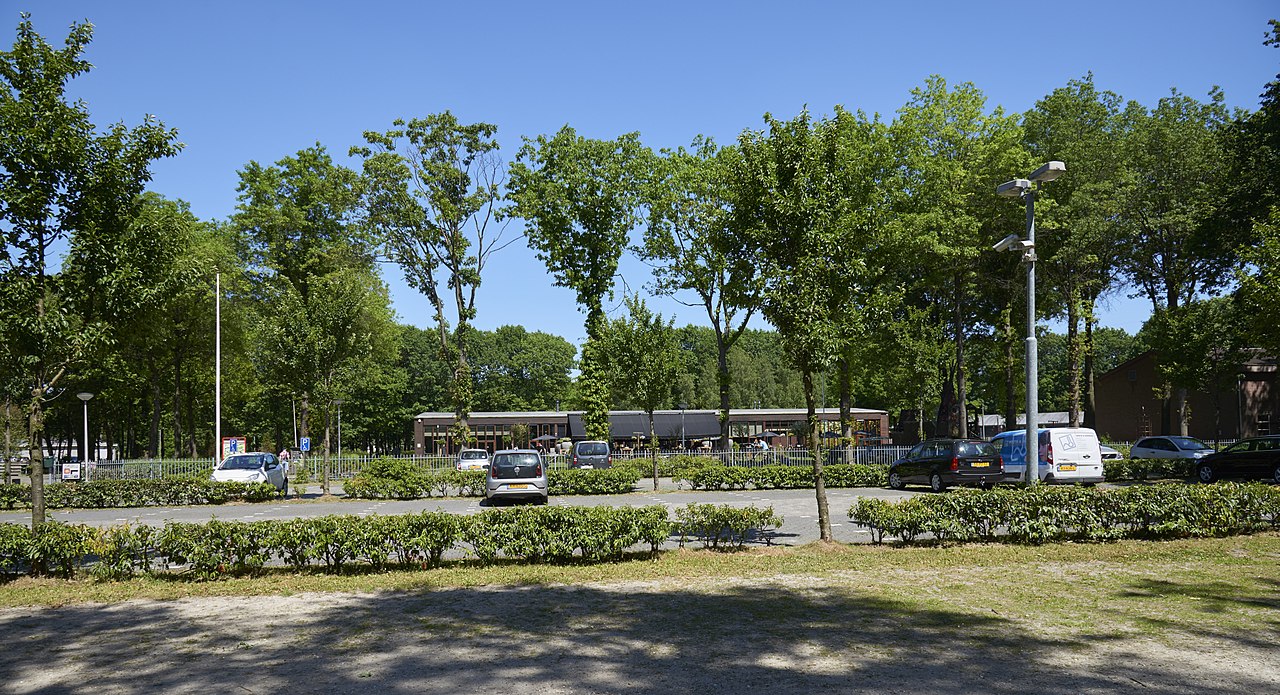


Geography and characteristics
Best sits in a mixed urban and rural landscape with residential neighborhoods, business parks and surrounding agricultural land. Its position near larger urban centers gives residents access to regional services while preserving local village-scale life. The municipality is typical of Dutch local government: a town center with municipal services, schools and recreational facilities serving nearby settlements.
History and development
The settlement that became Best has medieval roots and grew gradually through the modern era. Like many towns in North Brabant, Best experienced industrial and infrastructural development in the 19th and 20th centuries that transformed it from a rural village into a commuter and small-industry location. Postwar growth reflected wider regional economic expansion concentrated around Eindhoven.
Economy and transport
Best's economy combines small and medium enterprises, light industry and logistics, and services supporting the local population. It benefits from proximity to regional transport corridors. Typical connections include:
- Regional rail services linking to nearby cities.
- Road links that provide access to larger motorways and commercial routes.
- Close access to regional airports and business clusters in the Eindhoven area.
Culture, amenities and governance
The town offers cultural and sports facilities, primary and secondary education, and local events that reflect Brabantine traditions. Municipal government handles planning, social services and local infrastructure. Best is sometimes mentioned in regional initiatives for economic cooperation and cultural exchange within North Brabant.
Notable facts include its modest population size, strategic regional position and role as a residential and business link between smaller communities and larger urban cores. Visitors and residents find a balance of local character and convenient access to the wider southern Netherlands transport and employment network.
Author
AlegsaOnline.com Best, Netherlands: overview, history, and local features Leandro Alegsa
URL: https://en.alegsaonline.com/art/135267