
Bessie Coleman: Pioneer Aviator and First Black Woman Pilot
Bessie Coleman (1892–1926) was the first African American woman to earn an international pilot license. She overcame racism and sexism to become a celebrated barnstormer, advocate and inspirational figure in aviation.
Overview
Elizabeth "Bessie" Coleman (January 26, 1892 – April 30, 1926) was a pioneering aviator who became the first African American woman to earn an international pilot license. Facing both racial and gender barriers in the United States, she traveled to Europe to receive flight training and returned to the U.S. as a skilled stunt pilot and speaker who used her platform to promote aviation for women and African Americans.
Image gallery
7 Images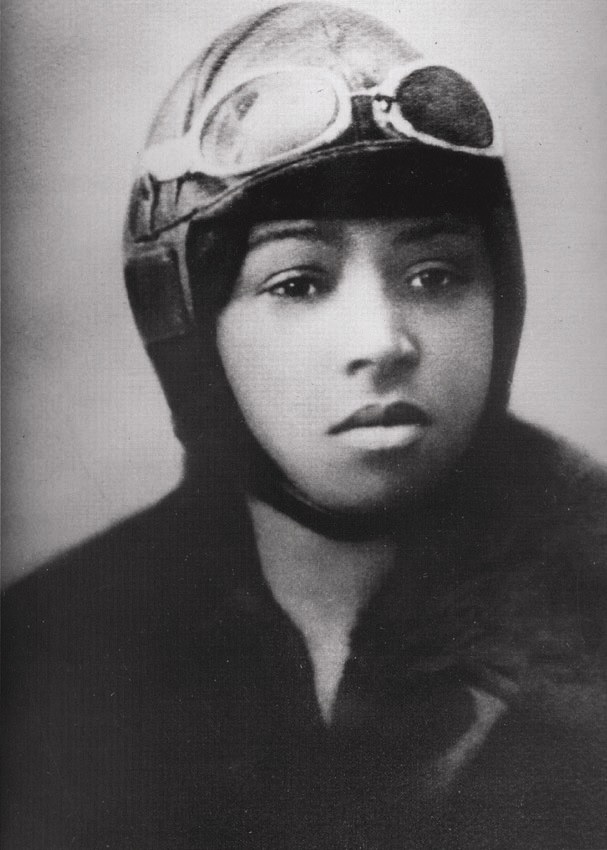


Early life and motivation
Coleman was born in Atlanta, Texas, into a family of sharecroppers and was one of many children. She later moved to Chicago, where she worked as a manicurist to save money for flying lessons. Confronted with segregation and rejection at American flight schools, she learned French and applied to schools in Europe. Her determination reflected a broader desire to break the social limits placed on both Black people and women during the early 20th century.
Aviation career
In 1921 she earned her pilot credentials in France, receiving an international certificate from the Fédération Aéronautique Internationale and becoming widely recognized as the first Black woman to hold such a credential. Her license enabled her to fly professionally. Back in the United States she performed in airshows as a barnstormer, demonstrating aerobatic maneuvers and parachute jumps. Coleman became known for her skill, daring routines, and refusal to participate in segregated events; she insisted on integrated audiences or none at all.
Notable traits and activities
- Skill and showmanship: Coleman performed daring aerial stunts that drew large crowds and press attention.
- Advocacy: She encouraged African Americans and women to pursue aviation and spoke publicly about the need for training opportunities.
- Plans for education: She sought to open a flight school for Black pilots, an ambition cut short by her early death.
Death and legacy
Coleman died in a plane accident on April 30, 1926, during a rehearsal for an aerial show. Her death was widely mourned, but her legacy endured. She is remembered as a trailblazer whose ambition and public presence inspired future generations of aviators, including Black pilots who served in later military and civilian roles. Memorials, scholarships and organizations that honor her name continue to highlight her role in opening aviation to a more diverse range of participants. For further context about her license and training abroad, see resources on early international aviation and pilot certification here.
Bessie Coleman remains a symbol of resistance to discrimination and an important figure in the history of flight, celebrated for both her aerial skill and her quiet determination to expand opportunity for others.
Questions and answers
Q: Who was Bessie Coleman?
A: Bessie Coleman was the first female African American pilot with an international pilot license.
Q: What did Bessie Coleman fight against?
A: Bessie Coleman fought against discrimination to achieve her dream of becoming a pilot.
Q: What was Bessie Coleman’s profession?
A: Bessie Coleman was a skilled barnstormer and aviation educator.
Q: What kind of pilot was Bessie Coleman?
A: Bessie Coleman was the first female African American pilot.
Q: What did Bessie Coleman achieve as a pilot?
A: Bessie Coleman achieved the rare feat of getting an international pilot license.
Q: When was Bessie Coleman born and when did she pass away?
A: Bessie Coleman was born on January 26, 1892, and passed away on April 30, 1926.
Q: What else is notable about Bessie Coleman?
A: Bessie Coleman is a notable figure in women's history because of her pioneering accomplishments in the field of aviation, despite the prevalent racism and sexism of her time.
Author
AlegsaOnline.com Bessie Coleman: Pioneer Aviator and First Black Woman Pilot Leandro Alegsa
URL: https://en.alegsaonline.com/art/135266