
Saim Bülend Ulusu — Turkish admiral and prime minister (1923–2015)
Turkish navy admiral who served as prime minister after the 1980 military coup, leading a technocratic government that oversaw the transition to the 1982 constitution and the return to civilian rule in 1983.
Saim Bülend Ulusu (24 April 1923 – 23 December 2015) was a Turkish naval officer who became a national political figure when he was appointed prime minister in the wake of the 1980 military coup. A career admiral, Ulusu led a non‑partisan, largely technocratic cabinet that governed until civilian rule was restored in late 1983.
Image gallery
1 Image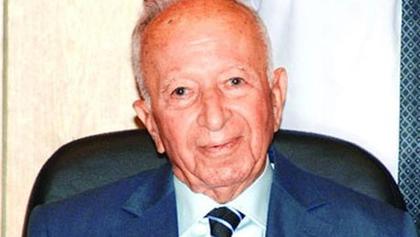
Naval career and rise to public office
Ulusu spent most of his professional life in the Turkish Navy, rising to flag rank before retiring from active service. His background as an admiral made him a credible choice for the military authorities who sought an experienced, non‑political administrator to head the government after the coup. For a brief biographical overview see Bülend Ulusu — admiral profile.
Prime ministership (1980–1983)
Appointed on 21 September 1980, Ulusu led a government formed under the authority of the armed forces. His administration operated under extraordinary conditions established by the military leadership and remained in place while a new constitution was prepared and a controlled transition back to civilian institutions took place. The transition concluded with general elections and a handover of power on 13 December 1983 to an elected government led by Turgut Özal.
Key actions and context
- Governed during a period of martial governance and political restructuring, with stability and security prioritized by the military rulers.
- The era included preparation and approval of a new constitution intended to reshape state institutions and civil‑military relations.
- Ulusu's cabinet was characterized by the appointment of technocrats and managers rather than party politicians.
Ulusu's premiership is often described in connection with the 1980 coup and the subsequent controlled return to electoral politics. He was succeeded by the leader of the winning party in the 1983 elections, Turgut Özal; further information on the political transition is available at Turgut Özal and the 1983 handover and at Prime ministers of Turkey — 1980s.
After leaving office Ulusu kept a low public profile. He lived until December 2015, when he died at the age of 92. Assessments of his time in office tend to focus on his role as a caretaker head of government under military oversight, and on the lasting institutional effects of the constitutional and political changes enacted during that period.
Author
AlegsaOnline.com Saim Bülend Ulusu — Turkish admiral and prime minister (1923–2015) Leandro Alegsa
URL: https://en.alegsaonline.com/art/134863