
Artur Brauner — German film producer and postwar studio pioneer
Polish-born German film producer Artur Brauner (1918–2019) created over 300 films after WWII, founded a major production company, and produced works addressing German history and the Holocaust.
Overview
Artur "Atze" Brauner (born Abraham Brauner; 1 August 1918 – 7 July 2019) was a Polish-born German film producer and entrepreneur who played a central role in West German cinema after World War II. Over a career spanning more than seven decades he was involved in the creation of more than 300 films. Brauner was Jewish; many members of his family were murdered by the Nazis, a fact that shaped both his private life and some of his professional choices in later decades. More on his background.
Image gallery
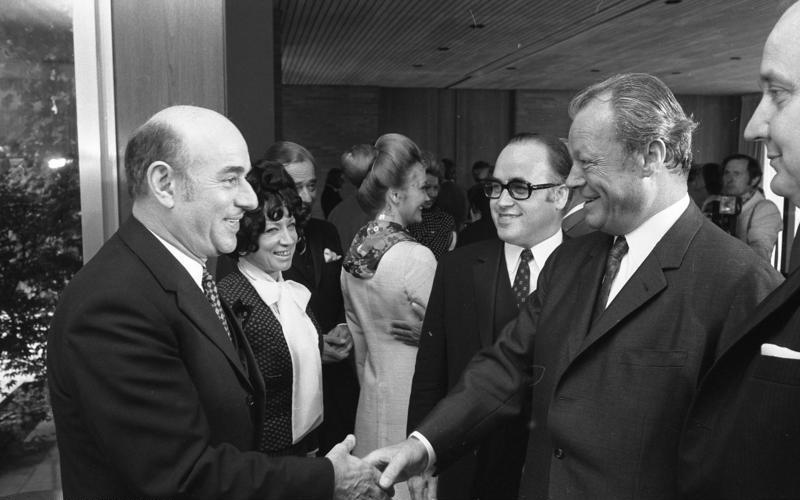
2 Images
Career and production activity
Shortly after the war Brauner began producing films in the business landscape of a divided, rebuilding Germany. He founded a production company that became known for both popular genre pictures and serious historical drama, helping to re-establish a commercial film industry in the western zones. One of his earliest postwar projects was the comedy Sag' die Wahrheit, cited as among the first movies produced in Germany after the conflict. Sag' die Wahrheit is often mentioned in accounts of the period.
Collaborations and genres
Brauner worked with several directors who had roots in the German-speaking film world and in Hollywood exile, recruiting established émigré filmmakers and younger domestic talent alike. He produced films with directors such as Robert Siodmak and later helped finance projects by Fritz Lang, including efforts that revived classic characters like Dr. Mabuse. These collaborations linked postwar German production to prewar traditions and to international styles. Robert Siodmak and Fritz Lang are among the names most frequently associated with his studio's output.
Themes, notable films and reception
Brauner's filmography is wide-ranging: it includes comedies, thrillers, melodramas, literary adaptations and a number of films that confronted Nazi-era crimes and German memory. He produced expressly historical or reflective titles such as Die Weiße Rose, Der 20. Juli (The Plot to Assassinate Hitler) and Mensch und Bestie (Man and Beast), films that examined resistance, culpability and the Holocaust. Not every project met with commercial or critical success — for example, the film Morituri received unfavorable reviews and did poorly at the box office — but his catalogue as a whole demonstrates a persistent engagement with both entertainment and commemoration.
- Die Weiße Rose
- Der 20. Juli (The Plot to Assassinate Hitler)
- Mensch und Bestie (Man and Beast)
- Sag' die Wahrheit
- Morituri
Legacy and later life
Brauner continued to work into old age and maintained an active role in film production and the preservation of cinematic materials. His long career helped restore parts of the German film industry after 1945 and kept difficult historical subjects in public view through dramatized accounts. He received recognition in Germany and abroad for his contributions to cinema and film culture. Brauner died on 7 July 2019 in Berlin at the age of 100.
For further reading about Brauner's life, productions and the contexts in which he worked, see film histories and archives that document postwar German cinema and the careers of émigré filmmakers who returned to or collaborated with the German industry after the war. Biography and context, early postwar titles, collaborations, Lang's later projects, and records from Berlin provide entry points into his life and work.
Author
AlegsaOnline.com Artur Brauner — German film producer and postwar studio pioneer Leandro Alegsa
URL: https://en.alegsaonline.com/art/134676