
Arizona's 3rd congressional district
A U.S. House district in southwestern Arizona, frequently centered on Tucson and nearby communities. It is represented by Raúl Grijalva and rated D+13 by the Cook PVI; boundaries change with redistricting.
Overview: Arizona's 3rd congressional district is one of the state's nine federal House districts and one of 435 in the United States. The seat is held by Representative Raúl Grijalva. The district is rated strongly Democratic with a Cook Partisan Voting Index of D+13. Its precise shape and the communities it contains have changed over time through routine redistricting.
Image gallery
10 Images


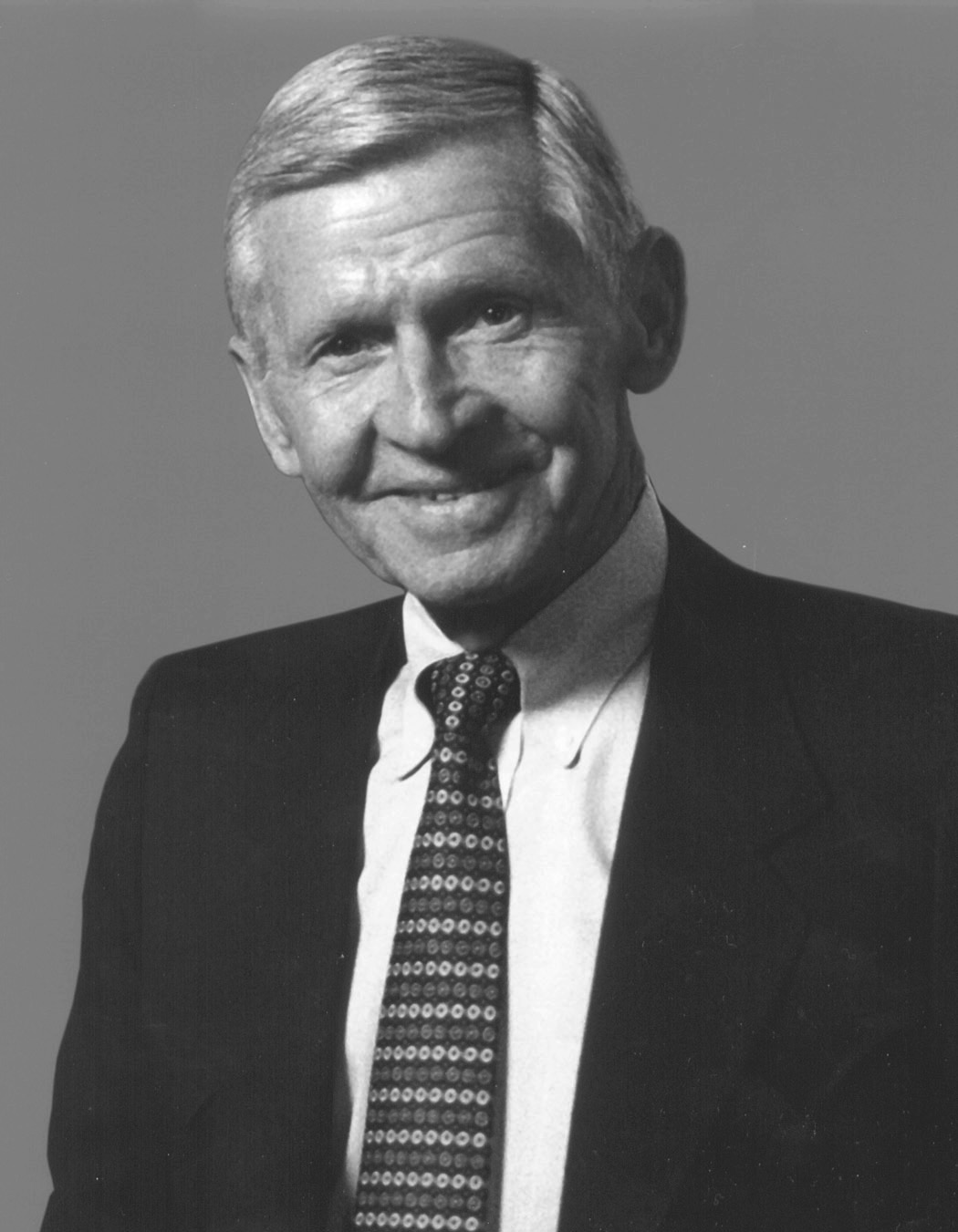

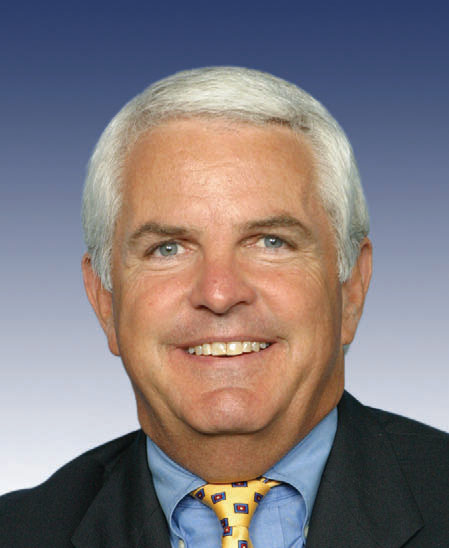
Geography and population
The district is located in southwestern/southern Arizona and has commonly been drawn to include much of the urban and suburban areas of Tucson along with surrounding parts of Pima County. Its population is diverse, with significant Latino/Hispanic communities and a mix of urban neighborhoods, suburban subdivisions, and nearby rural lands. Economic activity in the area combines education, healthcare, local commerce, government, and service industries.
Political profile and issues
With a solid Democratic lean, the district typically supports progressive and moderate Democratic candidates. Local priorities often include public education, healthcare access, water management, public lands and conservation, immigration and border policy, and economic development for urban and nearby rural communities.
History and redistricting
The boundaries of Arizona's 3rd congressional district have been redrawn several times following decennial censuses. Those changes reflect population shifts and legal requirements to balance district populations. For context on Arizona's congressional map and how it is apportioned, see Arizona's nine districts and the wider structure of the 435 congressional districts in the U.S.
Representation and elections
Representative Raúl Grijalva has been the district's most visible occupant in recent decades and has focused on issues such as environmental protection, immigration reform, and social services. Elections in the district tend to favor Democratic candidates by comfortable margins, though local contests may feature varied priorities and active civic participation.
Notable distinctions
- Consistently Democratic-leaning by contemporary measures.
- Includes a mix of urban and nearby rural communities, shaping a varied local agenda.
- Subject to change under each redistricting cycle, which can alter its demographic and political balance.
Author
AlegsaOnline.com Arizona's 3rd congressional district Leandro Alegsa
URL: https://en.alegsaonline.com/art/134625