
Appingedam — historic city in Groningen, the Netherlands
Appingedam is a small historic city in the province of Groningen, Netherlands, known for its medieval centre, canals and distinctive 'hanging kitchens'. It became part of the municipality of Eemsdelta in 2021.
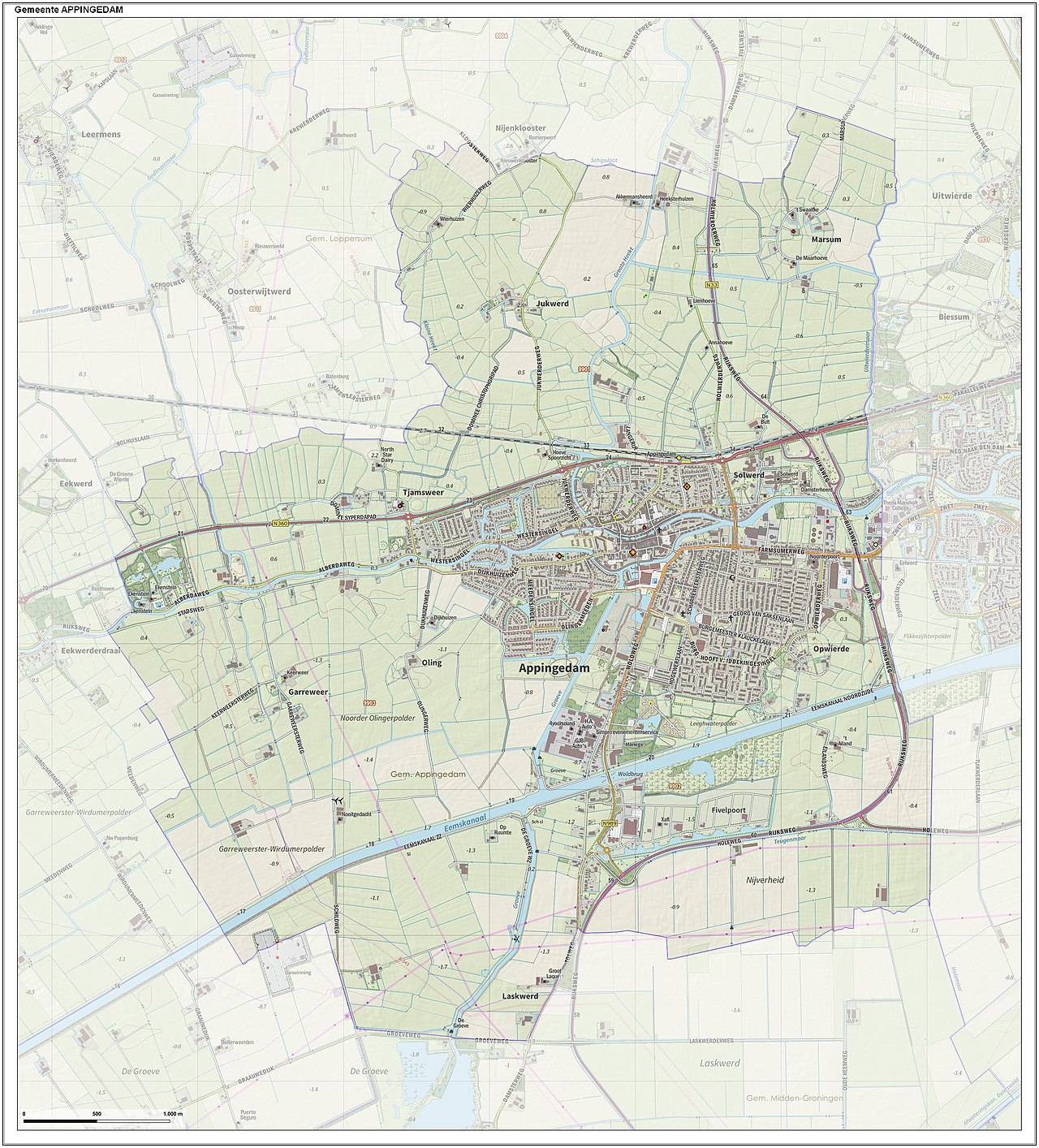
Appingedam is a compact historic city in the north of the Netherlands, situated in the province of Groningen. It was long a separate municipality; in 2019 its population was recorded at about 11,721. Since 2021 Appingedam has been administered as part of the larger municipality of Eemsdelta. The city occupies a strategic position near the Damsterdiep canal and the coastal areas leading to the Wadden Sea.
Image gallery
7 Images




Characteristics and layout
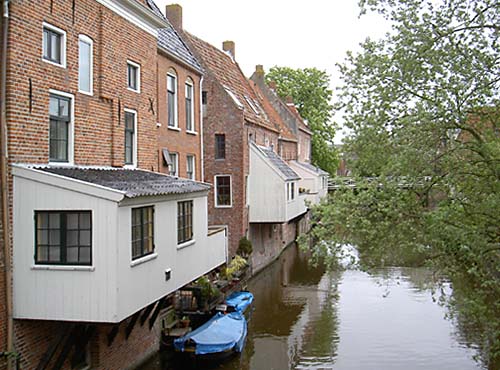
The urban core remains small and walkable, centred on a medieval market area and a narrow waterway that shaped its development. Streets are lined with traditional brick buildings, several church towers and remnants of former defensive works. The most photographed feature is a row of small kitchens and houses that technically "hang" above the canal, a vivid example of historic riverside construction adapted to a tight urban footprint.
History and development
Appingedam developed in the Middle Ages as a local trading and fishing centre served by inland waterways. Over centuries its economy reflected regional patterns: maritime trade, agriculture and local crafts. The town preserved much of its historic street pattern and several older public buildings, which testify to its long-standing municipal role in Groningen province.
Landmarks, culture and economy
Visitors are attracted by the scenic canal, the hanging kitchens, historic churches and compact market square. The local economy combines services, small-scale industry and tourism: guided walks, canal views and regional museums bring seasonal visitors while agriculture and port-related activities influence the surrounding countryside.
Notable facts and administration
- Appingedam retains the ceremonial status of a city despite its modest size.
- Since 2021 it has been governed as part of the Eemsdelta municipality, reflecting administrative consolidation in the region.
- The town is frequently cited as a well-preserved example of a small Dutch canal city, making it of interest to visitors exploring northern Dutch heritage.
Author
AlegsaOnline.com Appingedam — historic city in Groningen, the Netherlands Leandro Alegsa
URL: https://en.alegsaonline.com/art/134571