
Andrew R. Wheeler
American attorney and former lobbyist who served as acting and then confirmed Administrator of the U.S. Environmental Protection Agency (2018–2021); later nominated for a state post in Virginia.
Overview
Andrew R. Wheeler (born December 23, 1964) is an American lawyer and former lobbyist who served as the head of the United States Environmental Protection Agency (EPA) during the Trump administration. He was the agency's Acting Administrator from July 2018 following the resignation of Scott Pruitt and was confirmed by the U.S. Senate as Administrator on February 28, 2019. Prior to his service at the EPA, Wheeler worked in government and the private sector, including as an aide to U.S. Senator Jim Inhofe and in environmental and energy-related consulting.
Image gallery
5 Images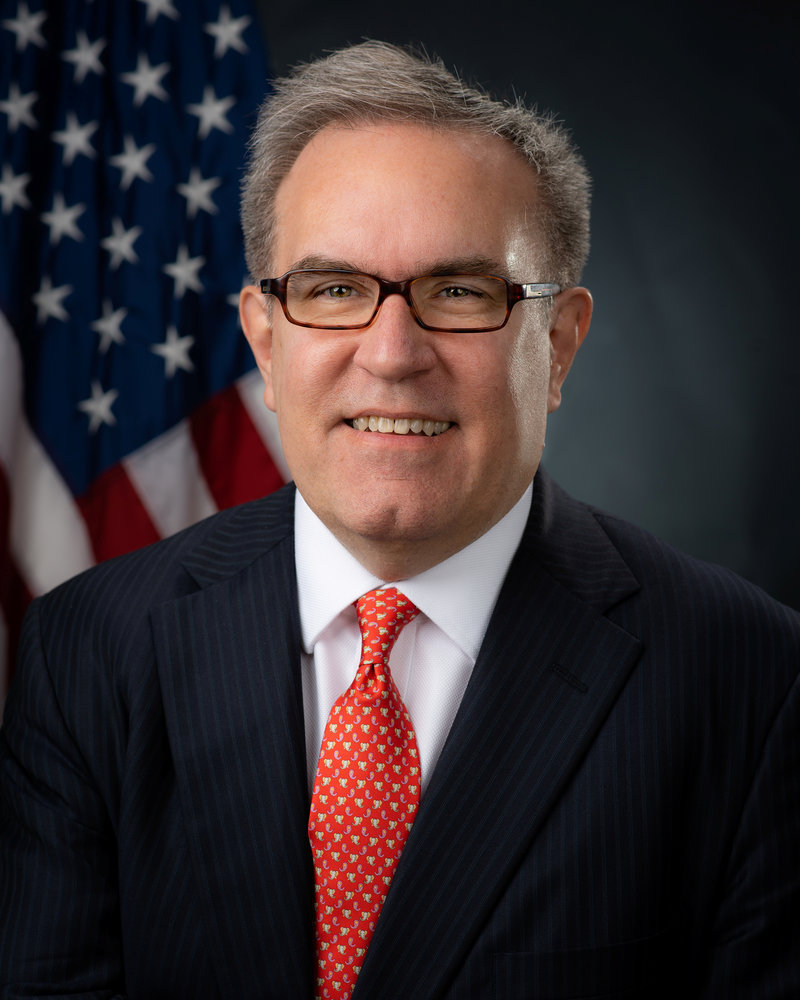



Background and early career
Wheeler trained and worked as an attorney and spent portions of his career in both congressional and private-sector roles. In Washington, he served on the staff of Senator Jim Inhofe, a leading Republican on environmental and energy issues. In other phases of his career he provided legal and lobbying services for clients in the energy and manufacturing sectors. This combination of legal, legislative and industry experience shaped his later policy approach at the EPA.
Roles at the EPA
In October 2017 President Donald Trump nominated Wheeler to be Deputy Administrator of the EPA; after a Senate confirmation he took that post in April 2018. When Administrator Scott Pruitt resigned in July 2018, Wheeler became the agency's Acting Administrator and was later nominated as the permanent Administrator. As EPA chief he oversaw the agency's staff and policy direction through the remainder of the administration, emphasizing regulatory reviews, revisions to air and water rules, and shifts in enforcement priorities.
Policy positions and actions
Wheeler advanced an agenda that prioritized deregulation and economic considerations for regulated industries. Under his leadership, the EPA pursued changes to several regulations adopted during prior administrations and reviewed rules related to air quality, power plant emissions and water protection. He has expressed skepticism about strict limits on greenhouse gas emissions and has been critical of some international approaches to climate policy, positions that drew both support and criticism from different stakeholders. Key themes of his tenure included:
- Streamlining and re-evaluating existing federal environmental regulations.
- Shifting enforcement toward compliance assistance in some cases while maintaining civil enforcement actions in others.
- Promoting energy development and reducing regulatory burdens for industry.
Controversies and public response
Wheeler's background as a former industry lobbyist was a point of contention during his confirmation and tenure. Critics argued that his prior work for energy companies could create conflicts of interest, while supporters said his experience helped the EPA better understand regulated industries. His approach to climate and environmental regulation was opposed by environmental groups and many scientists, who argued that some rollbacks could weaken environmental protections; supporters contended the changes reduced unnecessary regulatory costs.
Later developments and state nomination
After leaving the EPA when the presidential administration changed in January 2021, Wheeler remained active in public affairs. In January 2022 the Governor of Virginia, Glenn Youngkin, announced his intention to nominate Wheeler for a state-level natural resources post. That nomination drew renewed attention to Wheeler's federal record and, after deliberations in the state senate, he did not receive the votes required for confirmation and subsequently stepped away from the nomination process.
Significance and legacy
Wheeler's tenure is often viewed through the lens of the broader federal shift toward regulatory reform during the late 2010s. Supporters cite his emphasis on reducing regulatory burdens and increasing certainty for businesses; critics highlight perceived rollbacks of environmental safeguards and longstanding debates over the proper role of the EPA in addressing climate change. His career illustrates the revolving roles between government service and private-sector advocacy that are common in U.S. policy circles.
For further official information about his time at the agency and related policy actions, see the EPA administrative material and public records associated with his appointment and service (official administrator page). For context on the international scientific assessments often discussed during his tenure, see materials produced by the Intergovernmental Panel on Climate Change (IPCC).
Additional reporting and details on nominations, confirmations and policy changes are available from contemporary news coverage and congressional records (Senate office resources, executive branch announcements, agency press material).
Author
AlegsaOnline.com Andrew R. Wheeler Leandro Alegsa
URL: https://en.alegsaonline.com/art/134486