
Abdul Qadir Bajamal
Yemeni politician who served as Foreign Minister (1998–2001) and Prime Minister (2001–2007). Member of the General People's Congress. Died in 2020 from complications of multiple strokes.
Abdul Qadir Bajamal (عبد القادر باجمال; 18 February 1946 – 7 September 2020) was a Yemeni politician and government official who held senior posts during the late 1990s and 2000s. A longtime member of the General People's Congress party, he is best known for serving as Minister of Foreign Affairs and later as Prime Minister of Yemen. His public career spanned diplomacy, cabinet leadership, and party responsibilities during a period of domestic and regional change.
Image gallery
1 Image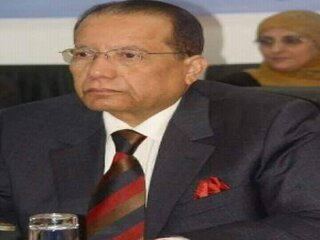
Summary of roles
Bajamal occupied a series of high-level positions in Yemeni government. Notable appointments include:
- Minister of Foreign Affairs (1998–2001), the portfolio responsible for Yemen's external relations and diplomatic representation.
- Prime Minister (31 March 2001 – 7 April 2007), heading the cabinet and overseeing domestic administration and policy coordination.
Political career and significance
As a senior figure within the General People's Congress, Bajamal worked within the political framework of Yemen's unified republic. His term as foreign minister placed him at the center of international engagement, while his years as prime minister involved managing government affairs during the early 21st century. Observers note that his administration took place in a complex environment shaped by economic challenges, security concerns, and evolving regional dynamics.
Later life and death
After leaving the prime ministership in 2007, Bajamal remained a recognized figure in Yemeni politics. He spent periods outside Yemen later in life and received medical care abroad. He died on 7 September 2020 in Dubai, United Arab Emirates, following health problems attributed to multiple strokes. He was 74 years old at the time of his death.
Legacy and context
Bajamal's career illustrates the role of established party leaders and technocrats in Yemen's recent political history. While assessments of any leader vary, he is commonly remembered for his participation in diplomacy and executive government during a transitional era. Studies of Yemen's political development often reference the administrations of that period to understand the country's subsequent challenges and shifts.
Author
AlegsaOnline.com Abdul Qadir Bajamal Leandro Alegsa
URL: https://en.alegsaonline.com/art/134053