
Abdalla Hamdok — Sudanese economist and transitional prime minister
Sudanese economist and political technocrat who served as prime minister during Sudan's 2019–2022 transitional period; detained in the 2021 military coup and later resigned amid political unrest.
Overview
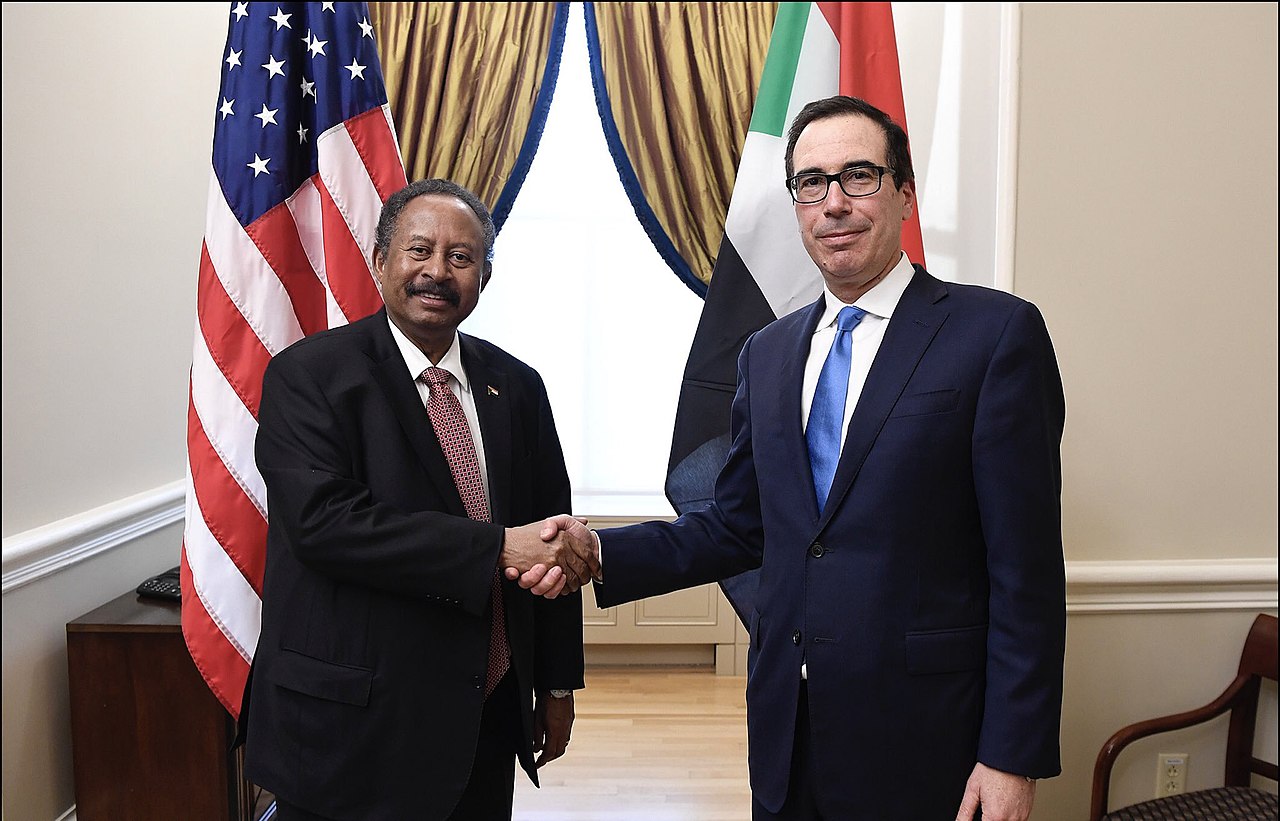
Abdalla Hamdok (born 1 January 1956) is a Sudanese economist and public official who served as the 15th Prime Minister of Sudan during the country’s transitional period following the 2019 uprising that removed long-time President Omar al-Bashir. His name is also rendered in other transliterations; see alternate spelling and the Arabic form عبدالله حمدوك for reference. Hamdok was widely regarded as a technocratic figure chosen to steer economic and institutional reforms while Sudan negotiated its return to international engagement.
Image gallery
2 Images
Background and career
Trained as an economist, Hamdok built a reputation in policy and development circles through work with international economic institutions. He has held senior roles in multilateral organizations and advised governments on public policy, macroeconomic management and development strategy. This international experience shaped his profile as a non-partisan, pragmatic administrator focused on stabilizing Sudan’s economy and attracting foreign assistance.
Premiership and priorities
Appointed on 21 August 2019 as head of a civilian-led cabinet in a fragile power-sharing arrangement, Hamdok’s government faced severe economic strain, shortages, and the need to dismantle the legacy of authoritarian rule. His stated priorities included restoring public services, reining in inflation, pursuing debt relief and re-establishing ties with international financial institutions. The transitional administration also aimed to prepare a path toward civilian democratic rule by implementing agreed reforms and holding future elections.
2021 coup, detention and return
On 25 October 2021 Hamdok was detained by armed forces during a military takeover led by General Abdel Fattah al-Burhan. The action provoked widespread domestic protest and international condemnation. The European Union expressed concern and the United States issued statements continuing to recognise the Hamdok-led cabinet as Sudan's legitimate transitional authority. In November a political agreement secured his release and a short-lived reinstatement on 21 November 2021, but the arrangement met resistance from protest groups and many civilian politicians who argued it legitimised military rule.
Resignation and aftermath
Facing ongoing street demonstrations, a divided political landscape and constraints on governing capacity, Hamdok resigned on 2 January 2022. He said the conditions for implementing the transition to full civilian rule had become untenable. His resignation underscored the depth of Sudan’s political crisis: competing demands from pro-democracy movements, entrenched military actors and a fragile economy made progress difficult.
Significance and legacy
Hamdok is often described as a technocrat who sought to balance reform with stability during a delicate historical moment. Supporters credit him with re-establishing certain international relationships and pursuing economic reforms; critics say the transitional process struggled to protect civilian gains and deliver rapid improvements to daily life. His tenure illustrates the broader challenges of transitions from authoritarian rule where institutional reform, public expectations and military influence collide.
Related topics
- Sudan's 2019 popular uprising and transitional arrangements
- Civil–military relations in Sudan
- Economic reforms and international debt relief efforts
Author
AlegsaOnline.com Abdalla Hamdok — Sudanese economist and transitional prime minister Leandro Alegsa
URL: https://en.alegsaonline.com/art/134048