
Bourg-Saint-Andéol — town in the Ardèche, Rhône Valley
Bourg-Saint-Andéol is a historic town in the Ardèche department of southern France, located in the Rhône Valley. It serves as a local administrative centre and gateway to regional vineyards and river landscapes.
Overview
Bourg-Saint-Andéol is a small French town in the Rhône Valley, located in the department of Ardèche. It functions as the seat of a canton within the arrondissement of Privas and is officially classified as a commune. The town lies near the Rhône River in southern France and historically has served as a local market and administrative centre; censuses in the late 20th century recorded a population close to 8,000.
Image gallery
2 Images
Geography and administration
Bourg-Saint-Andéol occupies a position on the eastern edge of the Ardèche plateau where the land slopes toward the Rhône corridor. Its location places it among the transition zone between river plain and limestone hills, a landscape that supports mixed agriculture and vineyards typical of the Rhône Valley. As a canton capital it hosts municipal services for surrounding villages and small towns.
History and heritage
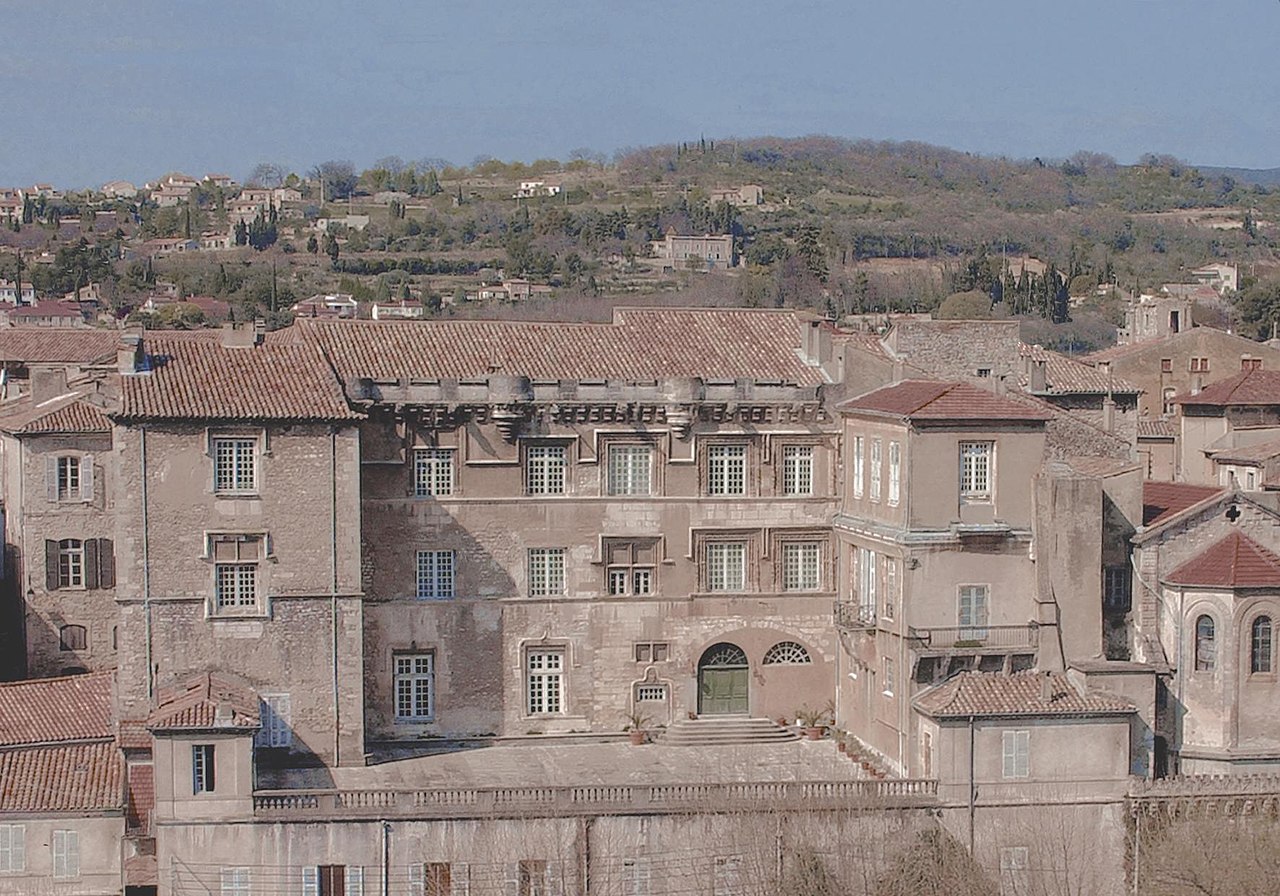
The town's name recalls Saint Andéol, an early Christian figure associated with the region; the settlement grew through medieval times around religious and market functions. The historic centre preserves narrow streets, several churches and civic buildings that reflect successive periods of local architecture. While the site has older roots, much of its visible character dates from the Middle Ages and post‑medieval developments.
Economy, culture and tourism
Local economic activity centres on agriculture, wine production in the Rhône Valley tradition, orchards and commerce that supports nearby rural communities. Bourg-Saint-Andéol hosts regular markets and seasonal festivals that draw visitors from the department. It also serves as a practical base for travellers exploring southern Ardèche attractions such as river gorges, limestone caves and rural heritage sites.
Access and notable facts
- Transport: the town is accessible via regional roads that follow the Rhône corridor and links to larger towns and rail connections in the region.
- Administration: as part of the département structure it plays a modest but important role in local government and services.
- Local life: weekly markets, small museums and preserved historic quarters are among the attractions for visitors and residents.
For practical information on visiting or municipal services consult local resources and tourism guides linked by regional authorities. Further reading and local records are available through departmental archives and municipal contacts.
Related articles
Author
AlegsaOnline.com Bourg-Saint-Andéol — town in the Ardèche, Rhône Valley Leandro Alegsa
URL: https://en.alegsaonline.com/art/13383