
2016 London mayoral election
A summary of the 5 May 2016 contest for Mayor of London, the main candidates, voting system, campaign issues, result and its political significance.
Overview
The 2016 London mayoral election was held on 5 May 2016 to choose the fifth Mayor of London. The incumbent, Boris Johnson, did not stand for re-election; his premiership and record were a backdrop to the campaign and he is often referenced in coverage of the race (Boris Johnson). The contest attracted national attention because of London’s size, diversity and economic role within the UK.
Image gallery
10 Images




Candidates and parties
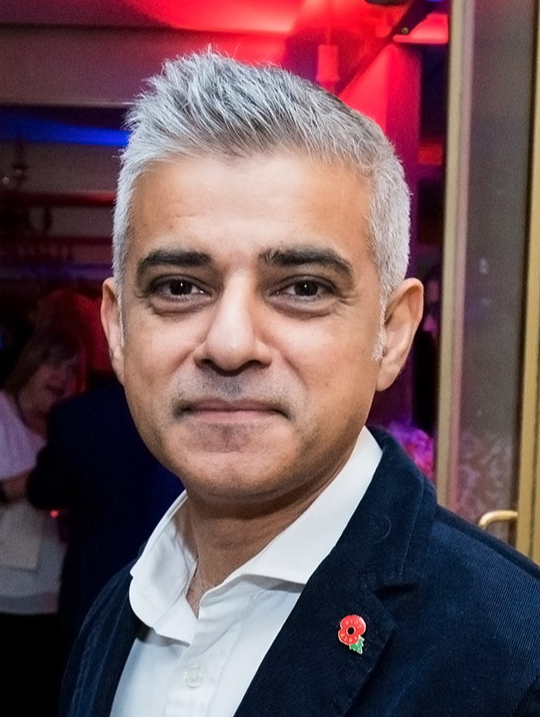
The campaign was dominated by two main candidates: the Labour Party nominee, Sadiq Khan, and the Conservative Party nominee, Zac Goldsmith. Khan, a former human rights lawyer and Member of Parliament, ran on a platform stressing housing affordability, public transport investment and improving air quality. Goldsmith, also a Member of Parliament, emphasised policing, business-friendly policies and environmental concerns.
Voting system and result
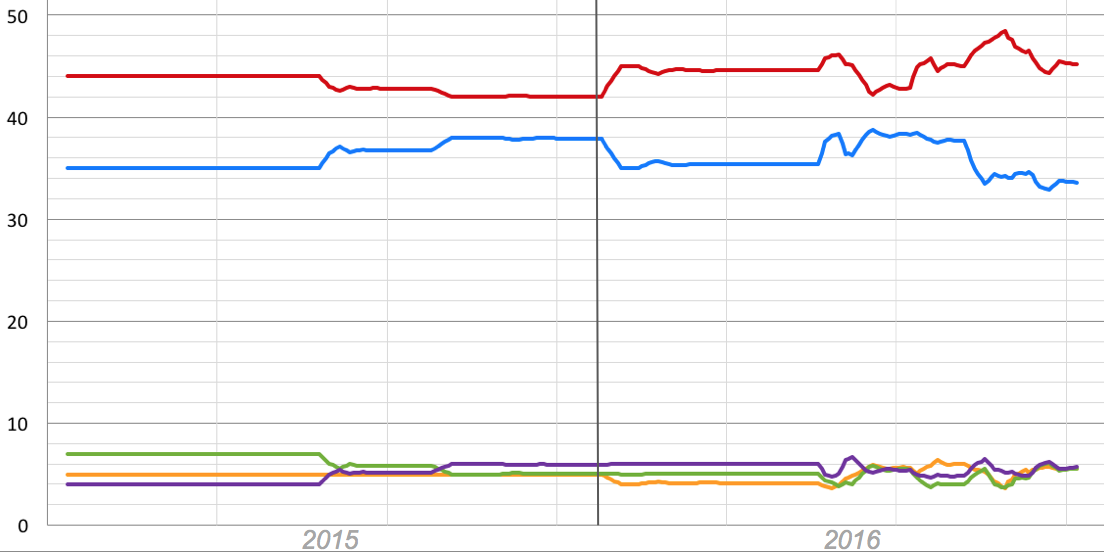
London mayoral elections use the supplementary vote system, in which voters name a first and a second preference; if no candidate has an outright majority of first preferences the second preferences of eliminated candidates are redistributed. After counting first and second preferences, Sadiq Khan was elected mayor. The result made Khan the first Muslim to lead a major Western capital and shifted the office to Labour control.
Main issues and campaign
Key themes during the campaign included the cost and availability of housing, congestion and transport fares, air pollution and policing. Debates and adverts focused on practical proposals for transport and housing, while parts of the campaign provoked controversy over tone and tactics. Observers noted the importance of second-preference voters and the role of smaller parties and independent candidates in shaping the final outcome.
Significance and aftermath
The election was seen as an indicator of urban political trends and of London’s divergence from voting patterns elsewhere in the UK. Khan’s victory influenced national political conversations about cities, integration and public services, and set the agenda for his mayoralty in areas such as affordable housing, air quality and transport investment (Sadiq Khan).
Further context
- It was the fifth contest for the newly created mayoralty, established in 2000.
- The supplementary vote system encourages broader appeal beyond a candidate’s core supporters.
- The mayoral role includes authority over transport, policing budgets, planning and strategic economic initiatives within Greater London.
Questions and answers
Q: When was the 2016 London mayoral election held?
A: The 2016 London mayoral election was held on 5 May 2016.
Q: How many London mayoral elections had been held prior to 2016?
A: Prior to 2016, the London mayoral election had been held four times.
Q: Did Boris Johnson stand for re-election in the 2016 London mayoral election?
A: No, Boris Johnson did not stand for re-election in the 2016 London mayoral election.
Q: Who was the Conservative Party candidate in the 2016 London mayoral election?
A: The Conservative Party candidate in the 2016 London mayoral election was Zac Goldsmith.
Q: Who was the Labour Party candidate in the 2016 London mayoral election?
A: The Labour Party candidate in the 2016 London mayoral election was Sadiq Khan.
Q: Who won the 2016 London mayoral election?
A: Sadiq Khan won the 2016 London mayoral election.
Q: What number London mayor was Sadiq Khan?
A: Sadiq Khan was the fifth London mayor.
Author
AlegsaOnline.com 2016 London mayoral election Leandro Alegsa
URL: https://en.alegsaonline.com/art/133706