
2015 Formula One World Championship
Overview of the 2015 FIA Formula One season: championship outcome, teams and drivers, technical context, season narrative, and its significance in the Mercedes era.
Overview
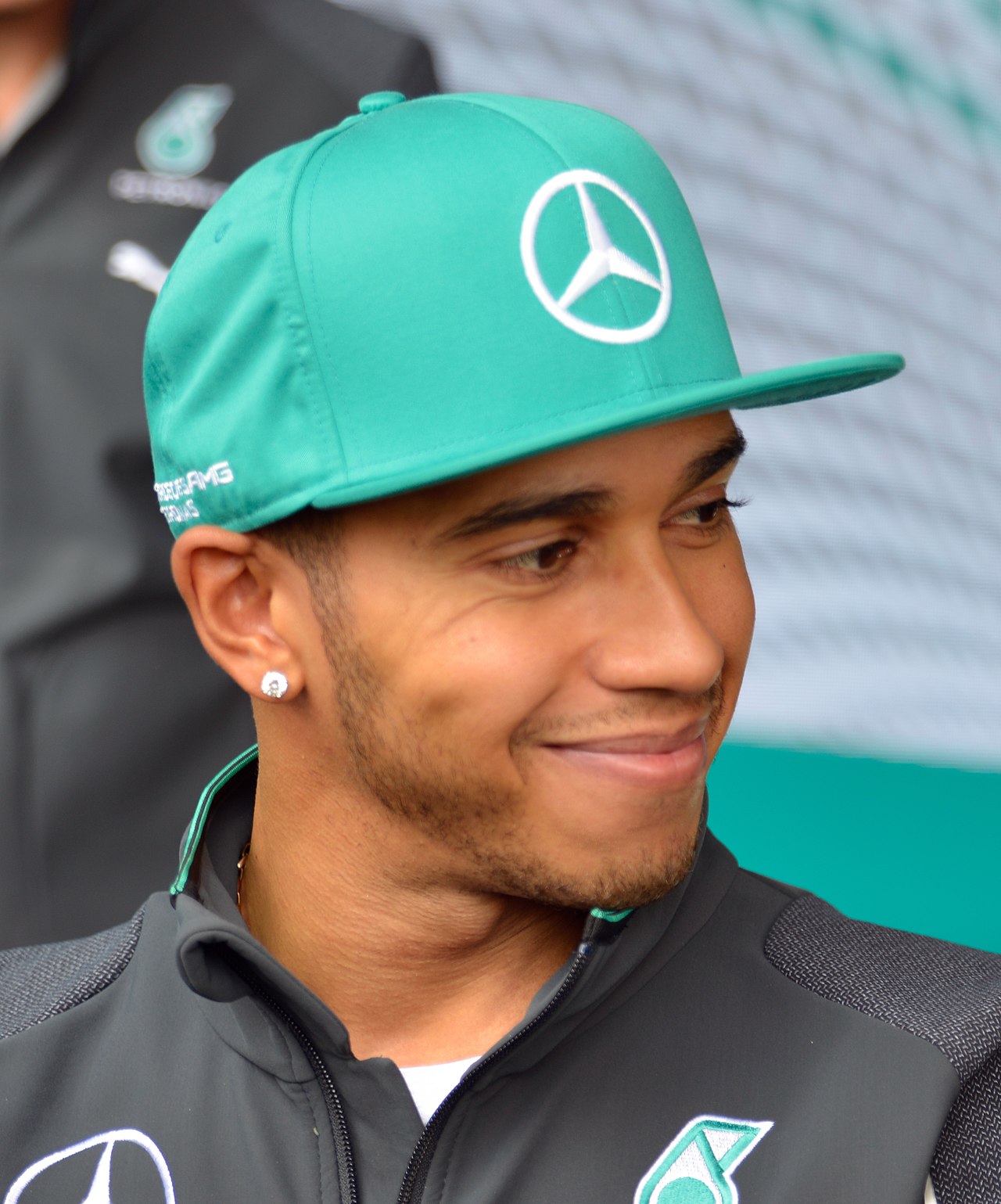
The 2015 Formula One World Championship was a global motor-racing series contested by manufacturer-backed and independent teams. The drivers' title was won by Lewis Hamilton, driving for Mercedes, while Mercedes also secured the constructors' championship. The season continued the technical era defined by turbo-hybrid power units and featured a calendar of grands prix on a range of traditional and modern circuits.
Image gallery
10 Images




Technical and Sporting Context
Regulations in 2015 largely carried forward the turbo-hybrid V6 power unit architecture introduced the previous year. This era emphasized energy recovery systems, fuel efficiency and powertrain integration. Tyres supplied by Pirelli remained a tactical element, influencing strategy and race outcomes. Sporting rules, points allocation and qualifying formats were consistent with the structure used in recent seasons, keeping the emphasis on both reliability and outright performance.
Season narrative and competition
The campaign was characterised by the continued competitiveness of Mercedes and the strong performances of its lead drivers. Lewis Hamilton achieved the most consistent results over the year to claim the drivers' crown. His principal on-track rival within the same stable was his team mate, and other manufacturers such as Ferrari mounted periodic challenges that delivered notable victories and podium finishes.
Teams, drivers and notable facts
- Mercedes: retained a front-running position with both cars frequently fighting for pole positions and wins.
- Ferrari: showed signs of resurgence with competitive pace at several events.
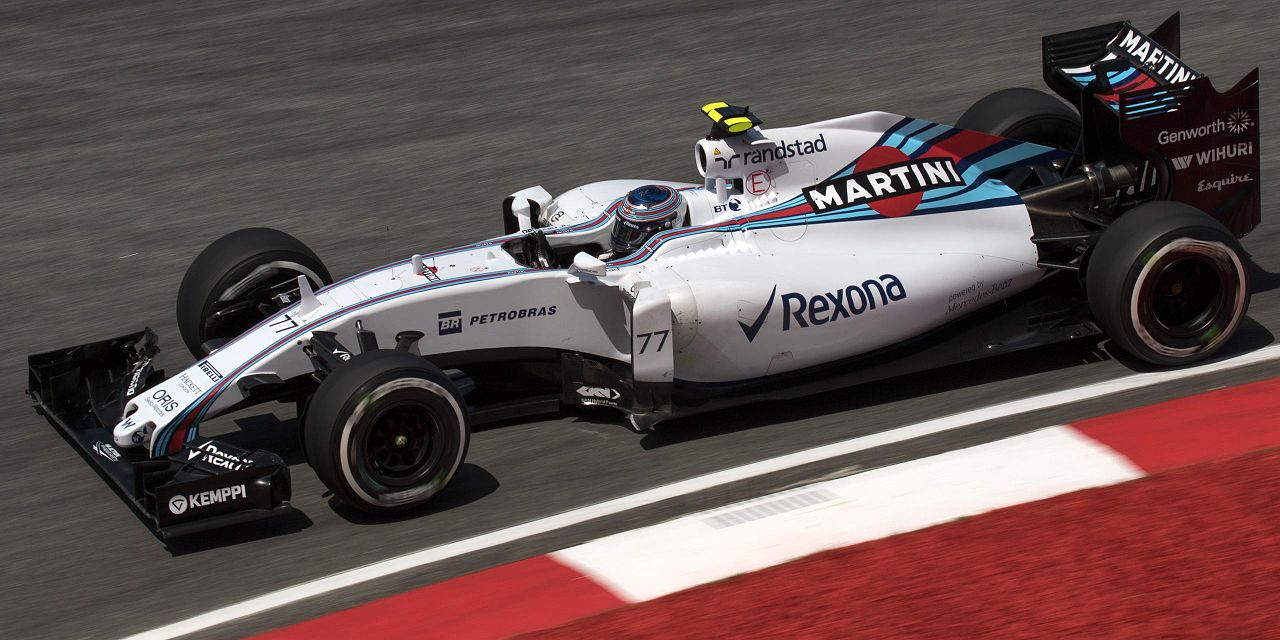
- Other established teams such as Williams and Red Bull continued to feature prominently on the grid.
- The season saw memorable races that highlighted strategy, tyre management and the role of pit stops.
Legacy and significance
The 2015 championship reinforced Mercedes' position during the turbo-hybrid era and underscored Hamilton's status as one of the leading drivers of his generation. The technical emphasis on energy recovery and fuel management shaped car development paths for subsequent seasons. The year is frequently cited as part of a period of manufacturer dominance that influenced team strategies, driver development and fan expectations in modern Formula One.
Further reading
For more detailed race-by-race results, team reports and statistical breakdowns consult official season archives and specialist motorsport analyses. Coverage of rule interpretations, technical briefings and race strategy reviews from that year provide additional context to the on-track performances.
Author
AlegsaOnline.com 2015 Formula One World Championship Leandro Alegsa
URL: https://en.alegsaonline.com/art/133702