
Mercedes GP — Mercedes‑Benz Grand Prix Formula One Team
Overview of Mercedes GP (Mercedes‑Benz Grand Prix), its historical roots, re‑entry as a factory team, key drivers, technical role, and significance in Formula One racing.
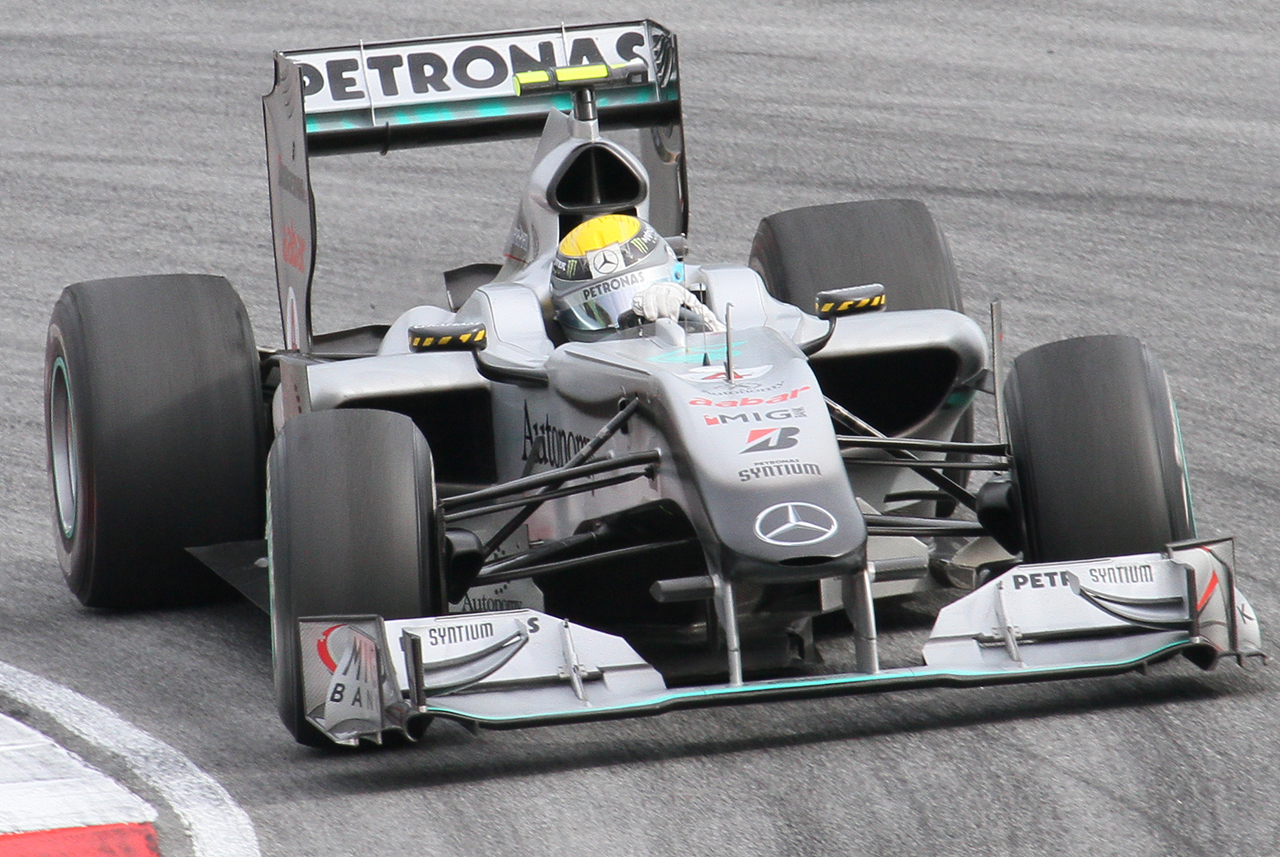
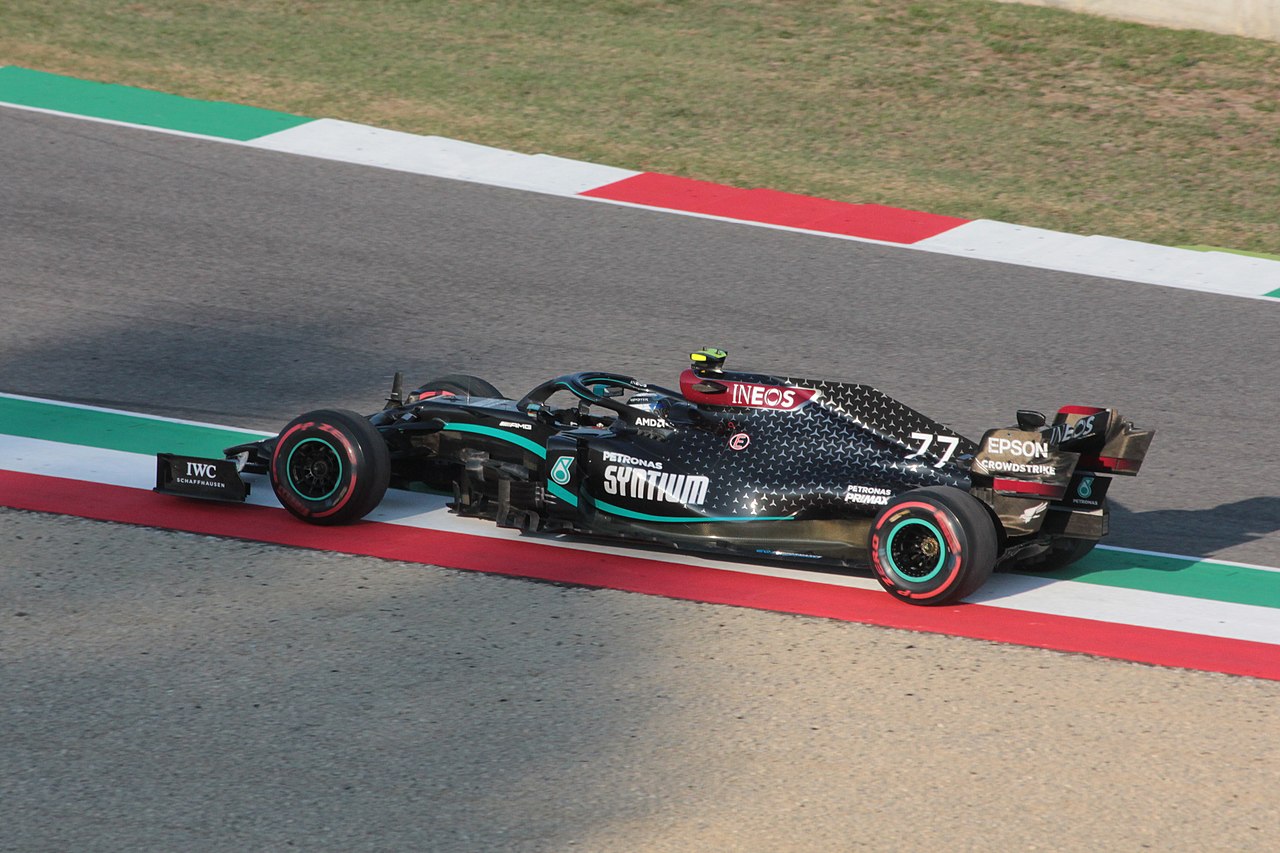
Mercedes GP is the commercial name used by Mercedes‑Benz Grand Prix Limited for the factory Formula One racing team and constructor that represents the Mercedes‑Benz marque. The team traces its heritage to the original Mercedes factory entries of the 1950s and to later periods when the company participated as an engine supplier and commercial partner. As a modern works team, Mercedes GP has combined corporate ownership, technical development and high‑profile drivers to become a major presence in contemporary Formula One.
Image gallery
10 Images


Historical background and re‑entry
Mercedes first entered top‑level Grand Prix competition in the mid‑20th century, competing with factory teams during the 1954 and 1955 seasons with considerable success. The company subsequently withdrew from racing at the end of that period and did not return as an official factory entrant for several decades. During the late 20th and early 21st centuries, Mercedes was active in the sport in other roles, notably providing power units to other teams, including a long partnership with McLaren that developed over many years from about 1995.
Acquisition of Brawn and formation of the modern works team
The contemporary Mercedes GP operation began when Mercedes‑Benz, through parent company Daimler, negotiated to acquire a controlling stake in the championship‑winning Brawn GP squad. The partnership involved Mercedes and financial backers including Brawn GP investors and outside shareholders; the predecessor team had itself been formed from the former Honda Racing F1 outfit. Brawn GP had achieved an exceptional result in the 2009 championship, securing both the drivers' title and the constructors' title in its only season under that name. Following the purchase, the team was rebranded and reorganized as Mercedes‑Benz Grand Prix ahead of its return as a factory team.
Team composition, drivers and testing roles
Early driver lineups in the Mercedes factory era combined established stars and rising talent. The team signed former Williams racer Nico Rosberg and recruited the seven‑time world champion Michael Schumacher for the first season after the takeover. Support roles included test and reserve drivers; for example, Nick Heidfeld served as a development and reserve driver. Heidfeld was released in an arrangement that allowed him to perform dedicated tyre testing for a tyre supplier, specifically on new Pirelli rubber that would be introduced for the 2011 season, before moving to another squad, Sauber, to replace Pedro de la Rosa.
Characteristics and technical focus
As a works constructor, Mercedes GP combined an in‑house chassis program with a manufacturer engine division. The team emphasized aerodynamic development, hybrid powertrain integration and systems engineering typical of contemporary Formula One operations. Its participation as both a constructor and an engine supplier reflects the dual roles Mercedes has played in the sport: building complete cars and providing power units to partner teams.
Notable facts and legacy
- Mercedes has historical roots dating to the 1950s yet re‑established itself as a full factory team only in the 21st century (Mercedes‑Benz).
- The acquisition of a championship‑winning outfit provided an immediate competitive foundation; that team’s success in 2009 was an important catalyst.
- Driver lineups have mixed world champions and experienced Grand Prix racers, illustrating the team’s ambition and resources.
- Collaborations with tyre manufacturers and supply partners, including dedicated Pirelli testing programs, have been part of development cycles.
Mercedes GP’s revival reflects broader trends in Formula One, where manufacturer involvement, technical investment and strategic acquisitions can rapidly change a team’s fortunes. For further context on the people, partnerships and predecessor teams mentioned above, consult contemporary season reports and official team histories via the references and archives linked here: Mercedes‑Benz overview, 1954 debut, 1955 season, McLaren association, engine supply era, Brawn GP acquisition, Honda Racing F1 origin, drivers' championship record, constructors' championship record, 2009 season summary, Williams background, Nico Rosberg profile, Michael Schumacher profile, Nick Heidfeld profile, tyre testing explanation, Pirelli tyre program, 2011 tyre introduction, Sauber team moves, Pedro de la Rosa note.
Statistics in Formula 1
Status: French Grand Prix 2021
| Season | Team name | Chassis | Motor | Tyres | Grand Prix | Victories | Second | Third | Poles | schn. rounds | Points | WM rank |
| 1954 | Daimler-Benz | W 196 | Mercedes-Benz 2.5 L8 | 6 | 4 | 1 | 2 | 4 | 4 | 60,14 | - – | |
| 1955 | Daimler-Benz | W 196 | Mercedes-Benz 2.5 L8 | 6 | 5 | 4 | 1 | 4 | 5 | 79 | - – | |
| 2010 | Mercedes GP Petronas F1 Team | MGP W01 | 19 | - – | - – | 3 | - – | - – | 214 | 4. | ||
| 2011 | Mercedes GP Petronas F1 Team | MGP W02 | Mercedes-Benz 2.4 V8 | 19 | - – | - – | - – | - – | - – | 165 | 4. | |
| 2012 | Mercedes AMG Petronas F1 Team | F1 W03 | Mercedes-Benz 2.4 V8 | 20 | 1 | 1 | 1 | 1 | 3 | 142 | 5. | |
| 2013 | Mercedes AMG Petronas F1 Team | F1 W04 | Mercedes-Benz 2.4 V8 | 19 | 3 | 1 | 5 | 8 | 1 | 360 | 2. | |
| 2014 | Mercedes AMG Petronas F1 Team | F1 W05 Hybrid | Mercedes-Benz 1.6 V6 Turbo | 19 | 16 | 13 | 2 | 18 | 12 | 701 | 1. | |
| 2015 | Mercedes AMG Petronas F1 Team | F1 W06 Hybrid | Mercedes-Benz 1.6 V6 Turbo | 19 | 16 | 13 | 3 | 18 | 13 | 703 | 1. | |
| 2016 | Mercedes AMG Petronas F1 Team | F1 W07 Hybrid | Mercedes-Benz 1.6 V6 Turbo | 21 | 19 | 8 | 6 | 20 | 9 | 765 | 1. | |
| 2017 | Mercedes AMG Petronas Motorsport | F1 W08 EQ Power+ | Mercedes-Benz 1.6 V6 Turbo | 20 | 12 | 10 | 4 | 15 | 9 | 668 | 1. | |
| 2018 | Mercedes AMG Petronas Motorsport | F1 W09 EQ Power+ | Mercedes-Benz 1.6 V6 Turbo | 21 | 11 | 10 | 4 | 13 | 10 | 655 | 1. | |
| 2019 | Mercedes AMG Petronas Motorsport | F1 W10 EQ Power+ | Mercedes-Benz 1.6 V6 Turbo | 21 | 15 | 11 | 6 | 10 | 9 | 739 | 1. | |
| 2020 | Mercedes AMG Petronas Motorsport | F1 W11 EQ Perf. | Mercedes-Benz 1.6 V6 Turbo | 17 | 13 | 7 | 5 | 15 | 9 | 573 | 1. | |
| 2021 | Mercedes AMG Petronas Motorsport | F1 W12 E Perf. | Mercedes-Benz 1.6 V6 Turbo | 7 | 3 | 2 | 3 | 3 | 4 | 178 | 2. | |
| Total | 234 | 118 | 81 | 45 | 129 | 88 | 6002,14 | |||||
- ↑ Comparability between eras limited due to different scoring systems.
- ↑ The Constructors' World Championship was not introduced until 1958.
All Mercedes drivers in Formula 1
Status: French Grand Prix 2021
| Name | Years | Grand Prix | Points | Victories | Second | Third | Poles | schn. rounds | best WM-Pos. |
| United Kingdom | 2013– | 163 | 2984 | 77 | 26 | 18 | 74 | 43 | 1. (2014, 2015, 2017–2020) |
| Germany | 2010–2016 | 136 | 1519 | 23 | 24 | 8 | 30 | 18 | 1. (2016) |
| Finland | 2017– | 86 | 1160 | 9 | 26 | 15 | 17 | 16 | 2. (2019, 2020) |
| Germany | 2010–2012 | 58 | 197 | - – | - – | 1 | - – | 1 | 8. (2011) |
| Argentina | 1954, 1955 | 12 | 81,14 | 8 | 1 | 1 | 7 | 5 | 1. (1954, 1955) |
| Germany | 1954, 1955 | 11 | 17 | - – | 1 | 1 | - – | 1 | 5. (1954) |
| Germany | 1954, 1955 | 6 | 9 | - – | - – | 1 | - – | 1 | 7. (1954) |
| United Kingdom | 1955 | 6 | 23 | 1 | 2 | - – | 1 | 2 | 2. (1955) |
| Italy | 1955 | 2 | 9 | - – | 1 | - – | - – | - – | 6. (1955) |
| Germany | 1954 | 1 | - – | - – | - – | - – | - – | - – | 57. (1954) |
| United Kingdom | 2020 | 1 | 3 | - – | - – | - – | - – | 1 | 18. (2020) |
| France | 1955 | 1 | - – | - – | - – | - – | - – | - – | 60. (1955) |


Current Mercedes drivers are shown in yellow.
- ↑ Comparability between eras limited due to different scoring systems.
- ↑ Fangio got 0.14 for the fastest race lap at the 1954 British GP, as seven drivers were on the same time.
- ↑ Kling, Herrmann and Moss each got one of the three points for fourth place at the 1955 Argentina GP as they shared a chassis.
Formula 1 results
1954–1955
| Season | Chassis | Driver | No. | 1 | 2 | 3 | 4 | 5 | 6 | 7 | 8 | 9 | Points | Rank |
| 1954 | W 196 |
|
|
|
|
|
|
|
|
| ||||
| Argentina | - – | 3 | ||||||||||||
| Germany | - – | 2 | 7 | DNF | DNF | 5 | ||||||||
| Germany | - – | DNF | DNF | 3 | 4 | DNF | ||||||||
| Germany | 9 | DNF | ||||||||||||
| 1955 | W 196 |
|
|
|
|
|
|
| ||||||
| Argentina | - – | DNF | 2 | |||||||||||
| Germany | - – | 4 | DNQ | |||||||||||
| Germany | - – | 4 | DNF | DNF | 3 | DNF | ||||||||
| United Kingdom | - – | 4 | 9 | 2 | 2 | DNF | ||||||||
| France | 10 | DNF | ||||||||||||
| Italy | - – | 4 | 2 | |||||||||||


- ↑ It was not until the 1974 Formula 1 season that there were fixed starting numbers. Before that, the numbers varied between the individual races and practice sessions.
- ↑ The Constructors' World Championship was not introduced until 1958.
- ↑ Starting number 9 in the 1954 German Grand Prix race.
- ↑ Starting number 10 in the 1955 Monaco Grand Prix race.
| Legend | ||
| Color | Abbreviation | Meaning |
| Gold | - – | Victory |
| Silver | - – | 2nd place |
| Bronze | - – | 3rd place |
| Green | - – | Ranking in points |
| Blue | - – | Classified outside the points |
| Purple | DNF | Race not finished (did not finish) |
| NC | not classified | |
| Red | DNQ | nicht qualifiziert (did not qualify) |
| DNPQ | failed in pre-qualification (did not pre-qualify) | |
| Black | DSQ | disqualified (disqualified) |
| White | DNS | nicht am Start (did not start) |
| WD | withdrawn | |
| Light blue | PO | only participated in the training (practiced only) |
| TD | Friday test driver (test driver) | |
| without | DNP | did not participate in the training (did not practice) |
| INJ | injured or sick (injured) | |
| EX | excluded | |
| DNA | nicht erschienen (did not arrive) | |
| C | Race cancelled (cancelled) | |
|
| no participation in World Cup | |
| other | P/bold | |
| SR/italic | ||
| * | not at the finish line, | |
| () | Strike results | |
| underlined | Leader in the overall standings | |
Since 2010
| Season | Chassis | Driver | No. | 1 | 2 | 3 | 4 | 5 | 6 | 7 | 8 | 9 | 10 | 11 | 12 | 13 | 14 | 15 | 16 | 17 | 18 | 19 | 20 | 21 | 22 | 23 | Points | Rank |
| 2010 | MGP W01 |
|
|
|
|
|
|
|
|
|
|
|
|
|
|
|
|
|
|
| 214 | 4. | ||||||
| Germany | 03 | 6 | 10 | DNF | 10 | 4 | 12 | 4 | 11 | 15 | 9 | 9 | 11 | 7 | 9 | 13 | 6 | 4 | 7 | DNF | ||||||||
| Germany | 04 | 5 | 5 | 3 | 3 | 13 | 7 | 5 | 6 | 10 | 3 | 8 | DNF | 6 | 5 | 5 | *17* | DNF | 6 | 4 | ||||||||
| 2011 | MGP W02 |
|
|
|
|
|
|
|
|
|
|
|
|
|
|
|
|
|
|
| 165 | 4. | ||||||
| Germany | 07 | DNF | 9 | 8 | 12 | 6 | DNF | 4 | 17 | 9 | 8 | DNF | 5 | 5 | DNF | 6 | DNF | 5 | 7 | 15 | ||||||||
| Germany | 08 | DNF | 12 | 5 | 5 | 7 | 11 | 11 | 7 | 6 | 7 | 9 | 6 | DNF | 7 | 10 | 8 | 6 | 6 | 7 | ||||||||
| 2012 | F1 W03 |
|
|
|
|
|
|
|
|
|
|
|
|
|
|
|
|
|
|
|
| 142 | 5. | |||||
| Germany | 07 | DNF | 10 | DNF | 10 | DNF | DNF | DNF | 3 | 7 | DNF | 7 | 6 | DNF | 11 | 13 | *22* | 11 | 16 | 7 | ||||||||
| Germany | 08 | 12 | 13 | 5 | 7 | 2 | 6 | 15 | 10 | 10 | 11 | 5 | DNF | DNF | 11 | DNF | 13 | 15 | ||||||||||
| 2013 | F1 W04 |
|
|
|
|
|
|
|
|
|
|
|
|
|
|
|
|
|
|
| 360 | 2. | ||||||
| Germany | 09 | DNF | 4 | DNF | 5 | 1 | 9 | 19* | 4 | 6 | 4 | 7 | 8 | 2 | 3 | 9 | 5 | |||||||||||
| United Kingdom | 10 | 5 | 3 | 5 | 12 | 4 | 3 | 5 | 5 | DNF | 6 | 7 | 4 | 9 | ||||||||||||||
| 2014 | F1 W05Hybrid |
|
|
|
|
|
|
|
|
|
|
|
|
|
|
|
|
|
|
| 701 | 1. | ||||||
| United Kingdom | 44 | DNF | 1 | 2 | DNF | 2 | 3 | DNF | 1 | 1 | ||||||||||||||||||
| Germany | 06 | 2 | 2 | 1 | DNF | 2 | DNF | 2 | 14 | |||||||||||||||||||
| 2015 | F1 W06Hybrid |
|
|
|
|
|
|
|
|
|
|
|
|
|
|
|
|
|
|
| 703 | 1. | ||||||
| United Kingdom | 44 | DNF | 1 | 1 | 2 | |||||||||||||||||||||||
| Germany | 06 | 2 | 2 | 3 | 1 | 2 | 2 | 8 | 17* | 4 | DNF | |||||||||||||||||
| 2016 | F1 W07Hybrid |
|
|
|
|
|
|
|
|
|
|
|
|
|
|
|
|
|
|
|
|
| 765 | 1. | ||||
| United Kingdom | 44 | 7 | 2 | DNF | 5 | 1 | 1 | 3 | DNF | 3 | ||||||||||||||||||
| Germany | 06 | 1 | DNF | 7 | 4 | 1 | 2 | 2 | 2 | 2 | ||||||||||||||||||
| 2017 | F1 W08EQ |
|
|
|
|
|
|
|
|
|
|
|
|
|
|
|
|
|
|
|
| 668 | 1. | |||||
| United Kingdom | 44 | 4 | 7 | 4 | 9 | 4 | 2 | |||||||||||||||||||||
| Finland | 77 | 3 | 6 | 1 | DNF | 4 | 2 | 2 | 2 | 3 | 5 | 2 | 3 | 5 | 5 | 2 | ||||||||||||
| 2018 | F1 W09EQ |
|
|
|
|
|
|
|
|
|
|
|
|
|
|
|
|
|
|
|
|
| 655 | 1. | ||||
| United Kingdom | 44 | 3 | 4 | 1 | 3 | 5 | DNF | 1 | 4 | |||||||||||||||||||
| Finland | 77 | 8 | 2 | 14* | 2 | 5 | 2 | DNF | 4 | 2 | 5 | 4 | 3 | 4 | 2 | 5 | 5 | 5 | ||||||||||
| 2019 | F1 W10EQ |
|
|
|
|
|
|
|
|
|
|
|
|
|
|
|
|
|
|
|
|
| 739 | 1. | ||||
| United Kingdom | 44 | 1 | 1 | 2 | 1 | 5 | 1 | 2 | 4 | 1 | 2 | 7 | ||||||||||||||||
| Finland | 77 | 2 | 3 | 2 | 3 | DNF | 8 | 3 | 2 | 5 | 2 | 1 | 3 | DNF | 4 | |||||||||||||
| 2020 | F1 W11EQ |
|
|
|
|
|
|
|
|
|
|
|
|
|
|
|
|
| 573 | 1. | ||||||||
| United Kingdom | 44 | 4 | 1 | 1 | INJ | 3 | ||||||||||||||||||||||
| Finland | 77 | 2 | 3 | 11 | 2 | 5 | 2 | DNF | 2 | 14 | 8 | 2 | ||||||||||||||||
| United Kingdom | 63 | |||||||||||||||||||||||||||
| 2021 | F1 W12E |
|
|
|
|
|
|
|
|
|
|
|
|
|
|
|
|
|
|
|
|
|
|
| 178 | 2. | ||
| United Kingdom | 44 | 1 | 1 | 15 | 2 | |||||||||||||||||||||||
| Finland | 77 | DNF | 3 | DNF | 12 | 4 | ||||||||||||||||||||||


Customer car at the Indianapolis 500
Between 1947 and 1957, privateers sporadically entered a chassis number 9 Mercedes-Benz W 154, acquired in the post-war turmoil in Czechoslovakia, in the Indianapolis 500 mile race. The pre-war 1938 Silver Arrow was raced at the Brickyard in 1947 and 1948 by team boss Don Lee. The small private team was ultimately overwhelmed with the complex operation of the W 154 and its V12 engine, both technically and in terms of personnel. The car consequently failed in both races for technical reasons. The chassis was used again in 1949 by Joel Thorne, but failed to qualify. The 1949 race was watched by Mercedes race director Alfred Neubauer in order to examine a possible future factory commitment by Mercedes in Indianapolis. However, this was not to come to pass despite the brand's extensive motorsport offensive in the early 1950s.
In 1957, the chassis of the W 154 appeared again at the Indianapolis 500. In the meantime, however, the car was powered by a Jaguar straight-six. The Indianapolis 500 was an official part of the Formula 1 World Championship from 1950 to 1960, so formally it was the only time a Mercedes customer car competed in Formula 1. However, the car was used privately throughout and is therefore to be considered independent of the Mercedes factory entry and does not appear in the statistics of the constructor Mercedes.
| Season | Chassis | Driver | No. | 1 | 2 | 3 | 4 | 5 | 6 | 7 | 8 | Points | Rank |
| 1957 | W 154 |
|
|
|
|
|
|
|
| ||||
| United States | - – | DNQ | |||||||||||
| Legend | ||
| Color | Abbreviation | Meaning |
| Gold | - – | Victory |
| Silver | - – | 2nd place |
| Bronze | - – | 3rd place |
| Green | - – | Ranking in points |
| Blue | - – | Classified outside the points |
| Purple | DNF | Race not finished (did not finish) |
| NC | not classified | |
| Red | DNQ | nicht qualifiziert (did not qualify) |
| DNPQ | failed in pre-qualification (did not pre-qualify) | |
| Black | DSQ | disqualified (disqualified) |
| White | DNS | nicht am Start (did not start) |
| WD | withdrawn | |
| Light blue | PO | only participated in the training (practiced only) |
| TD | Friday test driver (test driver) | |
| without | DNP | did not participate in the training (did not practice) |
| INJ | injured or sick (injured) | |
| EX | excluded | |
| DNA | nicht erschienen (did not arrive) | |
| C | Race cancelled (cancelled) | |
|
| no participation in World Cup | |
| other | P/bold | |
| SR/italic | ||
| * | not at the finish line, | |
| () | Strike results | |
| underlined | Leader in the overall standings | |
Records in Formula 1
| Record | Record value | Season |
| most driver world championships in a row | 2014–2020 | |
| most constructors' world championships in a row | 2014–2020 | |
| most Grand Prix victories of a constructor in one season | 19 | 2016 |
| most double wins of a constructor in one season | 12 | 2015 |
| most pole positions of a constructor in one season | 20 | 2016 |
| Most podium finishes by a constructor in a season | 33 | 2016 |
| most points of a constructor in one season | 765 | 2016 |
| most doubles wins in a row | 2014 | |
| most doubles wins in a row at the beginning of the season | 2019 | |
| highest rate of race wins of all constructors | 50,7 % | 1954–2020 |
| highest rate of double victories of all constructors | 25,6 % | 1954–2020 |
| highest rate of pole positions of all constructors | 55,5 % | 1954–2020 |
| Most GP in a row led at least one round | 39 | 2018–2020 |
| End of season 2020 | ||
- ↑ Shared with Scuderia Ferrari


Awards
In 2015, Mercedes became the first team ever to receive the Lorenzo Bandini Trophy for special achievements in motorsport. The award related to winning the 2014 Drivers' and Constructors' World Championship.
In spring 2018, the Mercedes factory team won the Laureus World Sports Award as Team of the Year for winning its fourth consecutive constructors' title in the 2017 season.
In February 2020, Lewis Hamilton won the Laureus Award for Sportsman of the Year, shared with Lionel Messi, for his achievements in the 2019 season and his six drivers' titles to date. For the first time in history, the title was shared based on equal number of votes. Hamilton won all his titles and races with Mercedes engines. The last time a motorsport athlete was honoured was in 2014 with Sebastian Vettel.
Questions and answers
Q: What is the name of the Formula One racing team and constructor?
A: The Formula One racing team and constructor is Mercedes-Benz Grand Prix Limited, also known as Mercedes GP Petronas Formula One Team.
Q: When did Mercedes-Benz debut in Formula One?
A: Mercedes-Benz debuted in Formula One in 1954.
Q: What happened after the 1955 season?
A: After the 1955 season, Mercedes left the sport.
Q: When did Mercedes return as a factory team?
A: Mercedes returned as a factory team in November 2009.
Q: Who are some of the drivers for this team?
A: Some of the drivers for this team include Nico Rosberg and Michael Schumacher.
Q: Who is Nick Heidfeld?
A: Nick Heidfeld is the test and reserve driver for Mercedes.
Q: What was Nick Heidfeld's role with Sauber?
A:Nick Heidfeld was signed by Sauber to replace Pedro de la Rosa in September 2020.
Related articles
Author
AlegsaOnline.com Mercedes GP — Mercedes‑Benz Grand Prix Formula One Team Leandro Alegsa
URL: https://en.alegsaonline.com/art/63886
Sources
- news.bbc.co.uk : "Mercedes takes over Brawn F1 team"
- autosport.com : "Mercedes takes over Brawn"
- mercedes-gp.com : "Nick Heidfeld signs for Mercedes GP Petronas"
- formula1.com : "Heidfeld becomes official Pirelli test driver"
- stats.cbc.ca : "Nick Heidfeld replaces Pedro de la Rosa at Sauber"
- motorracingblog.nl : "De geschiedenis van Mercedes-Benz in de Grand Prix-racerij"
- news.bbc.co.uk : BBC Sports news article (Retrieved 23 December 2009)
- autosport.com : "Henkel says Mercedes deal is invalid"
- autosport.com : "Henkel settles dispute with Brawn GP"
- brawngp.com : "Mercedes GP signs long-term agreement with PETRONAS"
- ausmotive.com : "Mercedes GP picks up Petronas"
- jamesallenonf1.com : "Mercedes lands €30 million Petronas sponsorship"
- ausmotive.com : "Mercedes GP launches new era for Silver Arrows"
- autosport.com : "Mercedes GP unveils car colours"