
2013 Savar (Rana Plaza) building collapse
On 24 April 2013 the eight‑storey Rana Plaza collapsed in Savar, near Dhaka, killing more than 1,100 people and injuring thousands; it spurred major safety reforms in the garment industry.
Overview
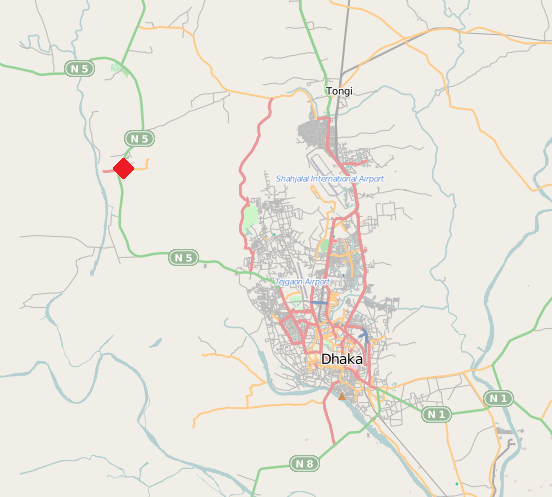
On 24 April 2013 an eight‑storey commercial building known as Rana Plaza collapsed in the suburban area of Savar, near Dhaka, Bangladesh. The disaster struck during the morning rush, when factory workers, shoppers and bank staff were arriving for work. It resulted in the deaths of more than 1,100 people and left thousands injured, making it one of the deadliest industrial accidents in the country's history and a defining moment for global garment supply chains.
Image gallery
8 Images



Building and occupants
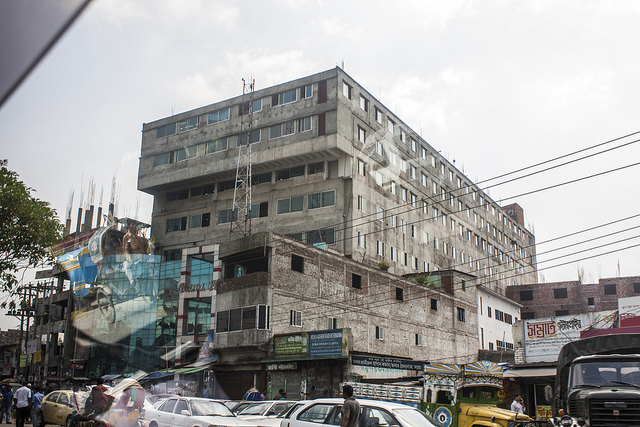
The structure contained multiple garment factories, small shops, and a bank branch. Investigations after the collapse reported that the building had been built with unauthorized additional floors and contained design and construction defects. The ground and lower floors housed heavy industrial equipment and generators, while the upper floors were occupied by sewing and finishing lines employing large numbers of workers.
Immediate events and causes
Cracks were observed in parts of the building the day before the collapse; some shops on lower floors briefly closed and evacuated. Despite visible damage and warnings, many factory owners ordered workers to return the following morning. The collapse has been attributed to a combination of structural failure, substandard construction materials, inadequate enforcement of building codes, and the weight of heavy machinery and added floors.
Casualties and rescue
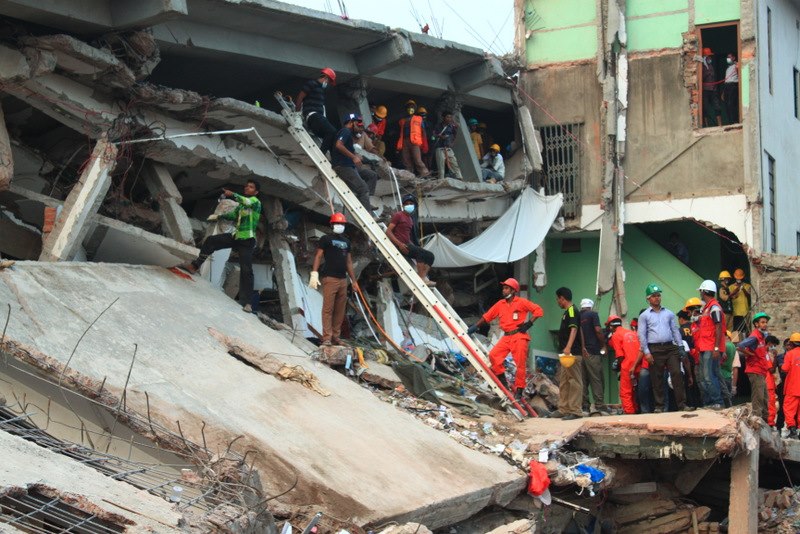
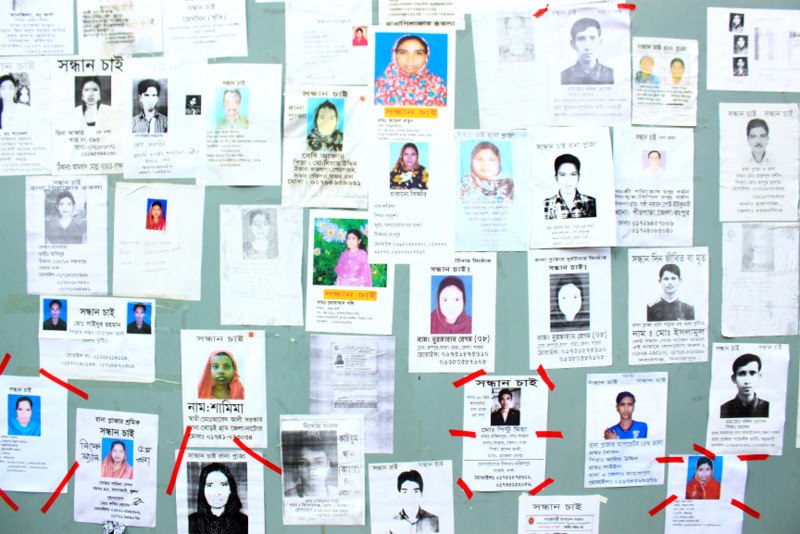
Rescue efforts involved local emergency services, military units, volunteer teams and international assistance. Survivors were pulled from the rubble over several days, and the operation shifted to recovery. The human toll included a large number of women and low‑paid garment workers; many victims were young and from rural areas who had migrated for factory employment.
Aftermath and reforms
- Legal and administrative actions: building owners and others were investigated and faced criminal charges related to negligence and building code violations.
- Compensation and aid: survivors and families received various forms of compensation from government, industry groups and international buyers, though distribution and sufficiency were widely debated.
- Industry changes: the collapse prompted international accords, factory inspections, remediation programs, and greater scrutiny of global supply chains to improve fire safety and structural integrity in garment factories.
Significance and legacy
The Rana Plaza collapse highlighted systemic risks in rapid industrial expansion where regulation and oversight fail to keep pace. It catalyzed a stronger global movement for worker safety, transparency from international brands sourcing garments, and reforms in building safety enforcement in Bangladesh. The event remains a reference point for discussions about ethical sourcing, corporate responsibility and labor rights in manufacturing industries worldwide.
Note: This article summarizes broadly reported facts and the widely recognized impacts of the 2013 Savar building collapse; specific legal outcomes and compensation figures evolved over time.
Author
AlegsaOnline.com 2013 Savar (Rana Plaza) building collapse Leandro Alegsa
URL: https://en.alegsaonline.com/art/133667