
2013 Formula One World Championship
The 64th FIA Formula One World Championship, held over 19 Grands Prix. Sebastian Vettel and Red Bull dominated; final season for the naturally aspirated 2.4 L V8 engines before 2014's hybrid V6 era.
Overview
The 2013 Formula One World Championship was the 64th running of the FIA's highest class of single-seater motor racing. The season featured eleven teams and twenty-two drivers competing across nineteen Grands Prix, beginning in Australia on 17 March and concluding in Brazil on 24 November. The campaign is widely remembered for the commanding form of Sebastian Vettel and the performance of the Red Bull Racing team.
Image gallery
10 Images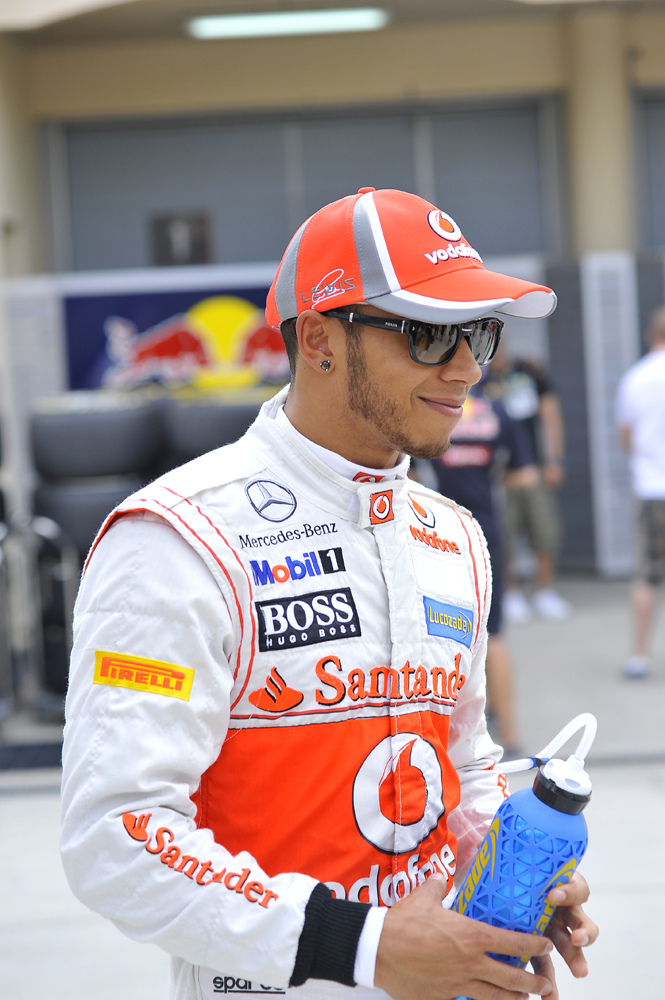


Technical context
2013 marked the final year of the 2.4 litre naturally aspirated V8 engine regulations that had been used since 2006. The cars of this season continued to evolve aerodynamic packages and electronic systems within the same engine formula, but teams were already preparing for the major rule changes that introduced turbocharged hybrid V6 power units in 2014. For more on the power units in use that year, see V8 engines.
Championship narrative
Sebastian Vettel retained the World Drivers' Championship in dominant fashion, extending his place among the era's top drivers. He secured the title well before the final race and contributed heavily to Red Bull Racing's success in the constructors' standings. Vettel's season featured a run of consistent victories and podium finishes that left him with a clear points margin over his rivals. For information about Vettel's career and season, see Sebastian Vettel.
Teams, drivers and notable competitors
Eleven teams contested the season; the grid included established manufacturers and independent constructors. Prominent teams and drivers included:
- Red Bull Racing – led the championship with strong car-and-driver combination.
- Mercedes, Ferrari and McLaren – major rivals who scored regular podiums.
- Drivers such as Fernando Alonso, Lewis Hamilton, Kimi Räikkönen and Jenson Button were among the high-profile competitors that season.
Calendar and legacy
The 2013 calendar consisted of traditional venues and highlighted rounds; the campaign opened in Australia and closed in Brazil. The season is often cited as the close of the V8 era and a high point for Red Bull and Vettel before the sport shifted to new hybrid powertrain regulations the following year. For a full listing of races and dates, consult the 2013 calendar.
Beyond results, 2013 influenced car development philosophies and team preparations for the significant technical changes to come, making it a transitional and historically notable season in modern Formula One.
Questions and answers
Q: What year was the 2013 Formula One season?
A: The 2013 Formula One season was the 64th season of the Formula One World Championship.
Q: How many teams and drivers competed in the 2013 F1 season?
A: Eleven teams and twenty-two drivers competed in nineteen Grands Prix during the 2013 F1 season.
Q: When did the 2013 F1 season begin and end?
A: The 2013 F1 season began in Australia on 17 March and ended in Brazil on 24 November.
Q: What engine setup was used during the 2013 F1 Season?
A: The 2.4 litre V8 engine setup was used during the 2013 F1 Season.
Q: Who was defending World Drivers' Champion at the start of the 2013 F1 Season?
A: Sebastian Vettel was defending World Drivers' Champion at the start of the 2013 F1 Season.
Q: Did Sebastian Vettel retain his title as World Drivers' Champion for a second consecutive year?
A: Yes, Sebastian Vettel retained his title as World Drivers' Champion for a second consecutive year.
Author
AlegsaOnline.com 2013 Formula One World Championship Leandro Alegsa
URL: https://en.alegsaonline.com/art/133666