
V8 engine — design, history, characteristics and uses
An internal combustion engine with eight cylinders arranged in two banks forming a 'V'. Overview of layout, components, evolution, fuels, common applications and distinctions from other engine types.
Overview
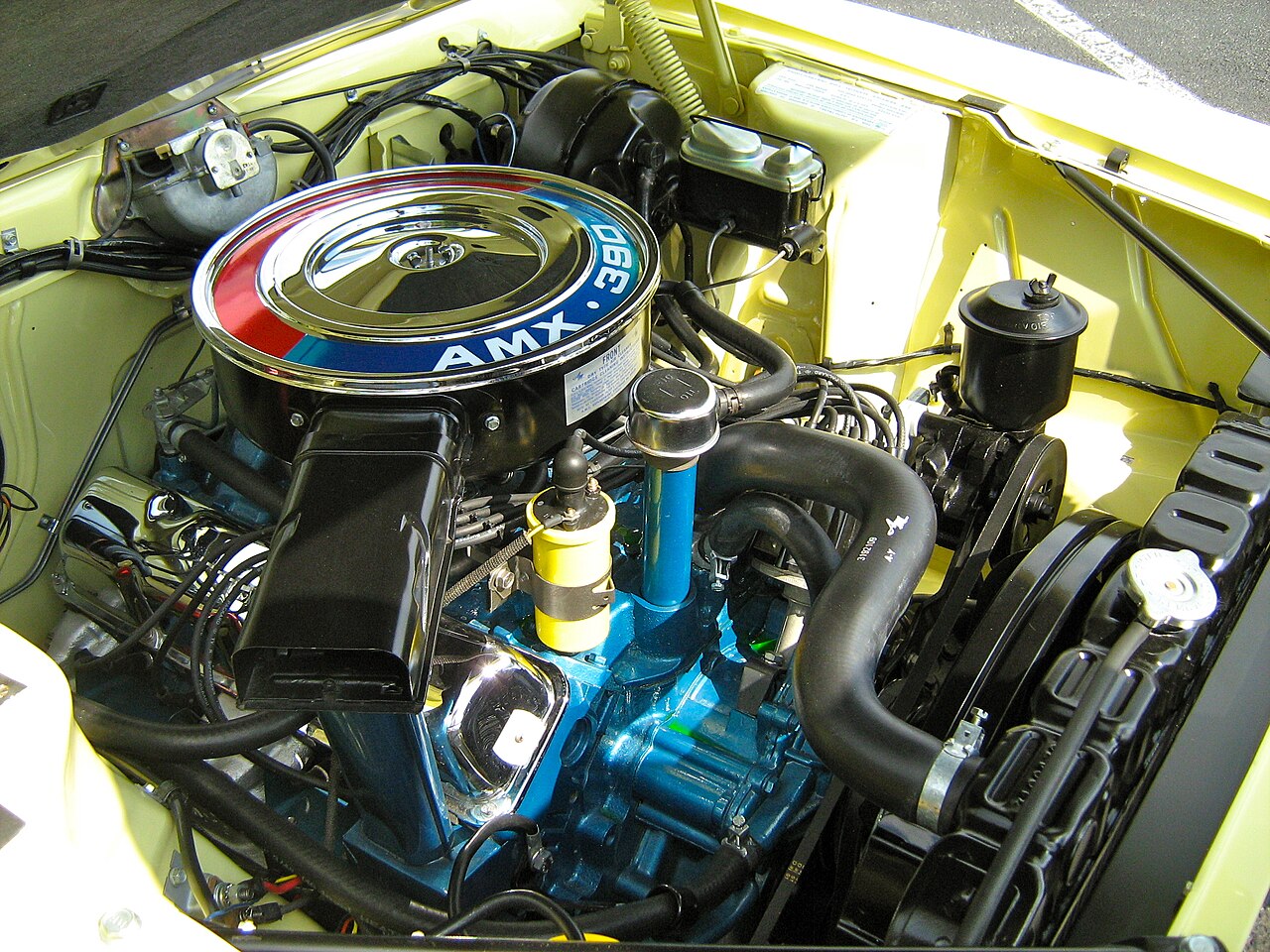
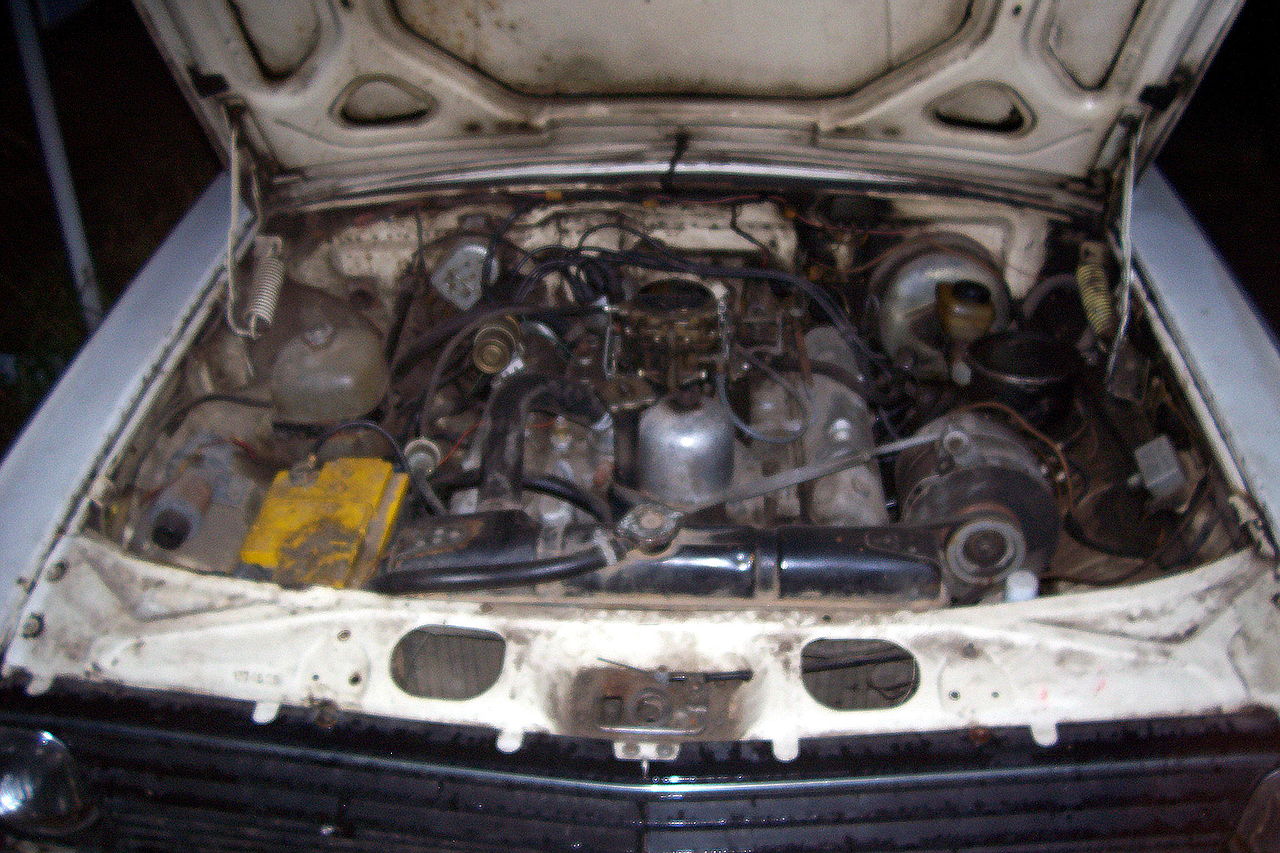
A V8 engine is a type of internal combustion engine in which eight cylinders are arranged in two banks of four set at an angle to form a "V" shape. All pistons work together to turn a single crankshaft, producing the rotational force that drives the vehicle. The V8 layout is widely used in automobiles, trucks, motorsport and some stationary power applications because it balances compact length with the ability to displace a relatively large volume of air and fuel.
Image gallery
10 Images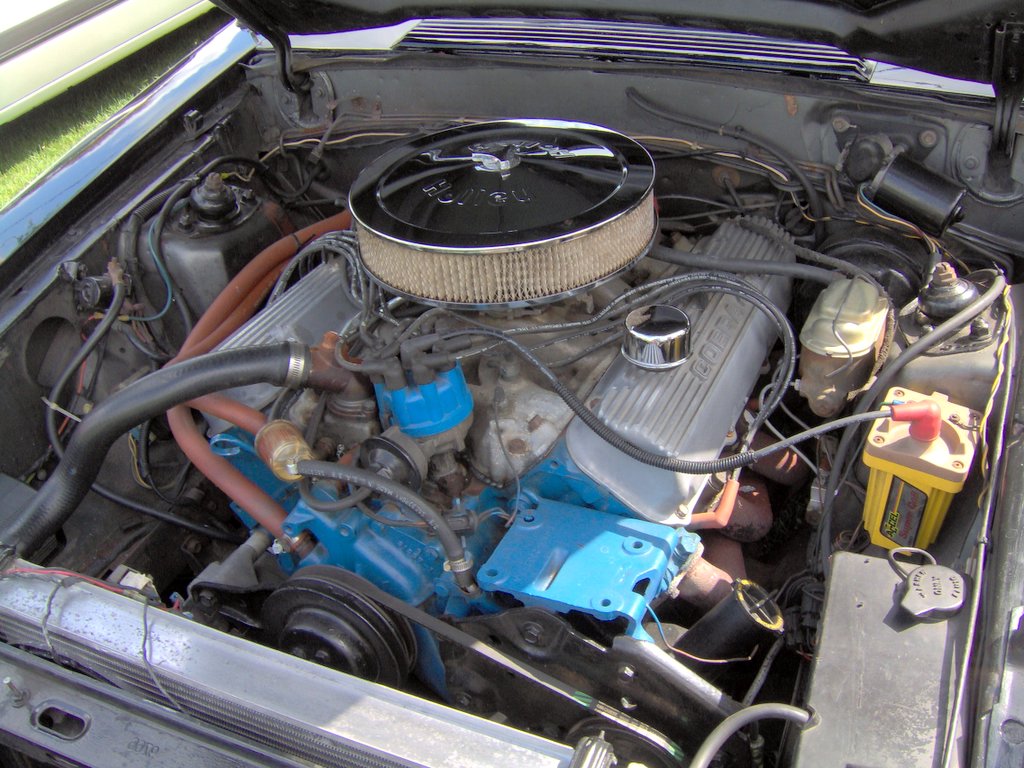




Design and main parts
The basic elements are eight cylinders, each with a piston and connecting rod, combustion chambers, intake and exhaust systems, camshafts and a shared crankshaft. Common components referenced are the pistons and crankshaft, but the full assembly also includes valves, spark plugs (in gasoline engines), fuel injectors and cooling and lubrication systems. Typical V angles are 90 degrees for smoothness, though narrower angles are used in compact designs.
Firing order and balance
V8 engines use particular firing orders and crankshaft types (for example cross-plane or flat-plane) to manage vibration and exhaust characteristics. Cross-plane V8s are common in road cars for their smoother feel, while flat-plane crankshafts are often chosen in high-revving sports and race engines because they can improve responsiveness and exhaust scavenging.
History and development
The V8 concept emerged in the early 20th century as engineers sought more powerful and compact layouts than long inline engines. Over time improvements in metallurgy, fuel delivery and valve control allowed V8s to grow in power and efficiency. They became synonymous with performance and towing capability in many regions and remain a hallmark of high-displacement, high-torque applications.
Fuels and variations
V8s can be adapted to burn different fuels: common variants use gasoline or diesel, and there are versions designed for natural gas or alcohol blends. Fuel type, aspiration (naturally aspirated, turbocharged or supercharged) and tuning determine power output, efficiency and emissions. Some modern designs include cylinder deactivation or hybrid assistance to reduce consumption when full power is not needed.
Uses, advantages and distinctions
- Automotive: favored in performance cars and full-size trucks for high torque and distinctive sound.
- Motorsport: many racing series have used V8s for balance between power and packaging.
- Commercial and marine: diesel V8s are common where compact high torque is required.
Compared with inline-six or V6 layouts, a V8 generally offers greater displacement potential and a characteristic exhaust note, at the cost of extra weight and fuel consumption. Ongoing advances aim to retain the V8's benefits while improving efficiency and emissions control.
Further technical details and sourcing can be explored via introductory references: engine basics, cylinder arrangements like the eight-cylinder layout, components such as pistons and the crankshaft, and common fuel types including gasoline, diesel, natural gas and alcohol.
Questions and answers
Q: What is a V8 engine?
A: A V8 engine is an internal combustion engine with 8 cylinders arranged in two banks forming a "V" shape.
Q: How many cylinders does a V8 engine have?
A: A V8 engine has 8 cylinders.
Q: What is the shape of a V8 engine?
A: The cylinders of a V8 engine are arranged in two banks forming a "V" shape.
Q: How many pistons in a V8 engine turn a common crankshaft?
A: All eight pistons in a V8 engine turn a common crankshaft.
Q: Can a V8 engine run on different types of fuels?
A: Yes, a V8 engine can be powered by different types of fuels including gasoline, diesel, natural gas and alcohol.
Q: Are the two banks in a V8 engine at a right angle to each other?
A: In most engines, the two banks in a V8 engine are at a right angle (90°) to each other, but some engines use a narrower angle.
Q: What are the two sides of a V8 engine called?
A: The two sides of a V8 engine are called banks.
Related articles
Author
AlegsaOnline.com V8 engine — design, history, characteristics and uses Leandro Alegsa
URL: https://en.alegsaonline.com/art/103823