
1991 Bangladesh cyclone
A devastating super cyclonic storm that struck southeastern Bangladesh on 29 April 1991, causing massive loss of life, widespread destruction, and long-term changes in disaster preparedness.
The 1991 Bangladesh cyclone was a powerful tropical system that made landfall near the port city of Chittagong on 29 April 1991. Often described as a super cyclonic storm, it brought extremely high winds, intense rain and a destructive storm surge to low-lying coastal districts of southeastern Bangladesh. The event is remembered as one of the deadliest tropical cyclones of the late 20th century and prompted major changes in regional disaster planning.
Image gallery
6 Images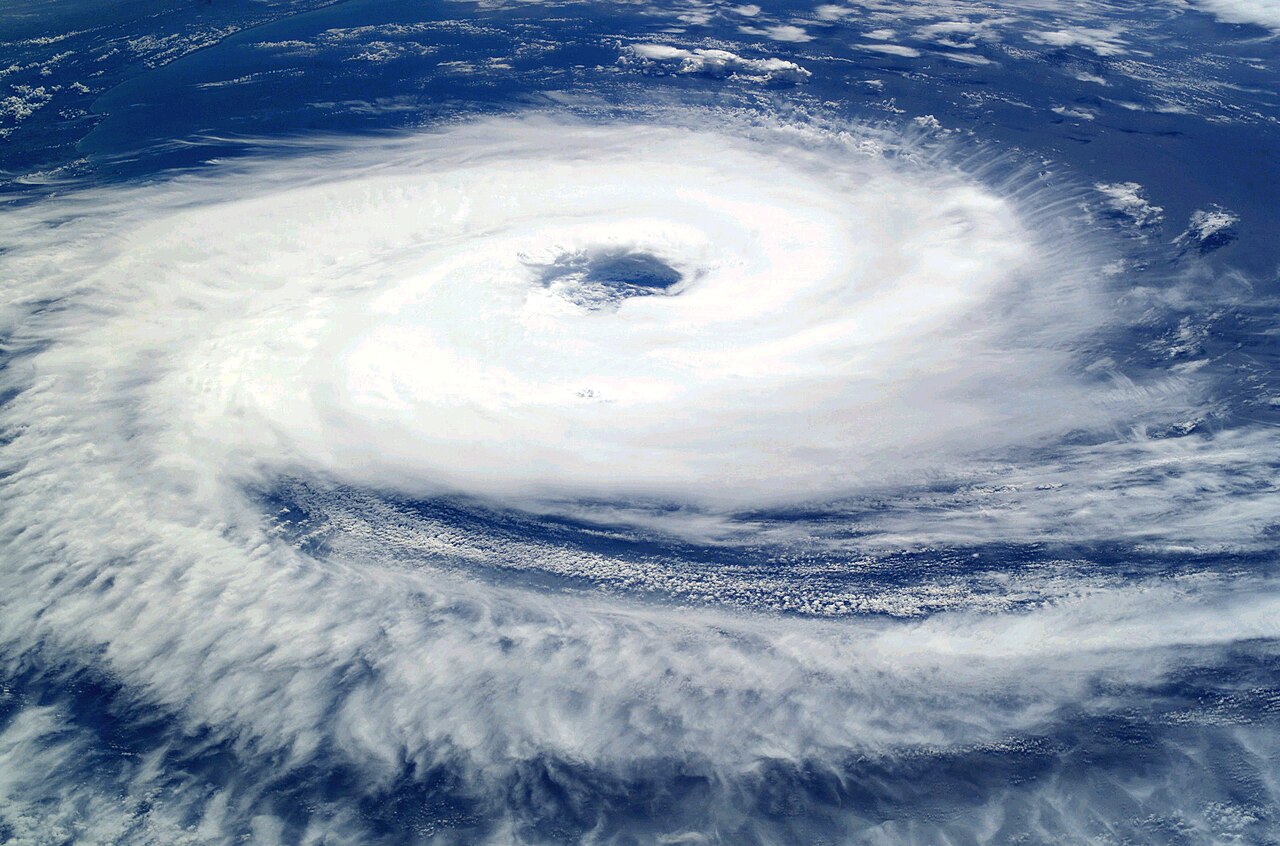


Meteorological characteristics
The cyclone developed over the Bay of Bengal under conditions favorable for rapid intensification: warm sea-surface temperatures, low wind shear and abundant atmospheric moisture. Observations at the time estimated peak sustained winds of roughly 155 mph, placing the storm among the most intense to hit the area in recent history. A large storm surge accompanied the system and inundated coastal islands and deltaic plains, amplifying the human and material toll beyond wind-related damage.
Human and economic impact
The cyclone caused catastrophic loss of life and disruption. Official and contemporary reports put the death toll at well over 100,000 people, with commonly cited figures near 138,000. Millions of people were rendered homeless and widespread destruction affected homes, communications, crops and livestock. Economic losses were estimated in the order of a billion dollars, and the event severely damaged livelihoods in agriculture and fisheries, prolonging recovery for many communities.
Response and legacy
Immediate relief involved national agencies, local volunteers and international aid. The storm exposed vulnerabilities in coastal warning dissemination and shelter availability. In the years after 1991, Bangladesh invested heavily in early warning systems, expanded construction of cyclone shelters and strengthened evacuation procedures. These reforms have been credited with reducing casualties from later storms.
Significance and notable facts
- Considered one of the deadliest tropical cyclones in recent history and a pivotal event for regional disaster policy.
- Highlighted the particular risks faced by low-lying delta regions subjected to storm surge and rapid flooding.
- Prompted international study and improved forecasting; see a detailed report and technical analyses at related resources.
Although precise measurements and some numbers vary among sources, the overall legacy of the 1991 cyclone is clear: it was a human and environmental calamity that reshaped how Bangladesh and its partners prepare for and respond to major coastal storms.
Author
AlegsaOnline.com 1991 Bangladesh cyclone Leandro Alegsa
URL: https://en.alegsaonline.com/art/133574