
1966 Georgia gubernatorial election
A contested race that exposed Democratic divisions in Georgia, produced a rare legislative selection of a governor, and marked a turning point in the state's party politics.
The 1966 Georgia gubernatorial election, held on November 8, 1966, became one of the state's most politically consequential contests of the twentieth century. It is remembered for revealing deep fractures within the Democratic Party in Georgia, for boosting the Republican Party’s competitiveness, and for producing a controversial outcome decided by the state legislature rather than by a clear popular majority.
Image gallery
5 Images


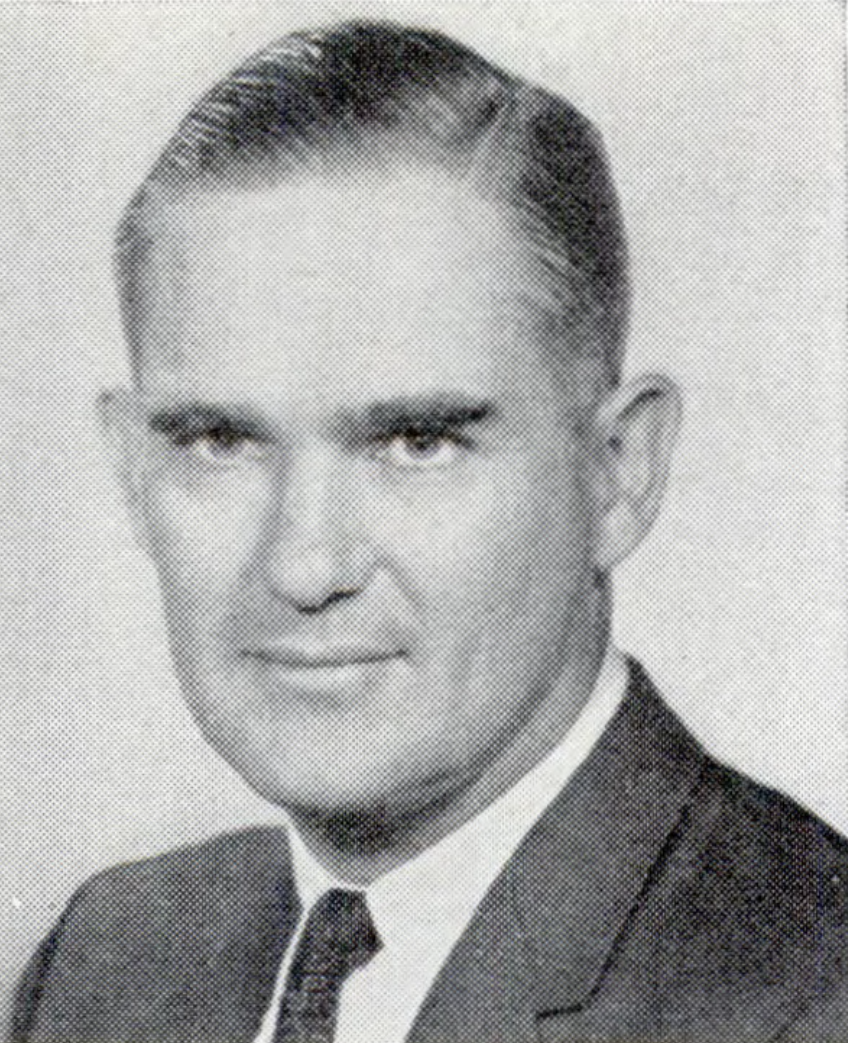
Candidates and immediate outcome
The general election pitted Democrat Lester Maddox — a staunch segregationist and businessman — against Republican Howard "Bo" Callaway, who represented a growing conservative Republican presence in the South. Although Callaway won the largest share of the popular vote, he failed to reach the absolute majority required under Georgia law at that time. The presence of a significant write-in movement and other votes prevented either major-party nominee from obtaining over 50 percent.
Resolution and controversy
Because no candidate achieved a majority, the Georgia General Assembly — then controlled by Democrats — was constitutionally empowered to select the governor from the top two vote-getters. The Democratic legislature chose Lester Maddox, enabling his inauguration despite the Republican plurality in the popular returns. That choice provoked debate about representative will, party control, and the mechanics of majority requirements in state elections.
Political context and significance
The election occurred during a period of major national and regional change: the civil rights movement, the Democratic Party’s national shift on racial policy, and the rise of the modern Republican South. In Georgia the Democratic Party split between segregationist conservatives and more moderate or progressive factions, creating an opening for Republicans. The 1966 contest demonstrated that Republicans could compete statewide, a trend that accelerated in subsequent decades.
Notable consequences and figures
The campaign season also brought wider attention to younger state political leaders who would shape later politics. In particular, the visibility of state legislators and local figures during this period helped raise the profile of future governor and president Jimmy Carter, who was active in state politics in the 1960s. The election remains a reference point in discussions of electoral rules, party realignment, and how legislative selection procedures can affect democratic outcomes.
Key facts
- No candidate received an outright majority of the popular vote.
- The Democratic-controlled legislature selected the governor under the state constitution.
- The result signaled the emergence of a viable Republican presence in Georgia.
Author
AlegsaOnline.com 1966 Georgia gubernatorial election Leandro Alegsa
URL: https://en.alegsaonline.com/art/133529