
1899 San Ciriaco hurricane
A long-lived and destructive August 1899 Atlantic hurricane that struck Puerto Rico, other Caribbean islands and the U.S. East Coast, producing catastrophic loss of life and major agricultural damage.
Overview
The 1899 San Ciriaco hurricane was one of the most prolonged and destructive storms in Atlantic history. Occurring in August 1899, it persisted as a tropical cyclone for roughly four weeks and reached very high sustained winds—estimated near 150 mph at peak strength. The storm caused widespread destruction across parts of the Caribbean and the southeastern United States and is credited with more than 3,400 deaths.
Image gallery
10 Images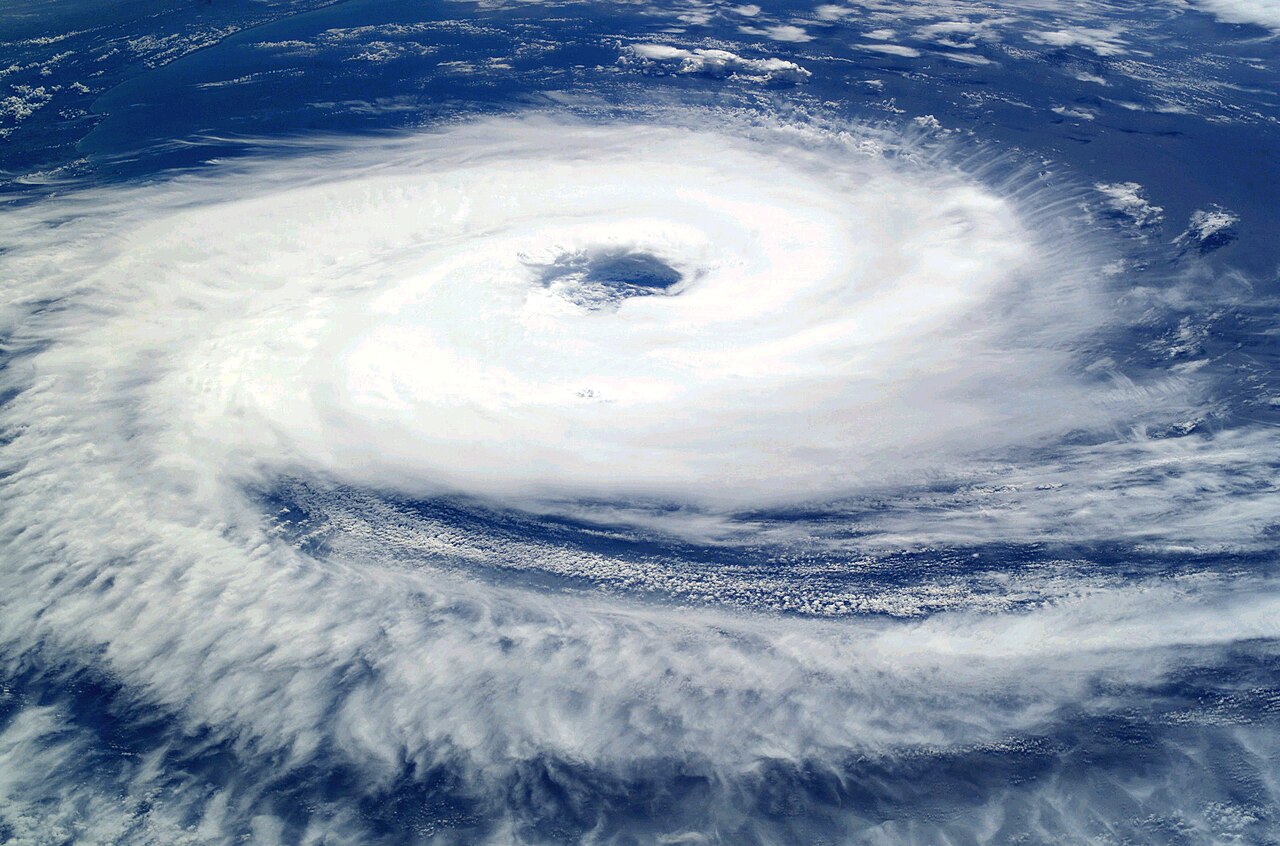



Characteristics and track
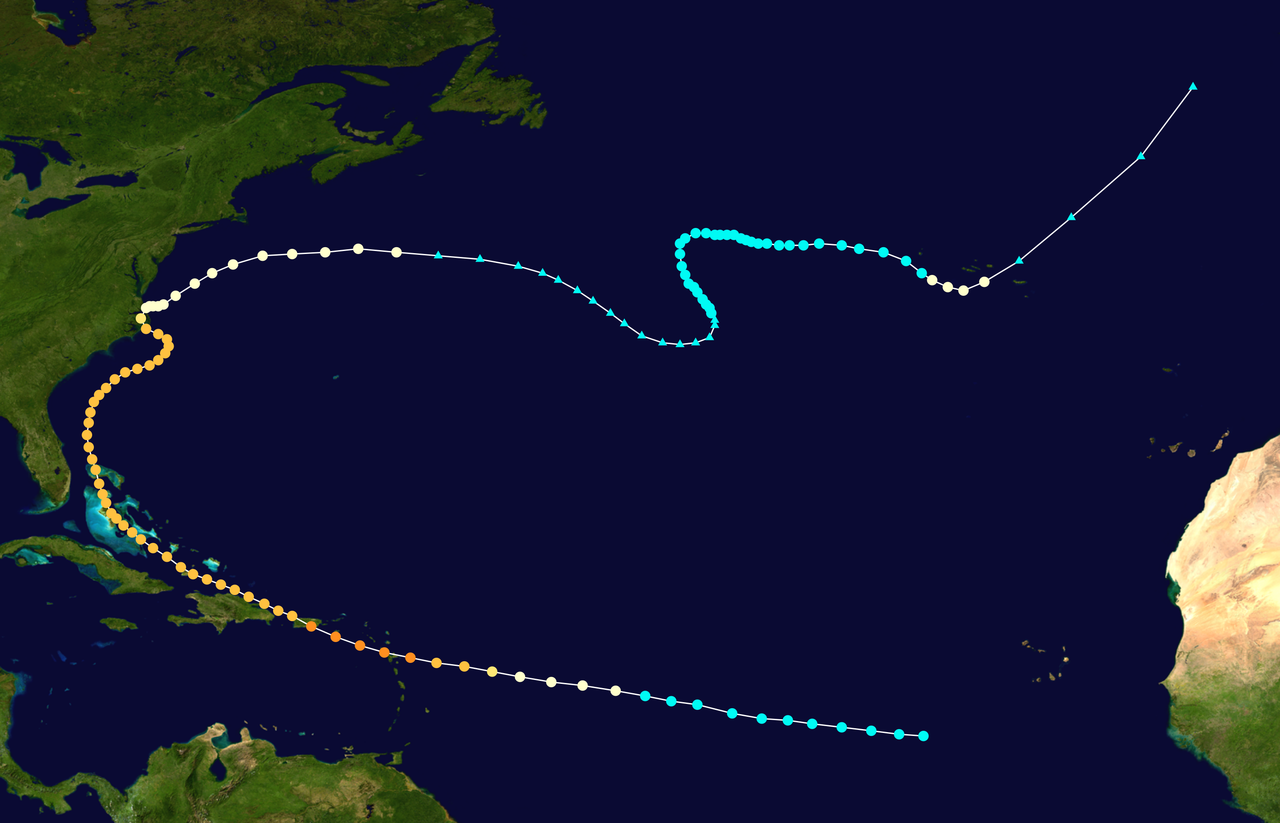
Retrospective analyses classify the storm as a major hurricane at its peak. It formed in the tropical Atlantic, crossed the eastern Caribbean, and inflicted its most severe damage on islands in its path before curving northward along the western Atlantic. The cyclone produced extreme winds, heavy rainfall, and significant storm surge wherever it made landfall or passed nearby.
Impacts and consequences
Puerto Rico suffered catastrophic losses: extensive destruction of homes, infrastructure, and cash crops—particularly coffee and sugar—led to economic hardship and long-term consequences for rural communities. Other islands and coastal areas also experienced severe damage. The storm ultimately affected parts of the United States, including North Carolina, where coastal flooding and wind damage were reported. Overall, the hurricane left thousands dead and many more displaced.
Historical significance
The storm is often called "San Ciriaco" after the local name given in Puerto Rico, where it struck around a saint's feast day and left a strong cultural memory. It remains the longest-lived hurricane on record in the Atlantic basin, an unusual duration that makes it a subject of meteorological study and historical interest. Its scale and human toll influenced later disaster response and the recording of tropical cyclone impacts.
Notable facts
- Estimated peak winds of about 150 mph, equivalent to a high-end major hurricane by modern scales.
- Sustained as a tropical cyclone for approximately 28 days, a record for the Atlantic.
- Produced long-term economic effects in the Caribbean, especially on agriculture and migration patterns.
For further reading on regional impacts and historical context, see sources that focus on Caribbean hurricane history and U.S. coastal storms, and consult archival material for contemporary accounts of the 1899 season. Many regional histories and meteorological reviews document the storm's path and lasting effects across the Caribbean.
Author
AlegsaOnline.com 1899 San Ciriaco hurricane Leandro Alegsa
URL: https://en.alegsaonline.com/art/133506