
Zvonimir Boban
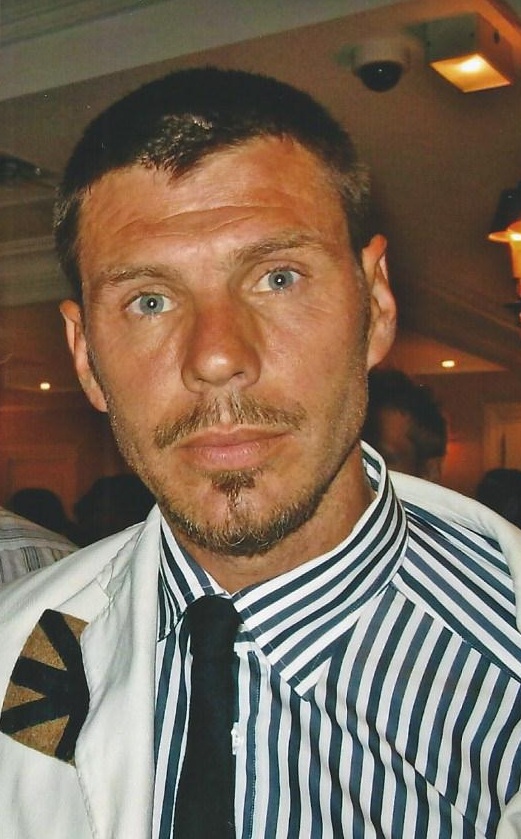
Zvonimir Boban (born 8 October 1968) is a retired Croatian footballer and later football administrator, best known as an influential attacking midfielder and captain of Croatia in the 1990s.
Overview
Zvonimir Boban, born 8 October 1968, is a retired professional footballer from Croatia. During his playing career he was widely regarded as a creative attacking midfielder with leadership qualities. He represented teams at both club and international level and later moved into football administration and development.
Image gallery
5 Images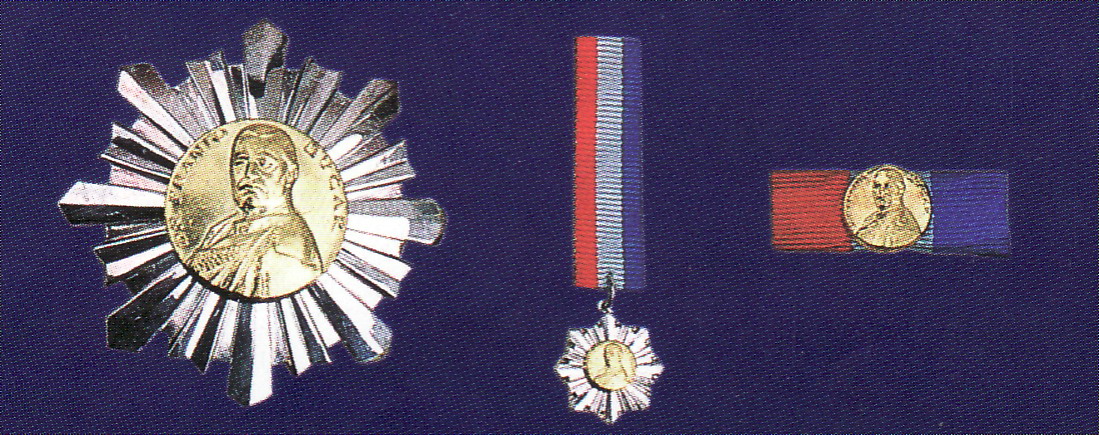



Club career and clubs
Boban came through domestic youth ranks and established himself in senior club football before moving to one of Europe's top leagues. He spent the most prominent part of his club career with AC Milan in Italy, where he played at a high level in Serie A. His club trajectory included spells both in his homeland and in Italian football, giving him experience in different tactical environments.
- Early development and domestic breakthrough
- Major years in Italy with AC Milan and other Italian clubs
- Return to Croatian football and winding down of playing career
International career
Boban played for the Yugoslavia national team early in his career and later became a key figure and captain for the newly independent Croatia national team. He was a member of Croatia's squad that achieved a high finish at the 1998 FIFA World Cup, a result that helped establish Croatia as a strong footballing nation on the world stage. His international tenure combined creative playmaking with on-field leadership.
Style, reputation and notable events
Known for vision, passing and timing of runs from midfield, Boban combined technical skill with a combative attitude. He became widely recognized for a politically charged incident in 1990 during a match in Zagreb; his action that day became symbolic for many Croatian supporters and affected his early career. Throughout the 1990s he was admired for his professionalism and influence in midfield.
Later roles and legacy
After retiring from playing, Boban remained involved in football in managerial and administrative capacities, contributing to football development and governance. He has been associated with national and international football organizations in advisory and executive roles, applying his on-field experience to wider sporting administration. His legacy is that of a leading Croatian player of his era and a public figure in football circles.
For more detailed career records and statistics consult contemporary profiles and official federation pages such as the early national team entries for Yugoslavia national team and later Croatian sources. Further reading and archived match reports can be found through biographical and sporting databases dedicated to football.
Author
AlegsaOnline.com Zvonimir Boban Leandro Alegsa
URL: https://en.alegsaonline.com/art/133351